

 News
News  Coin Information
  About us
  Customer Service


 Add as a preferred source on Google
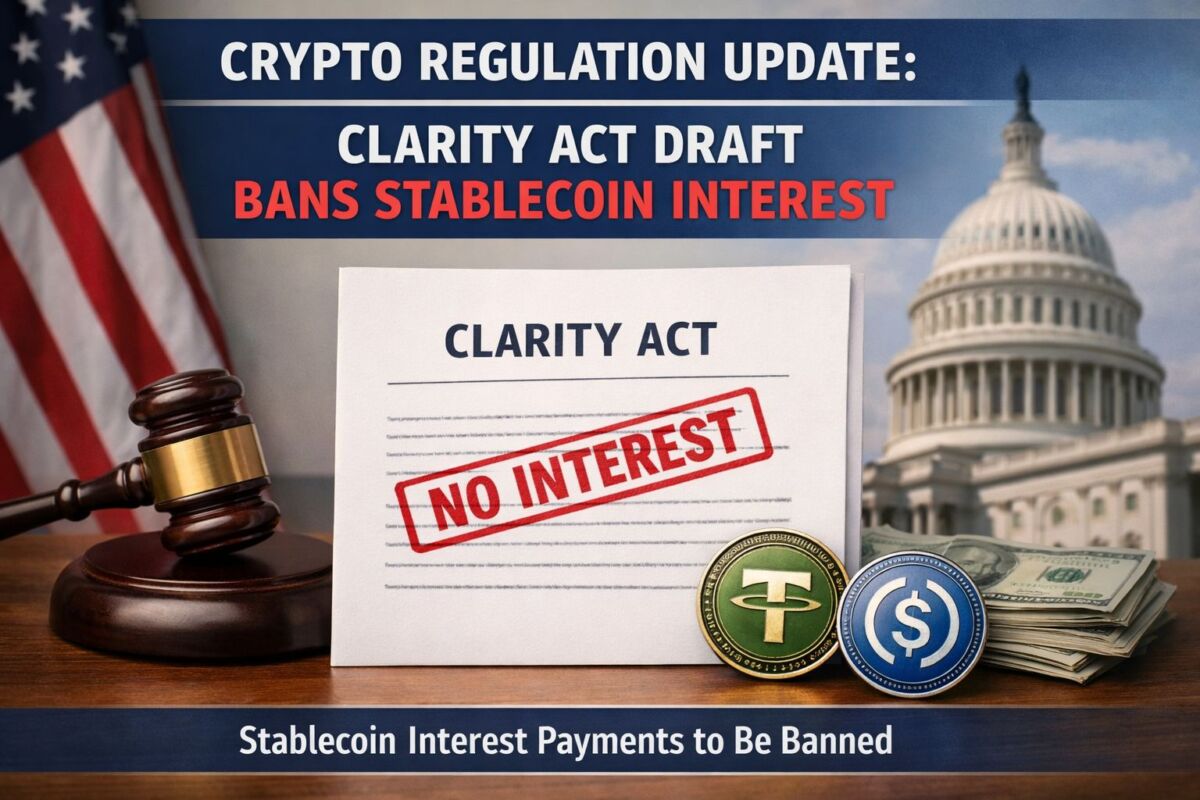
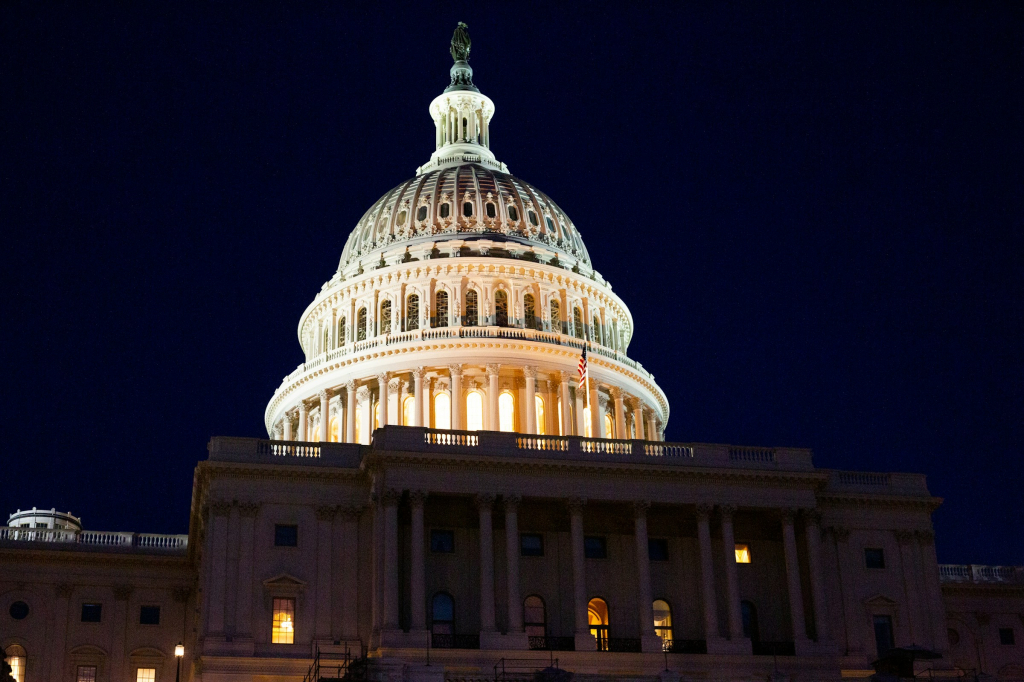
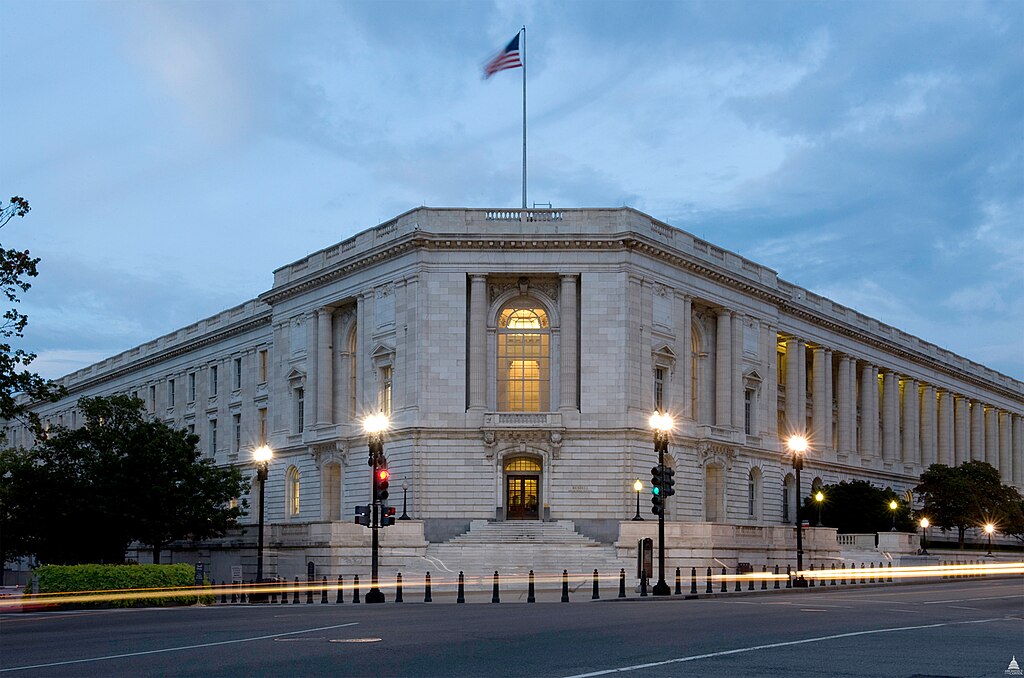
U.S. Senate negotiators have unveiled a compromise framework that would bar crypto platforms from paying 'passive interest' on stablecoin balances, a move that could redraw revenue models across the digital-asset sector while offering long-sought clarity for regulators and banks.
The agreement—led by Senators Thom Tillis and Angela Alsobrooks—aims to resolve one of the most contentious sticking points that had been obstructing enforcement and implementation pathways tied to the broader 'CLARITY Act' debate. The core idea, according to analysis circulated by MeXin Ventures, is to prohibit interest that accrues simply from holding stablecoins such as USD Coin (USDC) and Tether (USDT), while still allowing rewards that are explicitly tied to defined user activities.
In practical terms, the compromise draws a bright line between yield as a deposit-like feature and compensation for active participation. Under the proposal, a crypto platform would be prevented from offering a blanket percentage return for customers who merely park stablecoins in an account. However, it could offer incentives connected to specific actions—such as engagement in services that are structured as activity-based programs—provided those rewards are not framed as automatic interest on cash-equivalent holdings.
Supporters argue the distinction matters because stablecoins, designed to maintain a 1:1 peg to the U.S. dollar, increasingly function as transactional money within crypto markets. Regulators and traditional lenders have warned that turning them into high-yield savings substitutes could blur the boundary between banking and nonbank payment products, creating consumer-protection and systemic-risk questions. MeXin Ventures said the compromise would reduce 'regulatory uncertainty' by establishing a clear baseline for what platforms can and cannot offer.
Markets reacted quickly to the prospect of a clampdown on stablecoin-linked yield. Shares tied to the stablecoin ecosystem sold off sharply in the immediate aftermath, with particular focus on Circle and Coinbase ($COIN), reflecting investor concern that a meaningful slice of industry income—often derived indirectly from stablecoin balances, distribution arrangements, or yield-like customer incentives—could face pressure. The reaction underscored how central stablecoins have become not only to crypto trading, but to corporate earnings narratives across exchanges, brokers, and payment-facing platforms.
The implications extend beyond centralized exchanges. MeXin Ventures noted that major decentralized finance (DeFi) lending protocols may need to revisit product design and user incentives if regulators interpret certain stablecoin yield mechanisms as effectively 'deposit interest' rather than risk-bearing lending returns. While DeFi protocols do not operate like traditional custodial platforms, the line-drawing implied by the Senate compromise could influence how U.S.-facing interfaces, liquidity programs, and stablecoin-focused vaults are structured.
Traditional banks, meanwhile, have long pushed for restrictions on stablecoin interest, framing it as a competitive threat to core deposit funding. The American Bankers Association has argued that stablecoin yields often exceed rates offered on savings accounts, potentially accelerating deposit outflows—especially during periods when consumers are rate-sensitive. The Senate compromise appears to incorporate those concerns by limiting interest-like payouts from crypto platforms, effectively narrowing stablecoins’ ability to mimic bank deposits.
At a broader level, proponents say the push to solidify rules under the CLARITY framework could lower barriers for large financial institutions to engage more directly with digital assets. Clearer guardrails, they argue, would reduce legal ambiguity that has kept firms such as JPMorgan Chase ($JPM) and Goldman Sachs ($GS) cautious about expanding beyond pilot programs and selective crypto-market exposure.
The next major inflection point is expected late April 2026, when the Senate Banking Committee is scheduled to produce outcomes that could determine how the compromise language is integrated into the legislative and supervisory roadmap. For global crypto markets, the hearing and subsequent committee actions are being watched as a potential turning point—either cementing a U.S. model that separates payment-like stablecoin functions from interest-bearing products, or triggering a new round of innovation designed to fit within a narrower regulatory perimeter.

















Comment 0