

 News
News  Coin Information
  About us
  Customer Service


 Add as a preferred source on Google

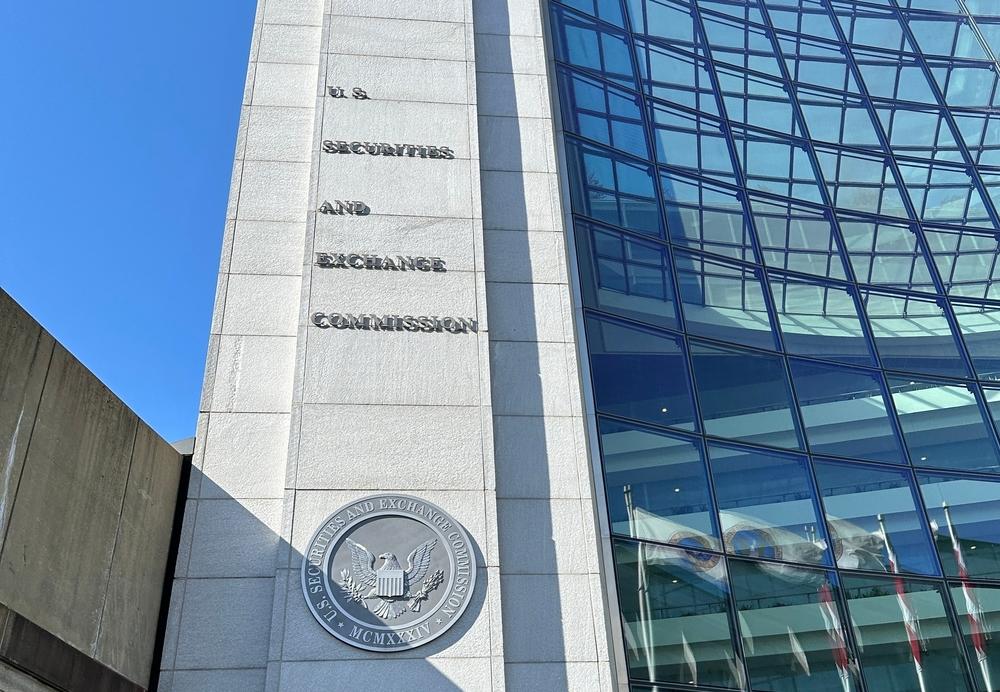
The final text of the long-awaited U.S. ‘Bitcoin and Crypto Clarity Act’ is expected to be released Tuesday, sharpening market focus on how Washington may ultimately split oversight of exchanges, issuers, and regulators across the digital-asset ecosystem.
Crypto policy watchers said the language—circulating after comments relayed on X by Pete Rizzo citing a White House press briefing—could become a key reference point for U.S. market structure, particularly around definitions of what constitutes a security versus a commodity, the compliance perimeter for trading venues, and disclosure obligations for token projects. With U.S. spot crypto markets still dominated by a patchwork of state licenses and federal enforcement actions, any statutory framework is viewed as a potential catalyst for ‘regulatory clarity’ and a re-rating of U.S.-linked platforms.
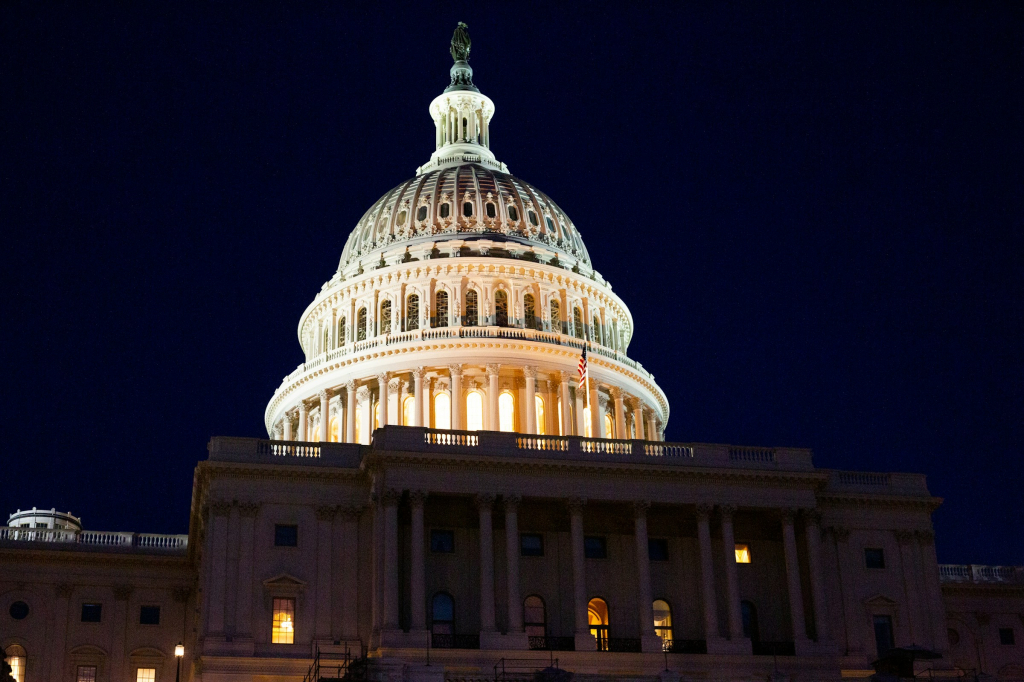
Momentum appears to be building on Capitol Hill as the Senate Banking Committee is also scheduled to vote on a market structure package commonly referred to as the ‘Clarity’ bill on Wednesday, May 14 (ET), according to TD Cowen. The bank’s Washington research team cautioned that a committee vote does not equal passage, but rather marks the point at which the debate can more formally move to the full Senate.
Key sticking points remain, including stablecoin-related yield provisions and contested ethics and conflict-of-interest clauses. Analysts noted that any Senate version would likely need to be reconciled with measures routed through the Senate Agriculture Committee, then clear the 60-vote threshold on the Senate floor—an unusually high bar in a polarized election cycle for legislation that touches banks, exchanges, and token issuers with competing interests.
One political variable drawing particular attention is how lawmakers address ethics language connected to President Trump’s family’s crypto business interests—an issue that some aides see as unavoidable if leadership wants to build a bipartisan coalition. TD Cowen’s Jarrett Seiberg has previously warned that the timeline could stretch, with final rule implementation potentially slipping well beyond the current Congress.
Macro policy uncertainty added another layer for risk assets as President Trump’s nominee for the next Federal Reserve chair, Kevin Warsh, cleared a key procedural vote in the Senate, according to local reports. The Senate could move as soon as Tuesday (ET) to confirm Warsh to a 14-year term as a Fed governor before proceeding to a separate confirmation vote for the four-year chair role as early as Wednesday. Jerome Powell’s term as chair is set to end Friday (ET), meaning markets may soon need to price a leadership transition ahead of the June 16–17 Federal Open Market Committee meeting—the first meeting Warsh would likely oversee if confirmed.
Beyond monetary policy, geopolitics also hovered over sentiment. Axios reported, citing U.S. officials, that Trump convened his national security team to review the possibility of resuming military action related to Iran after negotiations reportedly stalled over Tehran’s nuclear program demands. Any escalation could tighten global financial conditions and feed into the cross-asset volatility that crypto traders increasingly track alongside rates and dollar liquidity.
In parallel, several crypto-native developments underscored ongoing capital formation and stablecoin expansion. Kraken parent Payward is reportedly exploring a fundraising round at a roughly $20 billion valuation as it prepares for a potential IPO and broader expansion, CoinDesk reported, adding that the company declined to comment. Kraken has recently pursued acquisitions including payment and derivatives-related businesses, signaling a push to diversify revenue as U.S. regulatory trajectories evolve.
Stablecoin rails also continued to grow. The supply of Tether’s Tron-based TRC20-USDT surpassed 89.3 billion tokens on Monday, hitting an all-time high, according to PANews. Tron’s low fees and fast settlement have helped make TRC20-USDT a dominant format for exchange transfers and payments, and industry trackers have highlighted Tron’s sizable share of crypto card settlement flows.
Tokenization markets showed fresh scale as well. Ondo Finance said total value locked on Ondo Global Markets—a venue for tokenized stocks and ETFs—surpassed $1 billion, with cumulative trading volume around $18 billion. Separately, blockchain monitors flagged movements linked to an Ondo Finance team-associated address that received 150 million Ondo (ONDO) and sent a portion to exchanges, activity that traders often watch for potential liquidity events.
Elsewhere, Google’s Threat Intelligence team said it observed attackers using AI models to develop and exploit a zero-day that could bypass two-factor authentication via a logic flaw in a widely used open-source web administration tool—an incident security professionals say underscores how AI can accelerate vulnerability discovery and raise the stakes for crypto platforms relying on account-level protections.
For markets, the week’s central question is whether prospective U.S. legislation can translate into durable ‘market structure’ rules that reduce compliance ambiguity without stifling innovation. With Fed leadership uncertainty, election-year politics, and geopolitics all in play, traders are likely to treat any clarity bill text not as an end point, but as a blueprint whose details could reshape where liquidity—and crypto businesses—choose to concentrate.















Comment 0