

 News
News  Coin Information
  About us
  Customer Service




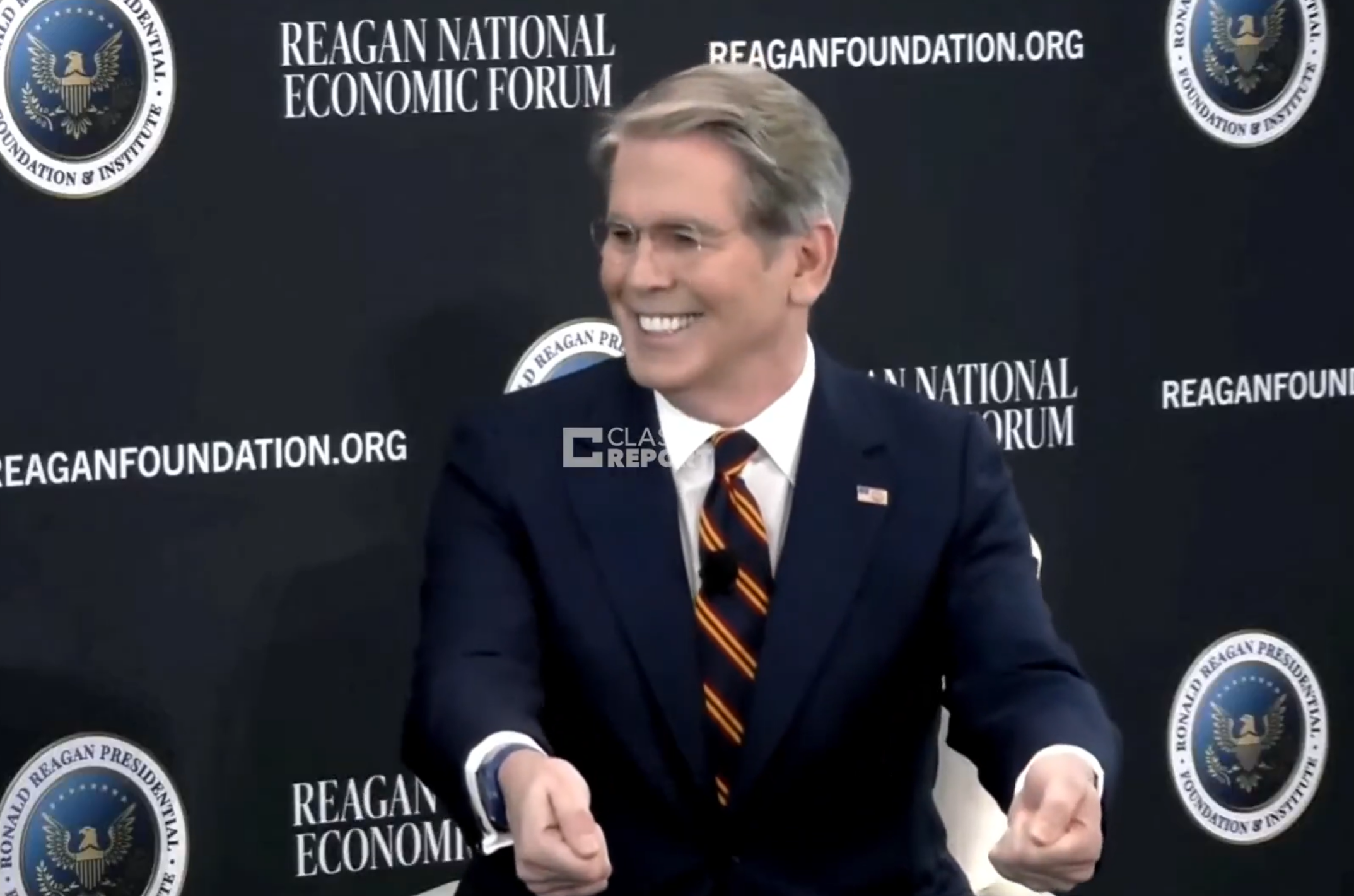
House Financial Services Committee Chairman French Hill has indicated that tokenization could become the next major focus of U.S. digital asset policy after lawmakers finalize work on stablecoin regulation and cryptocurrency market structure legislation. Speaking about the future of crypto regulation, Hill expressed confidence that the Clarity Act can gain bipartisan support, highlighting the growing cooperation between Republicans and Democrats on digital asset issues.
According to Hill, the House successfully reached bipartisan agreements on key topics such as stablecoin practices, decentralized finance, and ethics provisions. These efforts helped secure broad political backing for crypto legislation and established a framework that lawmakers hope the Senate can also support. He noted that Senate negotiators have already incorporated several elements from House proposals, including concepts from FIT21 and the Clarity Act, demonstrating ongoing collaboration between both chambers.
As Congress advances cryptocurrency legislation, Hill believes tokenization of real-world assets will become an increasingly important discussion. The House Financial Services Committee has already held hearings to examine how blockchain technology can support the tokenization of assets such as stocks and other financial instruments. The goal is to determine whether new laws are necessary or whether existing regulatory agencies can address these developments through updated guidance and oversight.
Hill emphasized that tokenization does not fundamentally change the legal nature of an asset. Instead, it modernizes the infrastructure used to manage and transfer ownership. Existing regulations governing traditional financial assets would continue to apply even when those assets are represented on blockchain networks. Lawmakers are therefore studying how regulators, including the Securities and Exchange Commission and banking authorities, can facilitate the transition toward blockchain-based systems.
Another area attracting attention is the potential tokenization of commercial bank deposits. While still in the early stages of discussion, this innovation could streamline payments, reduce reliance on intermediaries, improve settlement efficiency, and lower operational costs across the financial sector. Hill compared the transition to previous technological shifts that moved financial markets from paper-based systems to digital platforms.
Despite the opportunities, challenges remain. Interoperability between systems, regulatory compliance, and operational standards must be addressed before tokenized markets can reach widespread adoption. Hill also pointed to ongoing efforts to modernize cryptocurrency tax rules, with lawmakers continuing to explore bipartisan solutions.
Looking ahead to the 2026 election cycle, Hill expects the cryptocurrency industry to remain politically active and influential. He believes bipartisan support for innovation-focused digital asset policies will continue, while future regulatory attention may shift toward implementation by agencies such as the SEC and CFTC once major crypto legislation becomes law.
















Comment 0