

 News
News  Coin Information
  About us
  Customer Service


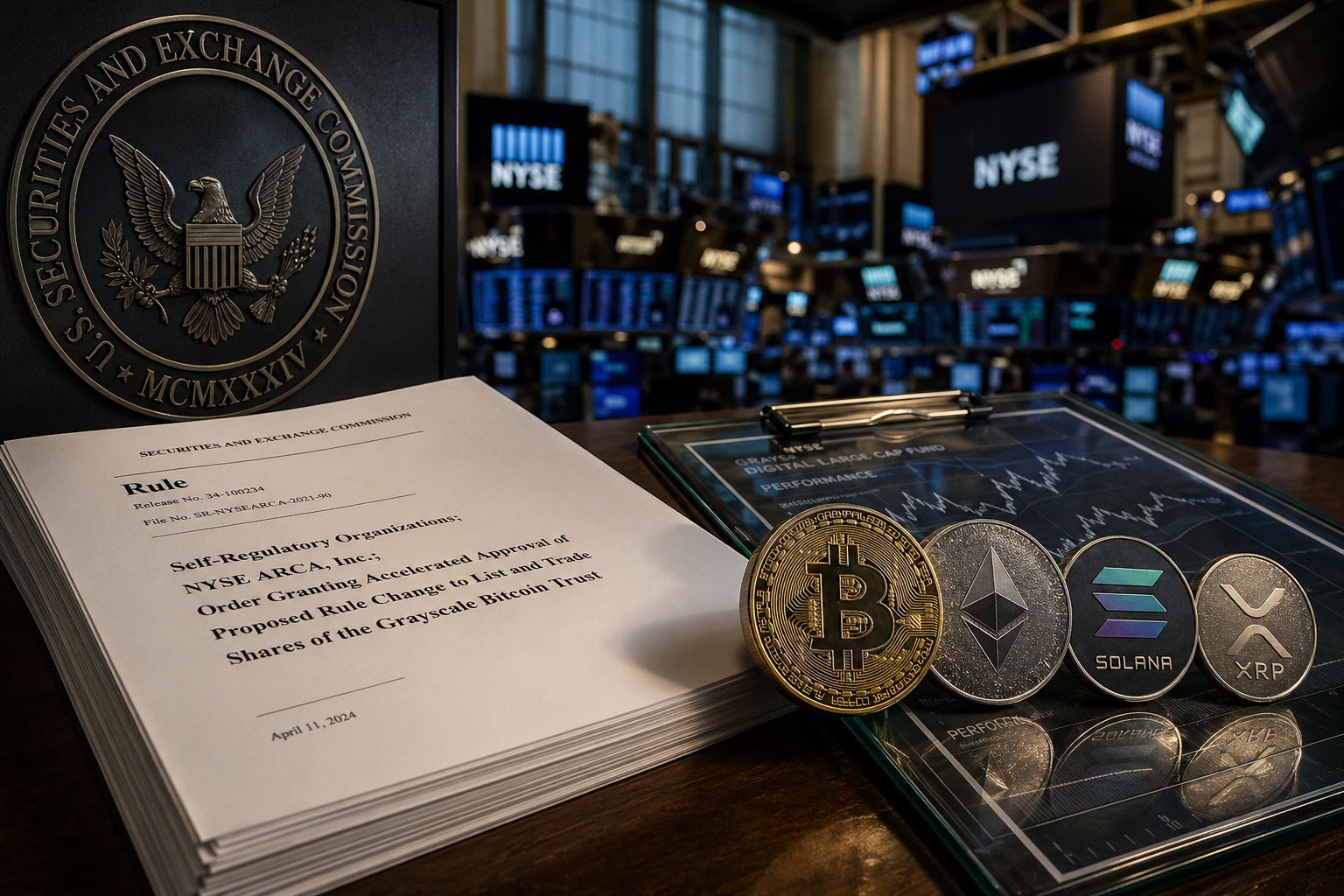
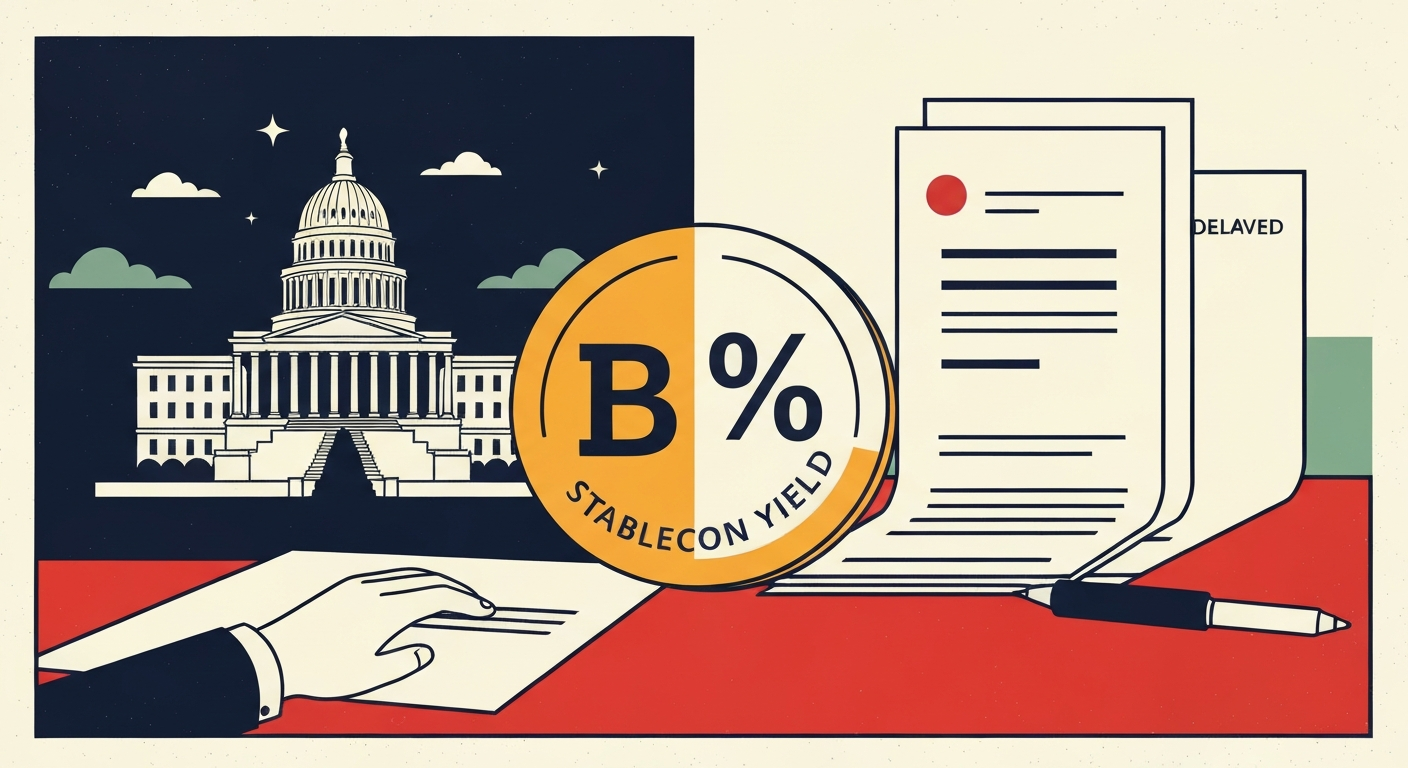
The U.S. Securities and Exchange Commission has delayed the release of an anticipated framework that would have carved out an 'innovation exemption' for 'tokenized stocks', after pushback from major exchanges and market participants raised concerns about investor protection and market integrity.
According to Bloomberg, the SEC had signaled it could unveil the exemption as soon as this week but chose to hold it back following a series of meetings in recent days with exchange officials and other stakeholders. The decision underscores the growing tension between the agency’s pro-crypto deregulatory momentum under Chair Paul Atkins and the traditional market infrastructure that warns the plan could create a parallel equity market with weaker guardrails.
The proposed exemption—viewed as a key pillar of Atkins’ 'Project Crypto' agenda aligned with the Trump administration’s crypto-friendly posture—was expected to outline a regulatory pathway for equity-linked digital tokens to trade on decentralized crypto platforms around the clock. In effect, it would allow tokenized versions of listed shares to be exchanged 24/7 on DeFi venues, bypassing the time and structural constraints that govern traditional stock exchanges.
A particularly contentious element is the SEC’s reported openness to 'third-party tokens'—blockchain-based wrapper tokens that track the price of public companies’ shares and could be issued by outside entities without the issuer’s consent. Under such a model, tokens referencing companies like Apple, Nvidia, or Tesla could be created and listed on crypto platforms by independent token publishers, even if the underlying companies do not participate.
Because these instruments typically do not confer the shareholder rights associated with conventional equities—such as voting or dividends—regulators and exchanges have focused on what protections would apply. Bloomberg reported the SEC has discussed forcing platforms to delist tokenized stocks if the venue does not provide comparable shareholder rights, although the contours and enforceability of that approach remain unclear.
The delay appears to have been driven in large part by opposition from the World Federation of Exchanges (WFE), whose members include Nasdaq, Cboe Global Markets, and CME Group. In a letter to the SEC sent last November, the WFE warned that granting an exemption could 'dilute' established investor protections and give crypto venues a 'regulatory shortcut' not available to traditional markets—potentially 'distorting' competition between regulated exchanges and crypto-native trading platforms.
The federation also cautioned that conferring legitimacy on tokenized stock trading before a full compliance framework is in place could produce “negative — potentially acute — consequences” for U.S. markets, reflecting a broader concern that oversight could lag the rapid proliferation of equity-like tokens across global crypto venues.
At the heart of the dispute is a clash between two competing visions for the future of U.S. equities. One model—'exchange-led tokenization'—keeps trading within regulated exchange infrastructure while attempting to preserve the full set of shareholder rights. Nasdaq, for example, received SEC approval in March for a tokenized securities proposal that leverages the enterprise blockchain infrastructure associated with the Depository Trust & Clearing Corporation (DTCC), a model that aims to modernize settlement and record-keeping without ceding market structure to DeFi platforms.
The alternative vision—effectively endorsed by the contemplated 'innovation exemption'—would normalize a 'crypto-native parallel market' in which multiple independent issuers could mint competing token representations tied to the same underlying stock. Market structure experts say that dynamic could fragment liquidity across many versions of a single asset, complicating 'price discovery' and raising new questions about surveillance, disclosure, and the prevention of manipulation across venues that operate continuously and often across borders.
With the SEC now resetting its timeline, attention is shifting to the unresolved design choices that will determine whether tokenized stocks become an incremental modernization of existing market plumbing or a competing marketplace altogether. Key watchpoints include how broadly the SEC would permit third-party issuance, what obligations platforms would face to ensure dividend and governance equivalence, and how the agency would harmonize any exemption with the rules that govern national securities exchanges.
For Atkins, the episode is an early test of how far 'Project Crypto' can go before running into institutional resistance from core market operators. The eventual compromise—or lack thereof—may also influence the direction of tokenized securities policy well beyond the U.S., signaling how other jurisdictions, including South Korea, might balance innovation against investor protection as tokenization moves from pilot projects toward mainstream adoption.















Comment 0