

 News
News  Coin Information
  About us
  Customer Service


 Add as a preferred source on Google

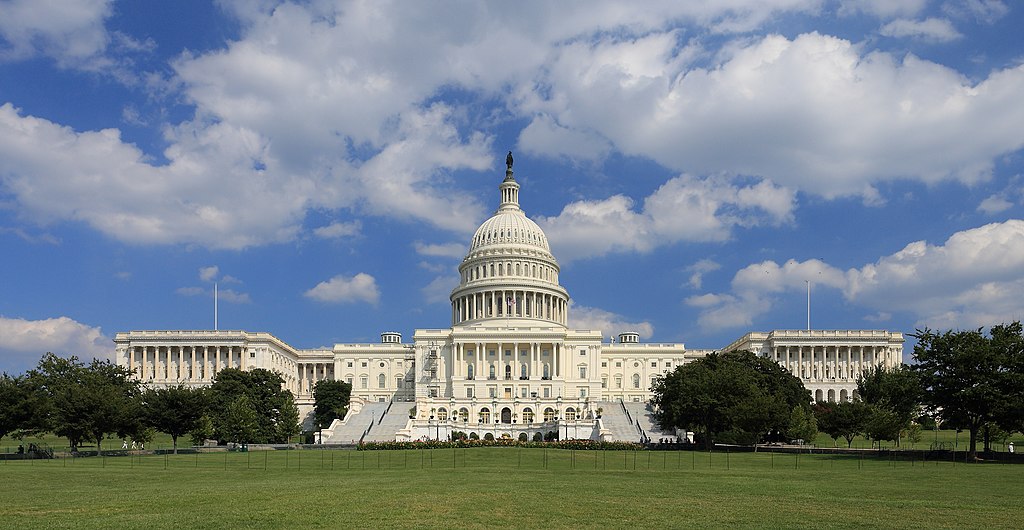
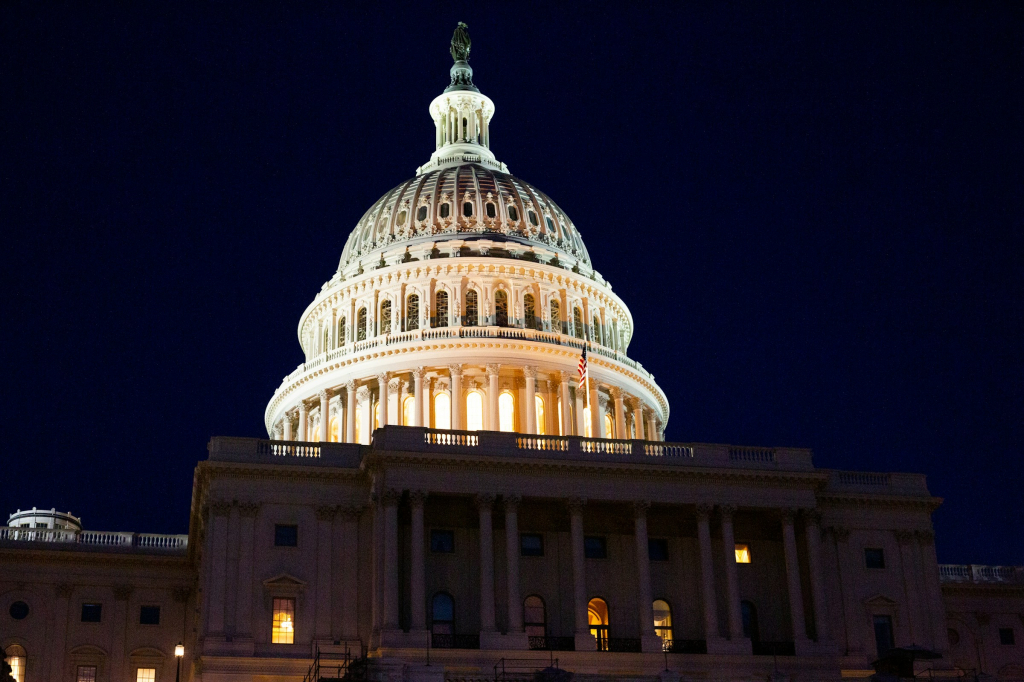
The U.S. Senate’s overwhelming passage of a bill banning a ‘retail’ central bank digital currency (CBDC) through the end of 2030 is reshaping the digital dollar debate, pushing Washington’s center of gravity away from a Federal Reserve-issued token and toward privately issued, dollar-pegged stablecoins.
In a research note, MEXC Ventures said the legislation effectively walls off the Federal Reserve’s ability to issue a consumer-facing digital dollar—while leaving regulatory room for stablecoins to expand as the de facto ‘digital dollar’ layer in crypto markets and potentially beyond.
According to MEXC Ventures, the Senate approved the “21st Century ROAD to Housing Act” on June 22, 2026 (UTC) by an 85–5 vote. A key provision prohibits the Fed from issuing a retail CBDC—directly or indirectly—until December 31, 2030. The measure builds on the policy direction set by President Trump, who signed an executive order in January 2025 opposing a retail CBDC on the grounds that it could threaten individual privacy and ‘financial freedom’.
By moving from an executive branch restriction to statutory law, lawmakers are attempting to make the policy more durable across election cycles. “If an executive order can be reversed by a future administration, federal legislation is materially harder to unwind,” the report argued, framing the vote as a structural decision about who should control the plumbing of digital money in the United States.
The bill’s scope, however, is narrowly aimed at ‘retail’ CBDCs—systems in which individuals or businesses would hold accounts directly with the central bank or directly custody central bank-issued digital cash. Wholesale CBDC activity, typically designed for interbank settlement and capital markets infrastructure, is not the primary target of the restriction. That distinction reflects a long-running U.S. political fault line: opponents of retail CBDCs worry that direct central bank money could expand state visibility into payments data and alter the role of commercial banks in the deposit and credit system.
The Fed has previously explored digital dollar concepts, including research efforts such as the Boston Fed-led Project Hamilton. But MEXC Ventures said the new legislation moves beyond merely chilling research momentum, aiming instead to foreclose a legal pathway for a retail CBDC during the period covered by the bill.
Markets, the report noted, are paying closest attention to the stablecoin carve-out. Privately issued, dollar-denominated digital assets are excluded from the ban, though the bill ties their legitimacy to safeguards intended to approximate cash-like privacy protections. To MEXC Ventures, that exemption signals that the U.S. is not rejecting a ‘digital dollar’ outright; it is choosing a model where issuance and distribution are led by the private sector rather than the central bank.
The approach is broadly consistent with the direction of the 2025 GENIUS Act, which focused on building a federal regulatory framework for stablecoin issuers. Read together, the two tracks suggest a deliberate ‘two-layer’ strategy: block a retail CBDC while enabling regulated stablecoins to preserve the dollar’s digital competitiveness through market-driven adoption.
That has direct implications for crypto market structure. Stablecoins such as USD Coin (USDC) and Tether (USDT) already function as core settlement assets across centralized exchanges, DeFi, and cross-border on-chain transfers, serving as the primary source of ‘base liquidity’ for trading pairs involving Bitcoin (BTC), Ethereum (ETH), and other major tokens. A clearer legislative preference for stablecoins could accelerate their role as the default settlement rail for digital finance—even as broader questions around issuer risk, reserve transparency, and compliance standards continue to shape adoption.
In global context, the U.S. stance stands out. The European Central Bank continues developing a digital euro, while China’s digital yuan (e-CNY) has expanded across multi-city pilots. The Bank for International Settlements has said more than 90 central banks worldwide are researching or testing CBDCs, underscoring the pace of experimentation elsewhere. Against that backdrop, Washington appears to be pursuing a workaround: limiting a consumer CBDC while leaning on regulated private stablecoins to extend dollar influence in digital payments.
The measure is not permanent. The retail CBDC prohibition includes a sunset date of December 31, 2030, leaving open the possibility that Congress and a future administration revisit the issue in response to changing geopolitical competition, shifts in global settlement infrastructure, or a domestic financial shock that changes the cost-benefit calculus.
For now, MEXC Ventures said the vote amounts to a formal endorsement of a ‘private issuance’ model for the digital dollar in the U.S.—with the next test being whether stablecoins can entrench themselves as mainstream payment infrastructure before the sunset clock forces lawmakers to decide whether the ban should be renewed, revised, or allowed to expire.
🔎 Market Interpretation
- Policy signal: The U.S. Senate’s 85–5 vote to bar a retail CBDC until Dec. 31, 2030 shifts the “digital dollar” narrative away from a Federal Reserve-issued token and toward privately issued, dollar-pegged stablecoins.
- Regulatory wedge: The bill restricts the Fed’s consumer-facing digital cash path while leaving room for stablecoins to expand as the de facto on-chain dollar layer, especially in crypto trading and settlement.
- Durability upgrade: Moving from a 2025 executive order (reversible) to statutory law makes the anti-retail-CBDC stance more resilient across election cycles.
- Two-track U.S. approach: Paired with the 2025 GENIUS Act (stablecoin framework), the strategy looks like: block retail CBDC + enable regulated stablecoins to maintain dollar competitiveness in digital payments.
- Market structure impact: A clearer U.S. preference for stablecoins could reinforce USDC/USDT as base liquidity and settlement rails across CEXs, DeFi, and cross-border transfers—while keeping attention on issuer risk and compliance.
- Global divergence: The U.S. stands apart as the ECB advances a digital euro and China scales e-CNY pilots; Washington’s workaround is to project dollar influence via regulated private stablecoins instead of a state-issued retail token.
- Sunset cliff: The ban is temporary; the 2030 deadline creates a future decision point that could be influenced by geopolitics, settlement infrastructure shifts, or domestic financial stress.
💡 Strategic Points
- For stablecoin issuers: Momentum likely favors issuers that can demonstrate reserve quality, transparency, audits/attestations, and robust compliance as lawmakers tie legitimacy to cash-like safeguards.
- For exchanges and DeFi: Expect continued entrenchment of stablecoins as the default settlement asset; platforms may prioritize integrations with regulated stablecoins and improved on/off-ramps.
- For banks and payments firms: Retail-CBDC fears (deposit disintermediation and state visibility into payments) ease near-term, but competitive pressure increases to offer tokenized deposits, stablecoin rails, or partnerships.
- For investors and risk managers: Policy tailwinds do not remove key risks—monitor issuer concentration, reserve composition, redemption mechanics, jurisdictional exposure, and enforcement actions.
- For U.S. policymakers: The success/failure of a private stablecoin model will be measured by consumer protection, systemic resilience, privacy, AML effectiveness, and dollar reach before 2030 reconsideration.
- Scenario planning to 2030: If global CBDCs gain traction or payment rails fragment, Congress may revisit retail CBDC options; alternatively, strong stablecoin adoption could make the ban extension politically easier.
📘 Glossary
- CBDC (Central Bank Digital Currency): Digital form of sovereign money issued by a central bank.
- Retail CBDC: A CBDC designed for the public (households/businesses) to hold and use directly—often raising privacy and banking-system concerns.
- Wholesale CBDC: CBDC used mainly for interbank settlement and capital markets infrastructure rather than everyday consumer payments.
- Stablecoin: A privately issued digital asset intended to track a fiat currency value (e.g., 1 token ≈ 1 USD), typically backed by reserves.
- USDC / USDT: Major USD-pegged stablecoins widely used as trading and settlement units across crypto markets.
- Base liquidity: The primary “quote” asset used to price and settle trades (e.g., BTC/USDT), enabling efficient market exchange.
- DeFi (Decentralized Finance): On-chain financial services (trading, lending, payments) executed via smart contracts.
- Reserve transparency: Disclosure/verification of assets backing a stablecoin, affecting confidence in redemptions and solvency.
- Project Hamilton: A U.S. research initiative (Boston Fed/MIT) exploring technical approaches for a potential digital dollar.
- GENIUS Act (2025): Referenced framework aimed at establishing federal rules for stablecoin issuance and oversight.
- Sunset clause: A built-in expiration date for a law—here, the retail CBDC prohibition ending Dec. 31, 2030 unless renewed or replaced.




















Comment 0