

 News
News  Coin Information
  About us
  Customer Service



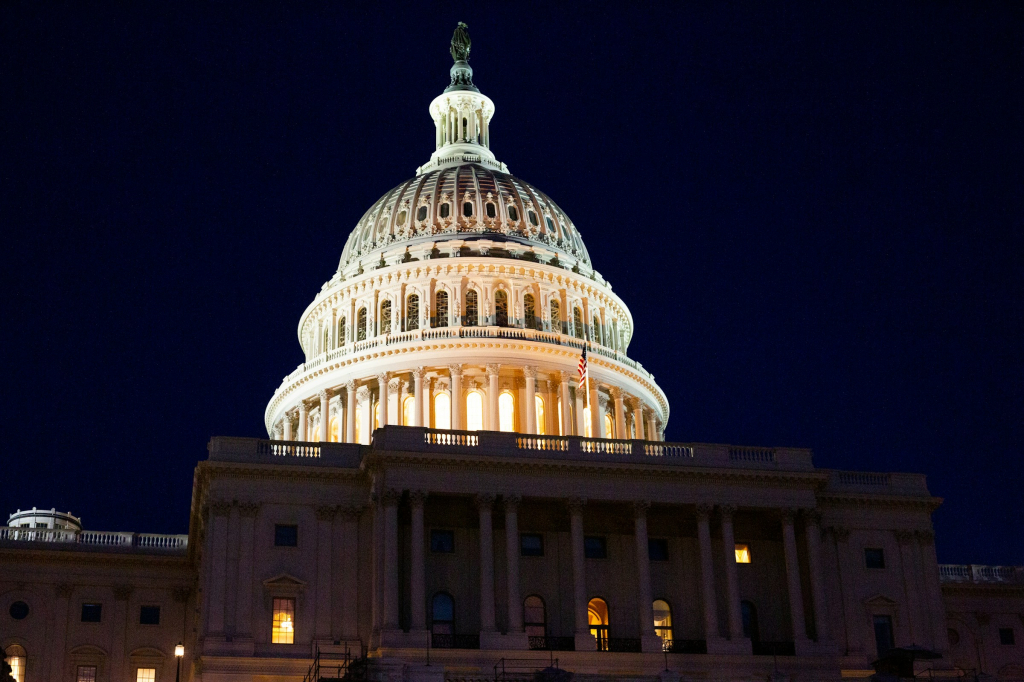
Senate Majority Leader John Thune said the Senate still expects to hold another procedural vote on the CLARITY Act before lawmakers leave Washington for their month-long August recess, despite the crypto market structure bill not yet appearing on the official Senate floor schedule.
Speaking to reporters on Monday, Thune said the Senate has a packed legislative agenda and intends to remain in session until key priorities are addressed. Those priorities include a continuing resolution, a package of nominations, Russia sanctions legislation, Jonathan Blanche’s nomination, and the CLARITY Act, which aims to establish a comprehensive regulatory framework for the U.S. cryptocurrency industry.
Although Thune acknowledged the limited time remaining, he expressed confidence that the legislation would receive procedural consideration. "I think market structure we'll get a vote on. Whether we can get on it or not, we'll see," he said.
However, the bill remains absent from the Senate calendar. The chamber is currently scheduled to hold a cloture vote on H.R. 6500 rather than H.R. 3633, the CLARITY Act. No formal cloture motion or final floor vote has yet been filed for the crypto legislation, raising questions about whether lawmakers can complete the process before the recess begins.
Crypto analyst Ted Pillows noted that the timeline is becoming increasingly tight. He said if Senate leadership waits until Wednesday to file cloture, the earliest possible vote would likely take place on Friday, leaving little room for delays.
Thune also pointed to other legislative hurdles, saying Democrats have been slowing progress on the Russia sanctions package, which requires a time agreement to advance. He added that he would ideally like to complete Jonathan Blanche’s confirmation but stopped short of guaranteeing it.
Meanwhile, Coinbase CEO Brian Armstrong has intensified calls for Senate approval of the CLARITY Act. In a post on X, Armstrong described the legislation as the result of extensive bipartisan collaboration designed to create clear and consistent crypto regulations in the United States.
According to Armstrong, the bill would strengthen consumer protections, enhance law enforcement oversight, support innovation in digital assets, and create new opportunities for banks to integrate stablecoins and cryptocurrency services. He urged senators to support what he called "common sense" legislation that could provide long-awaited regulatory clarity for the U.S. crypto industry.
















Comment 0