

 News
News  Coin Information
  About us
  Customer Service


 Add as a preferred source on Google

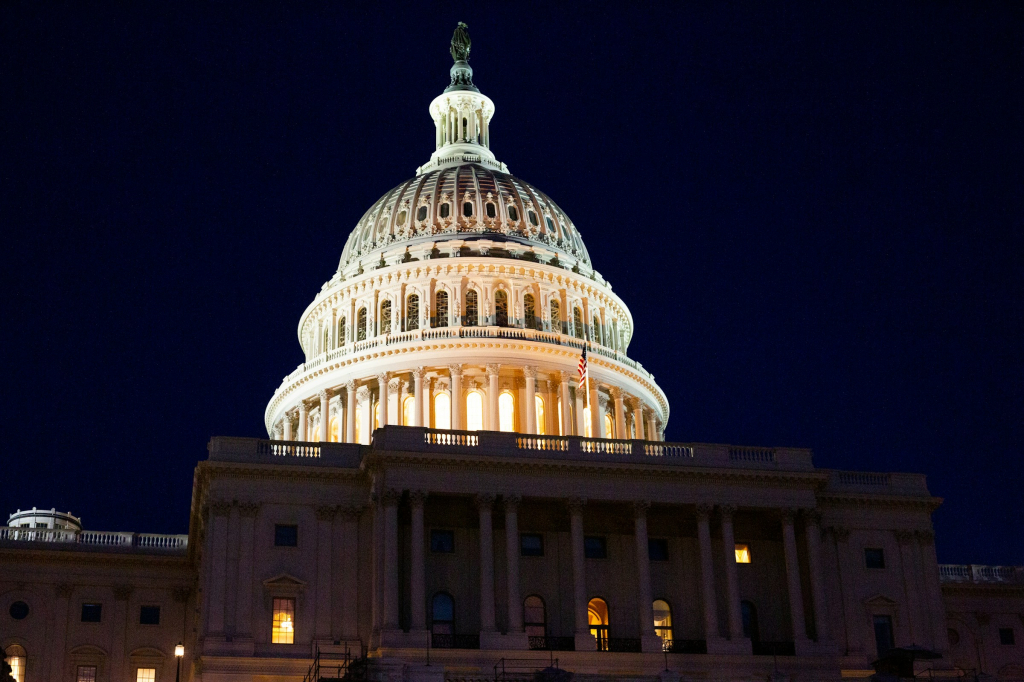
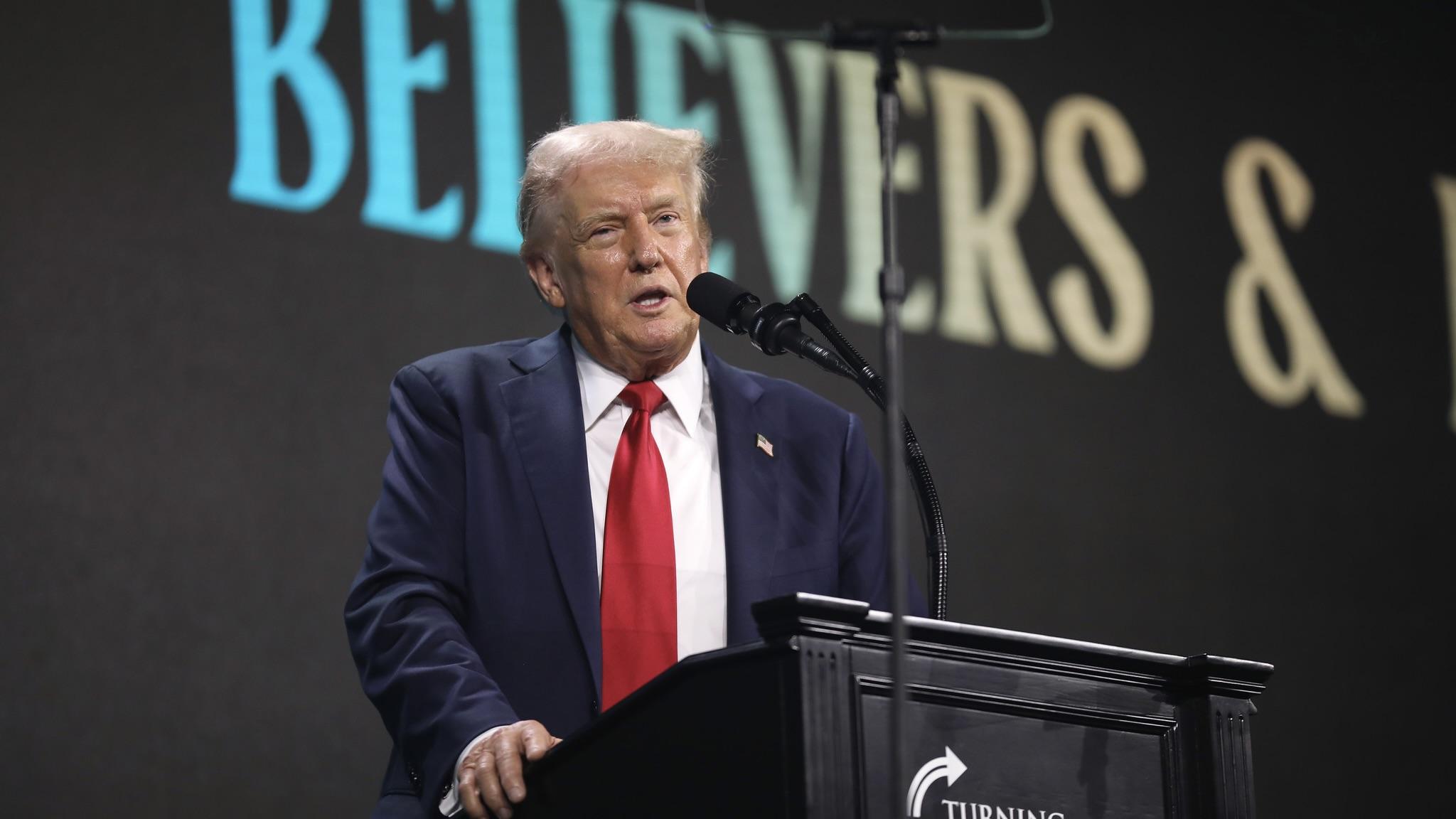
A White House official said the U.S. Senate could soon vote on the so-called 'Bitcoin CLARITY' bill, raising hopes in the crypto industry that Washington may finally be moving toward a clearer federal framework for digital assets.
According to reporting cited by journalist Pete Rizzo, the official expressed confidence that supporters can secure the necessary votes and argued the legislation “deserves” a full Senate floor vote. The comments come as policymakers and market participants intensify their focus on defining regulatory jurisdiction and compliance expectations for crypto markets—an issue that has been a persistent source of uncertainty for exchanges, issuers, and institutional investors.
Still, the timeline remains fluid. Senate Republican Leader John Thune reportedly warned that final passage before the summer recess may be difficult, while signaling he hopes the chamber can at least begin the broader consideration process before lawmakers leave Washington. Industry watchers have previously viewed August 7 as a key marker for gauging whether the bill has a realistic path this year; if consideration slips into the fall, many in the sector expect the odds of passage in 2026 to decline given the legislative calendar and competing priorities.
Patrick Witt, the White House crypto adviser, suggested the Senate could advance procedural steps during the first week of August but downplayed the likelihood of a final vote occurring in July.
The regulatory debate is unfolding against a backdrop of sustained 'institutional demand' for Bitcoin (BTC) exposure through regulated vehicles. Bitcoin Magazine reported that the cumulative inflows into the Morgan Stanley Bitcoin Trust (MSBT) have surpassed $400 million, underscoring continued appetite for professionally managed Bitcoin products even as policy uncertainty persists.
Outside the U.S., new regulated access points and product features are also expanding. Odaily reported that Futu NiuNiu has officially launched real-time trading for BNB (BNB), saying it is the first licensed brokerage in Hong Kong to offer order-book trading pairs for the token. The rollout allows eligible professional investors in Hong Kong to trade BNB within a regulated framework, with access to transparent real-time market data.
At the protocol level, Sui (SUI) said it has introduced gas-free stablecoin transfers, enabling users to send stablecoins without paying network fees or holding a separate gas token. The network said the functionality is built directly into the protocol—an approach that could improve user experience for payments and remittances, where 'fee friction' has often been a barrier to mainstream adoption.
In the U.S. consumer market, Coinbase ($COIN) is expanding its lending offerings. Odaily reported that the exchange has launched Coinbase Borrow across the United States excluding New York State, with the service operating on Base and supported by Jito and Morpho. The expansion highlights how major U.S. platforms are increasingly leaning on on-chain infrastructure to deliver credit products, while continuing to navigate a patchwork of state-level requirements.
Meanwhile, Binance Research pointed to rapid uptake of stablecoin-based equity products among younger users. The firm said Generation Z accounts for 44% of users of Binance’s Direct Stock product and a separate product referred to as B-Stock, and roughly 45% of users trading traditional finance perpetual contracts. Among users active across all three products, Gen Z represents 48%. Binance Research also said the Gen Z share of new traditional-finance-product users rose from 41% in January 2026 to 47% in July 2026, with Gen Z trading volume in these products reaching about $80 billion this year and monthly volume compounding at around 24%. More than 90% of users engaging with these products across all generations were based in emerging markets, the report added.
Beyond crypto, broader macro and geopolitical developments are also shaping risk sentiment. Reports cited by Charles Kennedy said Indian refiners are sourcing alternative crude shipments from Angola and Venezuela as Middle East supply routes face disruptions tied to tensions around the Strait of Hormuz—a critical global chokepoint whose volatility can quickly spill into energy prices and inflation expectations. Separate figures indicated Saudi crude exports from the Red Sea port of Yanbu are down 41% from a March peak, amid renewed concerns about shipping security following Houthi attacks on tankers.
In corporate supply chain news, market sources cited by Odaily said Qualcomm ($QCOM) is expected to inform customers of planned price increases in the double-digit percentage range, attributing the move to persistently rising costs that the company can no longer absorb. Such pricing pressure could feed into broader hardware and consumer electronics cost dynamics, a factor markets often monitor for its impact on growth and inflation trends.
For crypto markets, the near-term focus remains on Washington’s legislative timetable. A credible path to a Senate floor vote on the CLARITY bill would be seen as a meaningful signal that policymakers are moving from debate to action—potentially reducing uncertainty around compliance, market structure, and the next wave of 'institutional inflows'—even if final passage still faces procedural and political hurdles.
🔎 Market Interpretation
- The U.S. Senate is nearing a potential floor vote on the ‘Bitcoin CLARITY’ bill, a key catalyst that could shift crypto from regulatory ambiguity toward a defined federal framework.
- Timing risk remains high: leadership signaling suggests July passage is unlikely, early August may bring procedural progress, and delays into fall could sharply reduce passage odds due to the legislative calendar.
- Policy uncertainty contrasts with continued institutional demand for regulated BTC exposure, highlighted by over $400M cumulative inflows into Morgan Stanley’s Bitcoin Trust (MSBT).
- Regulated market access is expanding outside the U.S. (Hong Kong BNB order-book trading via a licensed brokerage), indicating jurisdictional competition to attract compliant crypto activity.
- Product and UX innovation continues at the protocol and exchange layers (Sui gas-free stablecoin transfers; Coinbase Borrow expansion on Base), suggesting market structure is progressing even before U.S. federal clarity.
- Risk sentiment is also being shaped by macro/geopolitics: Middle East shipping disruptions and reduced Saudi Red Sea exports raise energy/inflation tail risks; Qualcomm price hikes point to sticky cost pressures—both relevant to liquidity and risk assets, including crypto.
💡 Strategic Points
- Legislative catalyst watch: Track Senate scheduling signals (Thune comments, early-August procedural steps) as near-term drivers of crypto market structure expectations and sentiment.
- Scenario planning for CLARITY:
• If advanced to floor debate: likely improves compliance visibility for exchanges/issuers and supports “institutional inflow” narratives.
• If delayed past early August: market may price in reduced 2026 odds, prolonging compliance uncertainty and potentially dampening marginal U.S. institutional allocation.
- Institutional positioning signal: MSBT inflows suggest investors are willing to pay for regulated wrappers despite policy haze—supportive for BTC demand resilience.
- Jurisdictional diversification: Hong Kong’s regulated BNB access may pull professional liquidity offshore; firms may pursue multi-jurisdiction strategies to reduce U.S.-only regulatory concentration.
- UX as adoption lever: Gas-free stablecoin transfers can reduce “fee friction,” improving payments/remittance viability and potentially accelerating stablecoin velocity on networks that implement such features.
- On-chain credit expansion: Coinbase Borrow’s rollout (excluding NY) underscores the role of L2 infrastructure (Base) and DeFi primitives (e.g., Morpho/Jito) in consumer lending—and highlights persistent state-by-state compliance fragmentation.
- Demographic/product trend: Binance Research data indicates Gen Z is a dominant cohort in stablecoin-based equity products and TradFi-perp-style instruments, with emerging markets as the primary user base—important for distribution, product design, and regulatory risk assessment.
- Macro hedge lens: Energy-route disruption risk and hardware price increases can influence inflation expectations and rates—key variables for crypto multiples and risk appetite.
📘 Glossary
- Bitcoin CLARITY bill: Proposed U.S. legislation aimed at clarifying federal regulatory responsibilities and compliance rules for digital assets and market structure.
- Senate floor vote: Full-chamber vote; reaching the floor typically signals meaningful momentum beyond committee debate.
- Procedural steps: Actions like scheduling, motions, and debate initiation that move a bill toward a final vote.
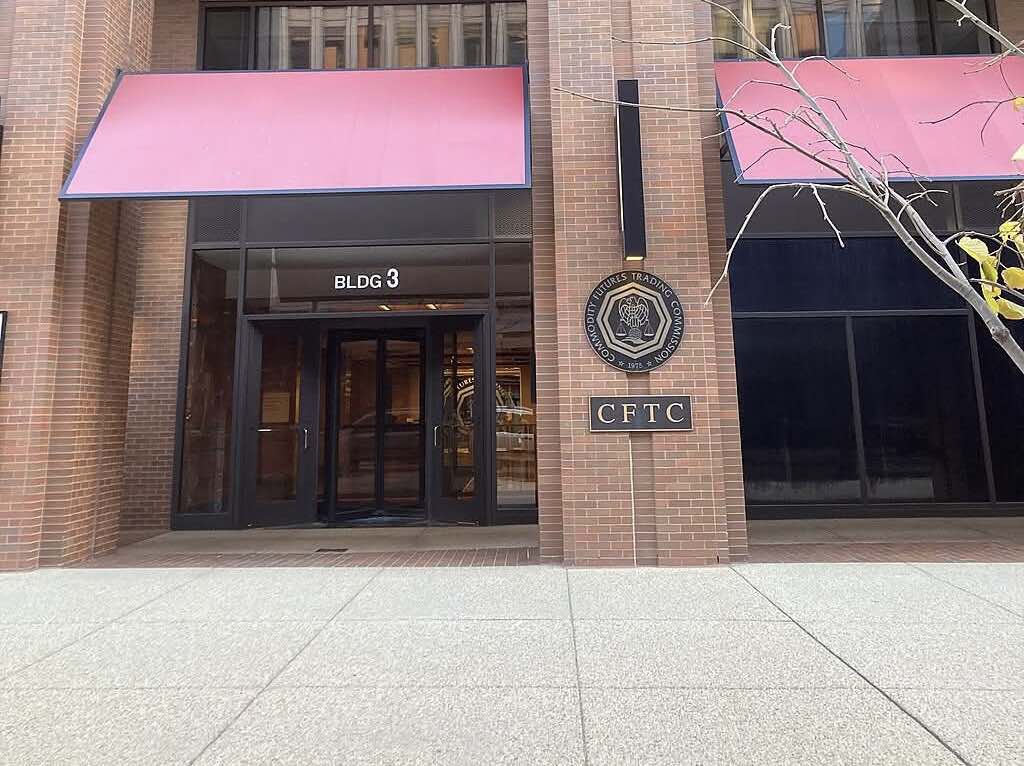
- Regulatory jurisdiction: Which agencies (e.g., SEC/CFTC or others) oversee specific crypto assets/activities and under what rules.
- Institutional demand/inflows: Capital allocations from professional investors/firms into regulated products (trusts, funds, ETFs-like vehicles), often viewed as a maturity signal.
- Regulated vehicle: Investment product offered under formal regulatory oversight (e.g., a trust), providing compliance and custody structures.
- Order-book trading pairs: Exchange-style market where bids/asks determine price discovery in real time.
- Stablecoin: Token designed to track a reference asset (often USD) to reduce volatility.
- Gas fees / gas token: Network transaction fees paid in a blockchain’s native asset; required for executing transfers or smart contracts.
- Fee friction: Adoption barrier caused by costs/complexity of paying transaction fees.
- Layer 2 (Base): Scaling network built atop a base chain to enable cheaper/faster transactions.
- On-chain lending / Coinbase Borrow: Borrowing product that uses blockchain infrastructure and liquidity mechanisms to extend credit.
- Perpetual contracts (perps): Derivatives without expiry; “TradFi perps” refer to perpetual-like exposure tied to traditional assets.
- Strait of Hormuz: Strategic maritime chokepoint; disruptions can impact global oil flows and inflation expectations.



















Comment 0