

 News
News  Coin Information
  About us
  Customer Service


 Add as a preferred source on Google

Bitcoin (BTC) is facing one of its most consequential macro stress tests in its 17-year history as a surge in long-dated U.S. inflation-protected bond yields increases the appeal of government-backed, inflation-beating returns—challenging the narrative that non-yielding assets are the best hedge in an uncertain world.
According to CoinDesk’s Daybook dated July 23, TreasuryBonds.com reported that the real yield on 30-year U.S. Treasury Inflation-Protected Securities (TIPS) is approaching 3%, a level not seen in roughly 17 years. The focus for markets is the ‘real yield’—the inflation-adjusted return investors can lock in for decades. When that figure rises, the opportunity cost of holding assets that do not pay interest, such as gold and Bitcoin, increases materially.
TreasuryBonds.com framed the move as a rare capital-preservation window: with the U.S. government as the backstop, investors can potentially secure close to 3% annual returns above inflation for the next 30 years. In traditional finance, sovereign bonds sit at the core of the ‘safe-haven’ toolkit. If the safest assets begin offering compelling real returns, marginal demand for risk assets can weaken—especially for allocations justified primarily as inflation protection.
That dynamic places Bitcoin’s ‘digital gold’ thesis under sharper scrutiny. While crypto advocates continue to argue that Bitcoin’s ‘decentralization’ and ‘censorship resistance’ make it a superior store of value—particularly in environments where monetary credibility is questioned—rising real yields present a straightforward counterweight: investors can now earn higher inflation-adjusted returns without taking protocol, custody, or price-volatility risk.
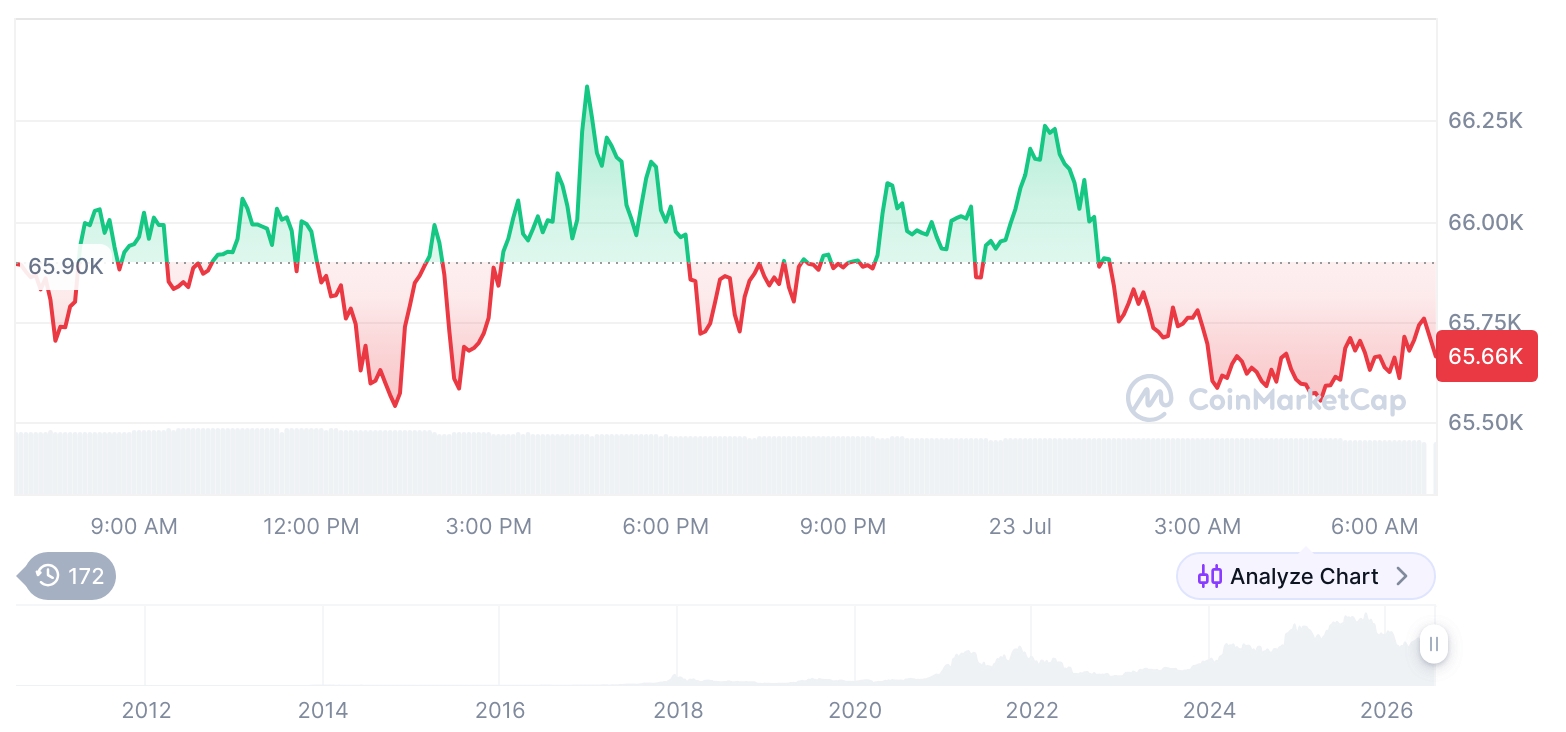
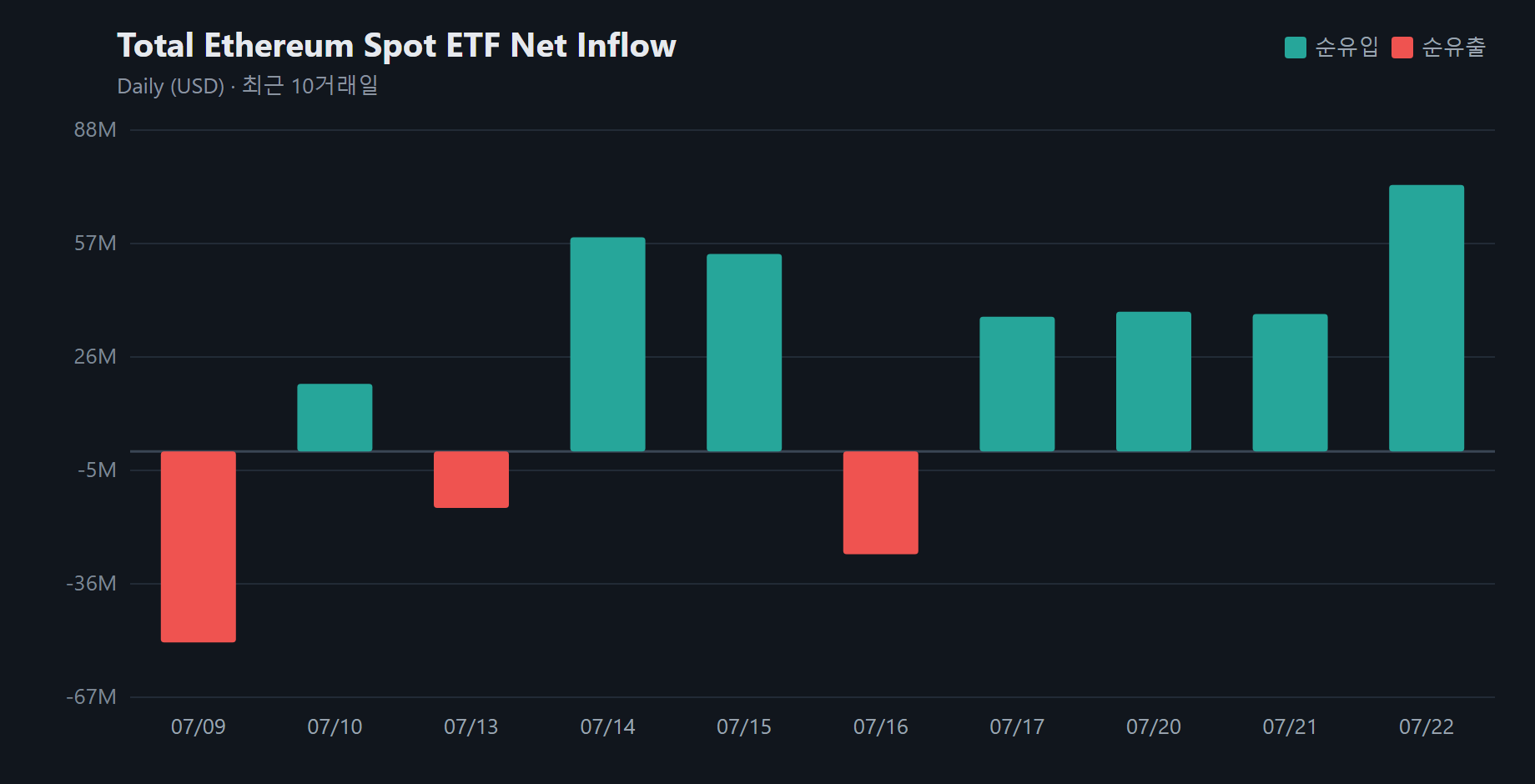
Still, market behavior suggests the bond-market signal has not yet translated into broad-based de-risking in crypto. U.S. spot Bitcoin ETFs recorded about $1 billion of net inflows over the past seven trading sessions, indicating renewed ‘institutional demand’ rather than capitulation. In practice, this may reflect a view that the TIPS move is either temporary, already priced in, or less influential than liquidity conditions and risk sentiment in equity markets.
The bigger near-term risk, analysts say, is second-order contagion: if higher real yields accelerate outflows from growth and technology equities, volatility could spill over into cryptocurrencies. BTC has increasingly traded as a high-beta risk asset during macro-driven selloffs, even as long-term holders emphasize its distinct monetary properties.
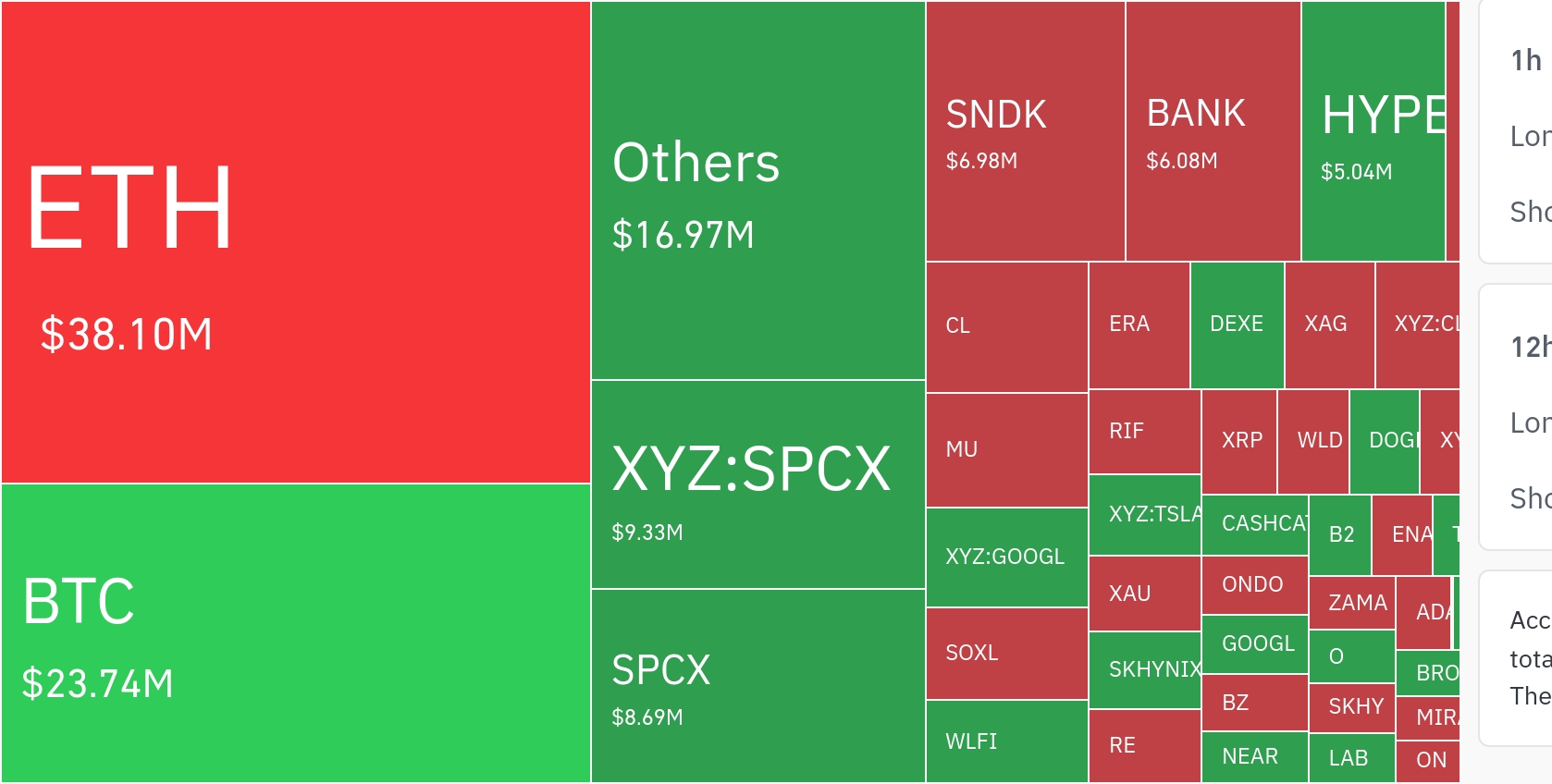
Separately, the market is also digesting a structural shift in crypto derivatives. BitMEX’s decision to wind down its business marks the exit of an early pioneer that helped popularize perpetual futures—an offshoot that became central to crypto trading. The development underscores a broader consolidation trend as derivatives markets evolve from niche innovation to volume-driven commoditized products where scale, liquidity, and compliance infrastructure can determine survival.
As competition narrows to a handful of large, well-capitalized venues, the episode highlights how ‘regulatory compliance’ and ‘institutionalization’ are becoming defining benchmarks for the next phase of crypto market structure. For exchanges that cannot scale or differentiate, the pressure to merge, exit, or retrench is likely to intensify—particularly if macro conditions continue to tighten risk appetite.
For Bitcoin, the message from rising TIPS yields is clear: the asset’s resilience may increasingly depend on sustained inflows and conviction that its unique properties can compete—not just with fiat debasement fears, but with an unusually attractive, government-backed real return alternative.



















Comment 0