

 News
News  Coin Information
  About us
  Customer Service


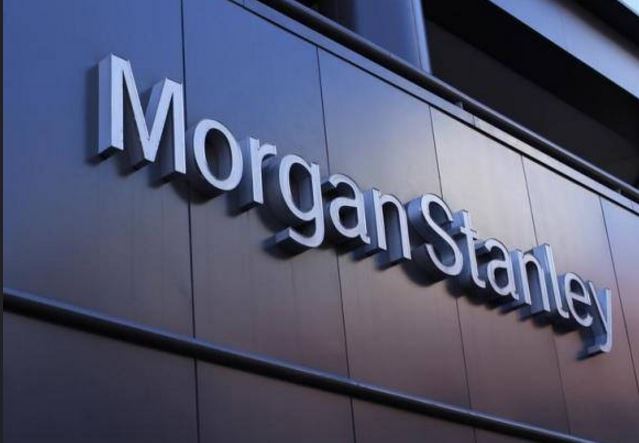
Morgan Stanley has officially filed an application with the U.S. Office of the Comptroller of the Currency (OCC) to establish a crypto-focused national trust bank, signaling a major step in institutional adoption of digital assets. According to OCC records, the application was received on February 18, 2026, and the public comment period remains open through March 20.
The proposed entity, Morgan Stanley Digital Trust National Association, would be headquartered in Purchase, New York, and operate with full trust powers under a holding company structure. If approved, the bank would function as an indirect wholly owned subsidiary of Morgan Stanley Capital Management and focus on regulated digital asset custody and fiduciary services.
This move highlights Morgan Stanley’s continued expansion into the cryptocurrency market. The Wall Street giant recently applied to launch crypto ETFs offering exposure to Bitcoin, Ethereum, and Solana. It is also planning to introduce a crypto wallet supporting custody and tokenized assets, alongside crypto trading services for E-Trade clients. Additionally, the firm has already enabled wealth management clients to access Bitcoin investments through exchange-traded funds.
Unlike traditional banks, the proposed national trust bank would not accept FDIC-insured deposits. Instead, it would provide fiduciary administration, digital asset custody, safekeeping services, and related transactions such as buying, selling, transferring, and staking cryptocurrencies on behalf of clients. The OCC has clarified that national trust banks can conduct both fiduciary and certain non-fiduciary activities without taking deposits.
Morgan Stanley joins other major crypto firms pursuing federal trust charters. Ripple, Circle, and Crypto.com have secured conditional approvals, while Coinbase and World Liberty Financial are still awaiting regulatory decisions.
If approved, Morgan Stanley’s trust charter could further legitimize regulated crypto custody services and accelerate institutional participation in the digital asset ecosystem.












Comment 0