
 Add as a preferred source on Google
SEC Unveils ‘Reg Crypto’ Framework as CLARITY Act Stalls
The U.S. Securities and Exchange Commission (SEC) has proposed its long-awaited Regulation Crypto Assets, or “Reg Crypto,” framework, introducing new rules for certain crypto investment contracts as the CLARITY Act re…

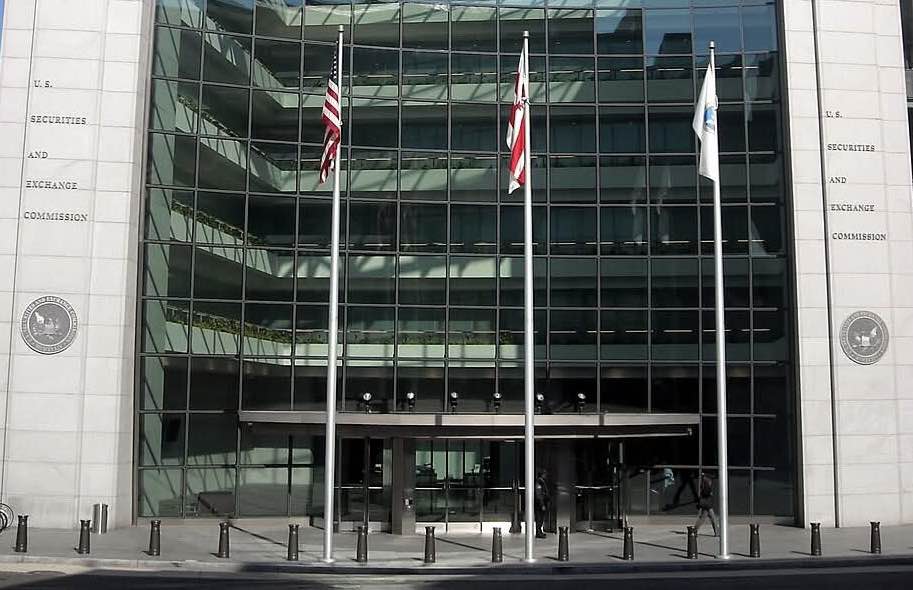
The U.S. Securities and Exchange Commission (SEC) has proposed its long-awaited Regulation Crypto Assets, or “Reg Crypto,” framework, introducing new rules for certain crypto investment contracts as the CLARITY Act remains stalled in the Senate.
The proposal builds on the SEC’s March 2026 interpretation explaining how federal securities laws apply to certain crypto assets and related transactions. It also follows the regulator’s cancellation of an August meeting that was expected to address the proposed crypto rules.
A key part of the SEC Reg Crypto framework is the creation of two exemptions from registration requirements under the Securities Act of 1933. The first would allow eligible issuers to conduct offerings of up to $5 million over a four-year period.
The second exemption would permit offerings of up to $75 million within any 12-month period. Issuers relying on either exemption would need to provide investors with principles-based narrative disclosures. Companies using the larger exemption would face additional requirements, including providing financial statements and complying with ongoing reporting obligations.
The SEC proposal also introduces a conditional safe harbor concerning the definition of an “investment contract” under the Securities Act of 1933 and Securities Exchange Act of 1934. If specified conditions are satisfied, certain crypto assets connected to investment contracts may not themselves be treated as securities.
Additionally, the framework would preempt certain state securities registration and qualification requirements for securities offerings covered by the exemptions, along with specified secondary-market transactions.
The proposed crypto regulation will now enter a 60-day public comment period, allowing investors, crypto companies, industry groups and other stakeholders to provide feedback before the SEC considers final rules.
The development comes as the crypto industry continues waiting for broader legislative clarity from Congress. The SEC is also expected to introduce separate Innovation Exemption rules for tokenized stocks, although those measures were reportedly delayed to avoid potential conflicts with provisions of the CLARITY Act.
Riza Dagoc
Riza Dagoc reports on regulation, investing and the digital-asset business for TokenPost. Send corrections or tips to info@tokenpost.com.