

 News
News  Coin Information
  About us
  Customer Service


 Add as a preferred source on Google

U.S. financial regulators have moved to tighten oversight of stablecoin issuers, unveiling a draft rule that would subject them to bank-like customer due diligence—an escalation that could reshape how dollar-pegged tokens are issued, distributed, and monitored across the crypto market.
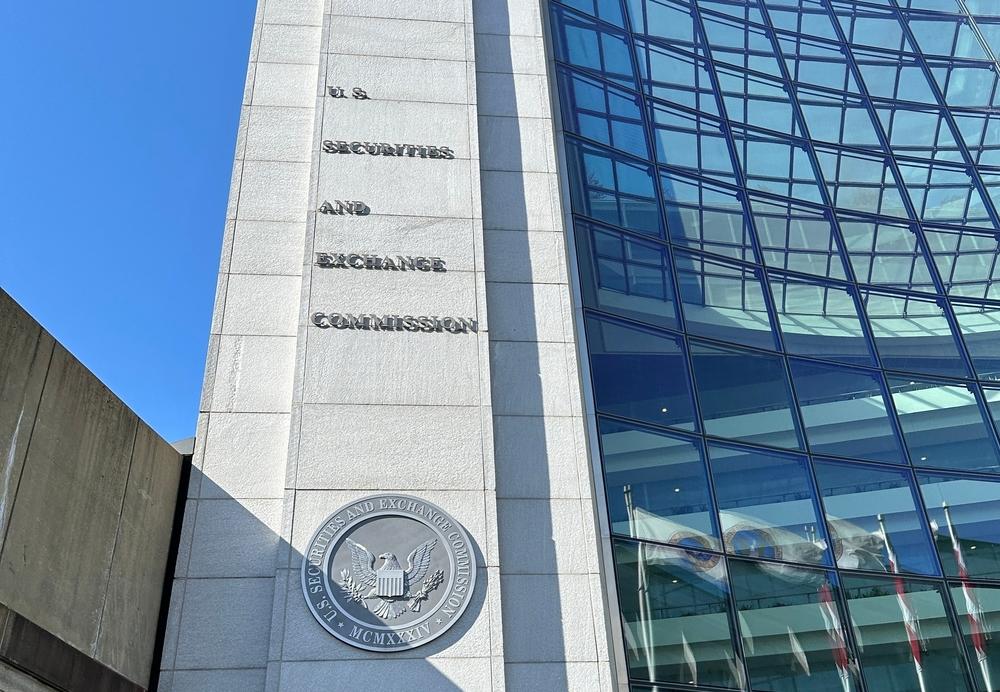
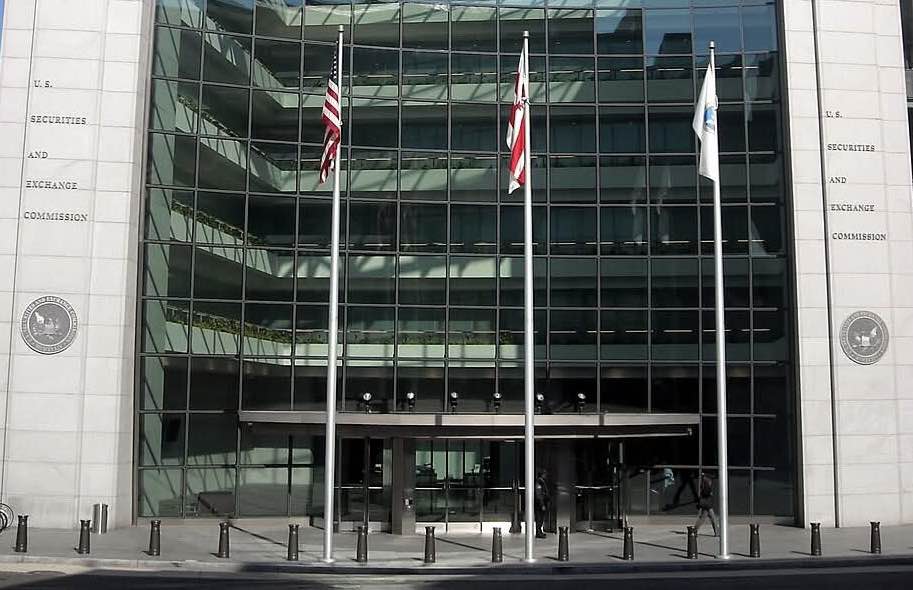
According to PANews, the Federal Reserve and the U.S. Treasury, alongside other agencies, jointly released a proposed set of implementing rules for the ‘GENIUS Act.’ The draft would require stablecoin issuers to comply with the Bank Secrecy Act, including stringent ‘KYC’ requirements, retention of customer identity records such as names and addresses, and screening against terrorism and sanctions lists. The proposal has entered a 60-day public comment period, after which regulators are expected to finalize the framework and set an official compliance timeline.
Federal Reserve Vice Chair for Supervision Michael Barr warned that existing guardrails are not sufficient to address illicit finance risks tied to secondary-market stablecoin trading—signaling that regulators are increasingly focused not only on issuance but also on how stablecoins circulate once they hit exchanges and payment networks.
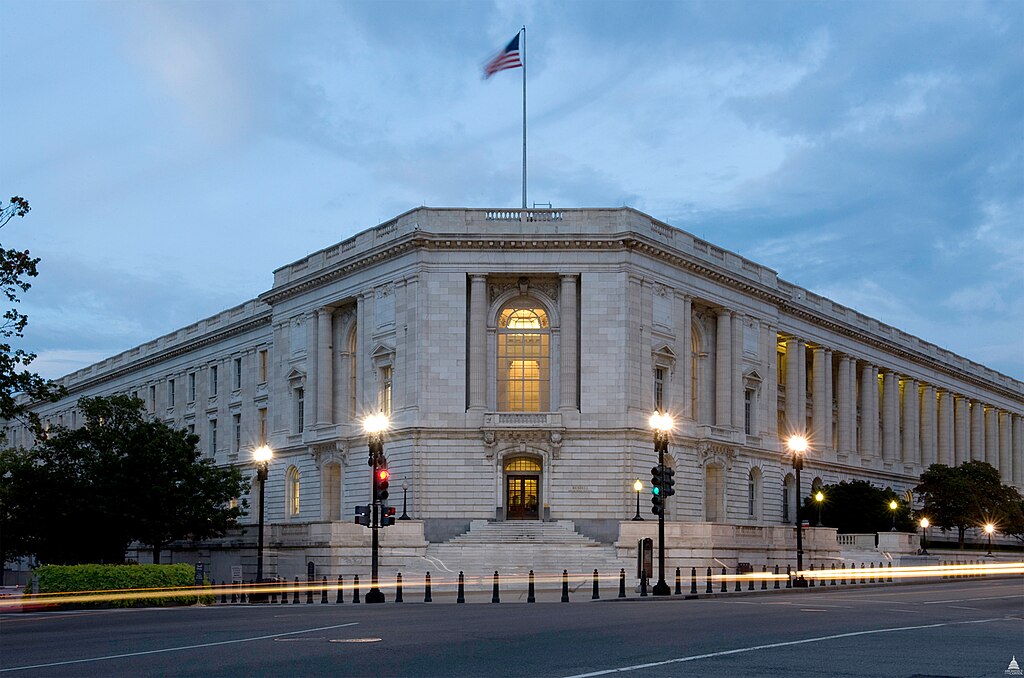
In Washington, lawmakers are also preparing another push for broader crypto rulemaking. A report citing Punchbowl said U.S. senators plan to meet next week in an effort to finish a ‘Bitcoin clarity’ bill before Congress breaks for its August recess. While details were not fully disclosed, the legislation is widely viewed by market participants as part of a larger attempt to reduce ‘regulatory uncertainty’ that has weighed on U.S.-based crypto products and institutional participation.
Against the backdrop of policy headlines, U.S.-listed altcoin spot ETFs recorded modest inflows on Wednesday U.S. Eastern Time. Data cited by Odaily from SoSoValue showed spot Solana (SOL) ETFs posted $2.9895 million in net inflows on June 18 ET, with all of the day’s inflow attributed to the Bitwise Solana Staking ETF (BSOL). The report put BSOL’s cumulative net inflows at $892 million. Total net assets across U.S. SOL spot ETFs were estimated at $794 million, with SOL exposure representing 1.96% of the category, while cumulative net inflows across products reached $1.131 billion.
Spot XRP (XRP) ETFs also saw net inflows of $2.5454 million on June 18 ET, again driven solely by a Bitwise-branded product, according to the same dataset cited by Odaily. Cumulative net inflows for the Bitwise XRP ETF were reported at $476 million. Total net assets across XRP spot ETFs were estimated at $995 million, with an XRP net-asset ratio of 1.39%, while category-wide cumulative net inflows reached $1.447 billion.
Broader crypto markets, however, showed signs of stress. Ethereum (ETH) slid below the $1,700 level, with OKX pricing cited by PANews showing ETH trading at $1,698.51 on June 18 ET, down 4.21% on the day. As prices weakened, leveraged positioning was flushed out: Watcher.Guru reported roughly $180 million in long liquidations across the crypto market over the most recent 60-minute window, a move that traders often associate with ‘short-term volatility’ spikes as forced selling accelerates drawdowns.
Concerns around Ethereum’s ecosystem funding also resurfaced. U.Today cited former Ethereum Foundation contributor Trent Van Epps as warning that Ethereum’s core development function could face a gradual funding crunch within the next three to nine months. Van Epps attributed the risk to reduced foundation spending and the end of the Client Incentive Program (CIP), estimating that sustaining the core development ecosystem requires roughly $30 million annually. He argued that the Ethereum Foundation was never designed to serve as a permanent steward of the network, and that new institutions and funding mechanisms may be needed to maintain long-term resilience.
Mining economics continue to pressure the Bitcoin (BTC) supply side. JPMorgan, cited by Wu Blockchain, said Bitcoin mining profitability has deteriorated in 2026, with BTC trading below the bank’s estimated all-in production cost for five consecutive months. JPMorgan pegged the implied production cost at around $78,000 and estimated that roughly 20% of miners are currently operating unprofitably. Publicly listed miners sold more than 32,000 BTC in the first quarter of 2026 to raise operating capital—already exceeding their total BTC sales for all of 2025. The bank warned that a prolonged period below production cost could lead to greater volatility in hashrate and mining difficulty, with more frequent adjustments as weaker operators reduce capacity.
In South Korea, major exchanges expanded token offerings. Upbit said it will list nine tokens—Peaq (PEAQ), Litentry (LIT), Kamino (KMNO), Morpho (MORPHO), Gram (GRAM), Lido DAO (LDO), Pax Gold (PAXG), Osmosis (OSMO), and AMP (AMP)—on its BTC and USDT markets, with trading set to begin at 06:00 UTC on June 19. Separately, Bithumb announced plans to list the RE token on its Korean won market, with trading scheduled to start at 06:00 UTC on June 19, a move that typically increases accessibility for domestic retail participants.
With regulators sharpening stablecoin compliance expectations while lawmakers pursue clearer statutory definitions for crypto assets, the market is navigating a policy-heavy summer—one in which ‘on-chain liquidity’ and institutional product flows remain sensitive to both price volatility and the pace of U.S. rulemaking.





















Comment 0