

 News
News  Coin Information
  About us
  Customer Service




Canada’s labor market delivered a major upside surprise in July, adding 75,000 jobs against economists’ expectations of roughly 15,000. The stronger-than-expected Canada jobs report contrasted sharply with weakening US employment data, potentially reshaping interest rate expectations and the outlook for Bitcoin and the broader crypto market.
Full-time and part-time employment gains were almost evenly divided. Ontario led the expansion with 52,000 new jobs, while finance, insurance, and real estate gained 18,000 positions. Professional, scientific, and technical services added another 17,000. These sectors are particularly relevant to Canada’s growing digital asset industry because they represent important sources of crypto and fintech employment.
Canada has now created 181,000 jobs since April, marking three consecutive months of employment growth. The unemployment rate also declined to 6.4%, strengthening signs that the labor market may be stabilizing.
The US jobs report painted a much weaker picture. Payrolls fell by 23,000 in July despite forecasts for an increase of around 80,000 to 90,000. Revisions also removed another 103,000 jobs from May and June estimates. Although the US unemployment rate remained significantly lower than Canada’s at 4.1%, the contrasting employment trends could influence monetary policy expectations.
Strong Canadian hiring combined with wage growth of just 2.8% gives the Bank of Canada room to remain patient on interest rates. Meanwhile, declining US payrolls could make additional Federal Reserve tightening increasingly difficult to justify. Traders quickly repriced Fed expectations following the disappointing US data, reinforcing the possibility of easier financial conditions.
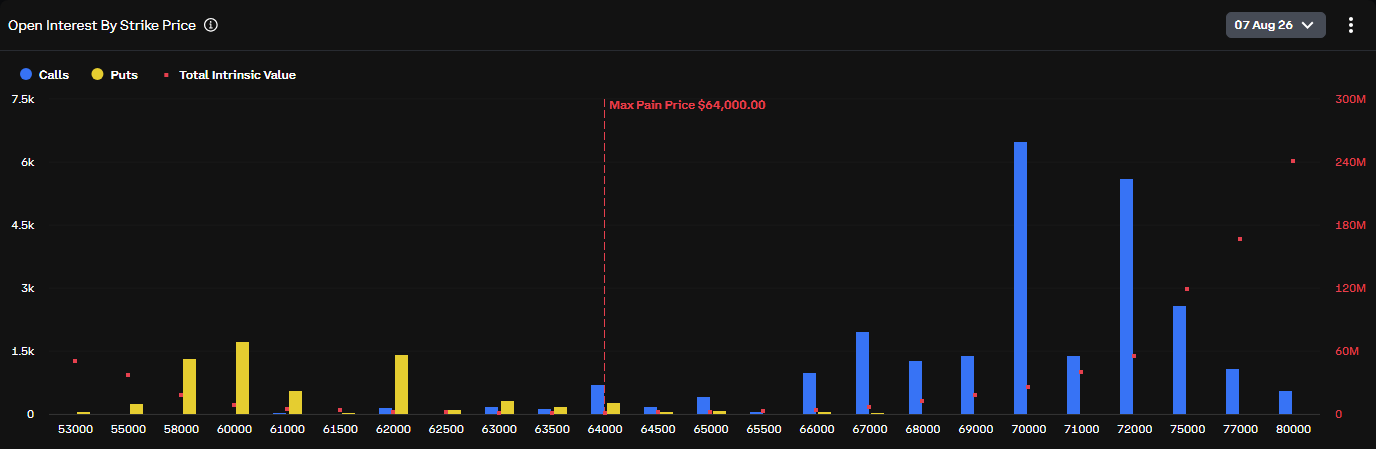
Bitcoin traded near $65,000 following the reports, gaining about 0.8% over 24 hours. Weaker US economic data can support crypto prices when investors interpret it as increasing the likelihood of looser monetary policy and greater market liquidity.
Canada could also benefit from its evolving crypto regulatory environment. The country previously launched the world’s first spot Bitcoin ETF and is preparing a regulatory framework for fiat-backed stablecoins, expected to take effect in 2027. Coinbase is among the major crypto companies positioning for those changes.
Upcoming Canadian stablecoin regulations and August employment reports will provide the next clues about whether the Canada-US economic divergence is becoming a lasting trend—and what that could mean for Bitcoin and the crypto industry.
















Comment 0