

 News
News  Coin Information
  About us
  Customer Service




The Bitcoin network has officially crossed the halfway point of its current halving cycle, with roughly 105,000 blocks remaining before the next reward reduction. When block 1,050,000 is reached — projected for April 2028 — the block reward will fall from 3.125 BTC to 1.5625 BTC, cutting daily miner issuance from around 450 BTC to approximately 225 BTC.
Built into Bitcoin's code since its inception, this supply-reduction mechanism triggers every 210,000 blocks, or roughly every four years. It forms the backbone of Bitcoin's scarcity model. With nearly 19.7 million of the 21 million maximum supply already mined, each halving carries greater weight — and over 98% of all Bitcoin is expected to be in circulation by 2030.
Historically, Bitcoin's most significant price rallies have unfolded 12 to 18 months after each halving event. The pattern held across the 2012, 2016, 2020, and 2024 halvings, though gains have moderated with each cycle as the market matures. Past trends, of course, are no guarantee of future performance.
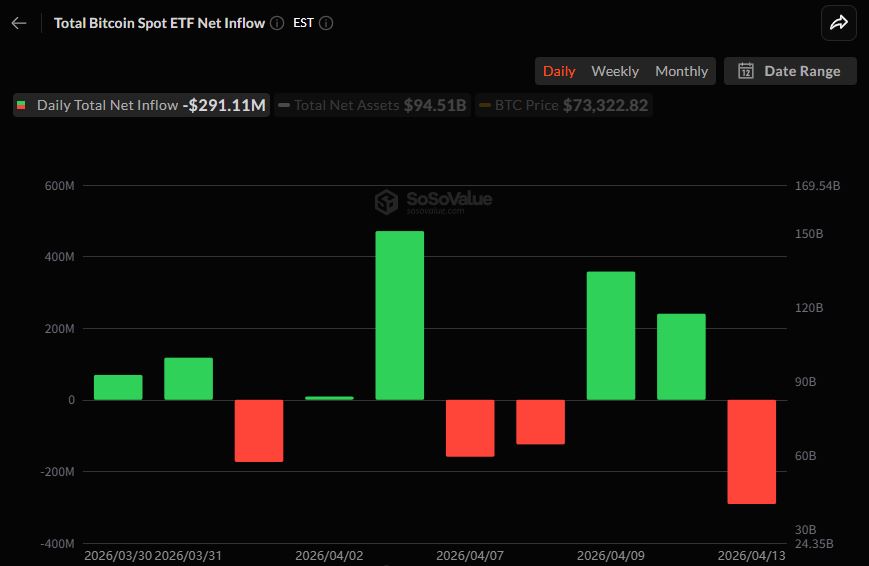
What makes the current cycle stand out is the presence of institutional capital at a scale never seen before. U.S.-listed spot Bitcoin ETFs now collectively hold more than 1.3 million BTC, valued near $92 billion. These vehicles bring in long-term investors — pension funds, financial advisors, and family offices — who tend to hold rather than trade. At the same time, Strategy has accumulated over 780,000 BTC, consistently absorbing more than miners produce each month.
This convergence of shrinking supply and structural institutional demand creates a market dynamic that previous cycles simply did not have. For miners, the countdown also signals an urgent need to cut costs and upgrade equipment ahead of the revenue drop. With two years remaining, the 2028 halving is already shaping how the market thinks about Bitcoin's long-term value.
















Comment 0