

 News
News  Coin Information
  About us
  Customer Service


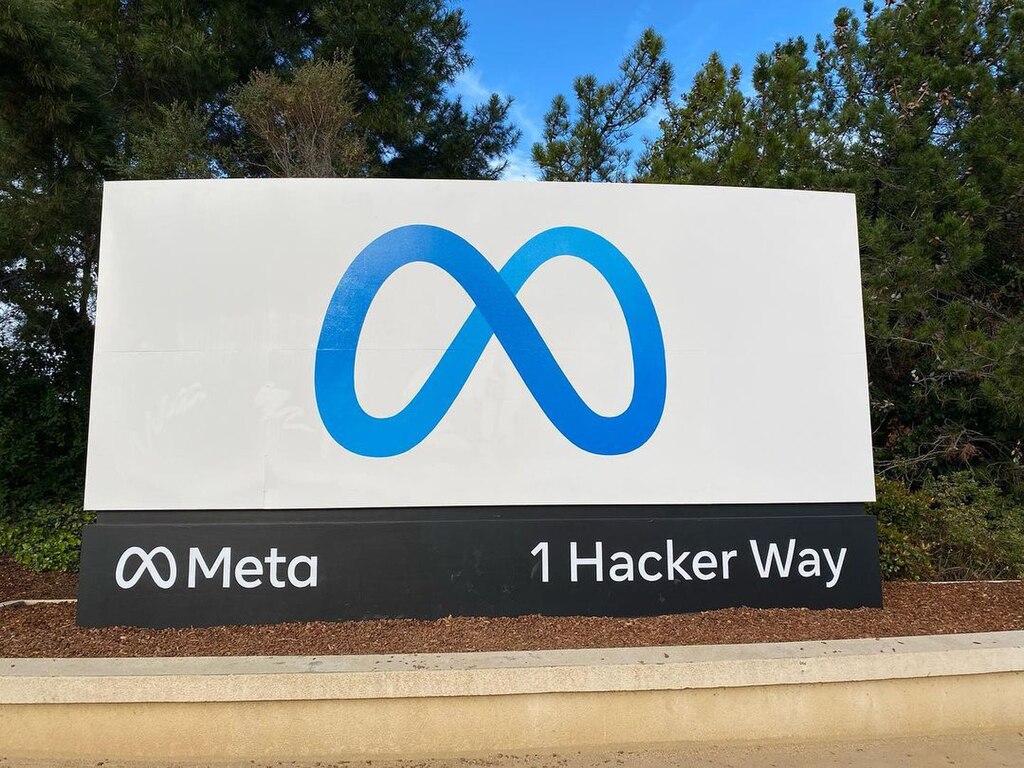
Meta’s decision to introduce USDC creator payouts in the Philippines and Colombia marked another major step toward mainstream stablecoin adoption. With plans to expand the service to more than 160 countries, the move demonstrates growing confidence in blockchain-based payments. For a company that distributes billions of dollars annually to creators, using stablecoins for cross-border payments offers faster settlement, lower transaction costs, and greater efficiency than traditional banking systems.
However, while stablecoin payments solve many issues related to international money transfers, they do not fully address the challenges users face after receiving funds. Meta’s system allows creators to receive USDC through external wallets on networks such as Solana and Polygon. Once the payment is delivered, users are responsible for managing their assets, securing their wallets, and converting digital dollars into local currency when needed.
For creators in countries like the Philippines and Colombia, this process can still involve multiple steps. Funds often need to be transferred to a cryptocurrency exchange, verified through compliance procedures, converted into fiat currency, and withdrawn through local banking channels. These additional stages can introduce fees, delays, and complexity, reducing some of the benefits offered by instant blockchain settlement.
The issue is especially important in emerging markets where creator economies are expanding rapidly. In the Philippines, for example, digital payment platforms such as GCash and Maya are already widely used for everyday purchases. Although stablecoin payouts offer a faster way to receive earnings, access to reliable and affordable off-ramp services remains inconsistent across different regions.
Meanwhile, major card networks are approaching stablecoin integration differently. Mastercard’s acquisition of BVNK strengthens its stablecoin settlement capabilities across more than 130 markets, while Visa’s partnership with Bridge enables stablecoin-linked cards that automatically convert digital assets into spendable fiat currency. This model removes much of the complexity from the user experience by keeping blockchain infrastructure largely invisible.
As stablecoin transaction volumes continue to grow, the future of digital payments will depend not only on settlement speed but also on seamless integration with existing financial systems. The companies that succeed will be those that make stablecoins easy to use through banking apps, payment cards, and merchant networks without requiring users to navigate crypto-related processes.
Meta’s rollout represents meaningful progress for blockchain payments, but broader adoption will depend on solving the final challenge: turning stablecoin balances into everyday spending power with minimal friction. As competition intensifies, user-friendly financial integration may prove more important than transaction speed alone.












Comment 0