

 News
News  Coin Information
  About us
  Customer Service


 Add as a preferred source on Google
AI ‘agents’ are moving beyond autocomplete-style coding to take on end-to-end responsibility for software delivery—from implementation and deployment to incident response—reshaping how modern development organizations allocate work and accountability.
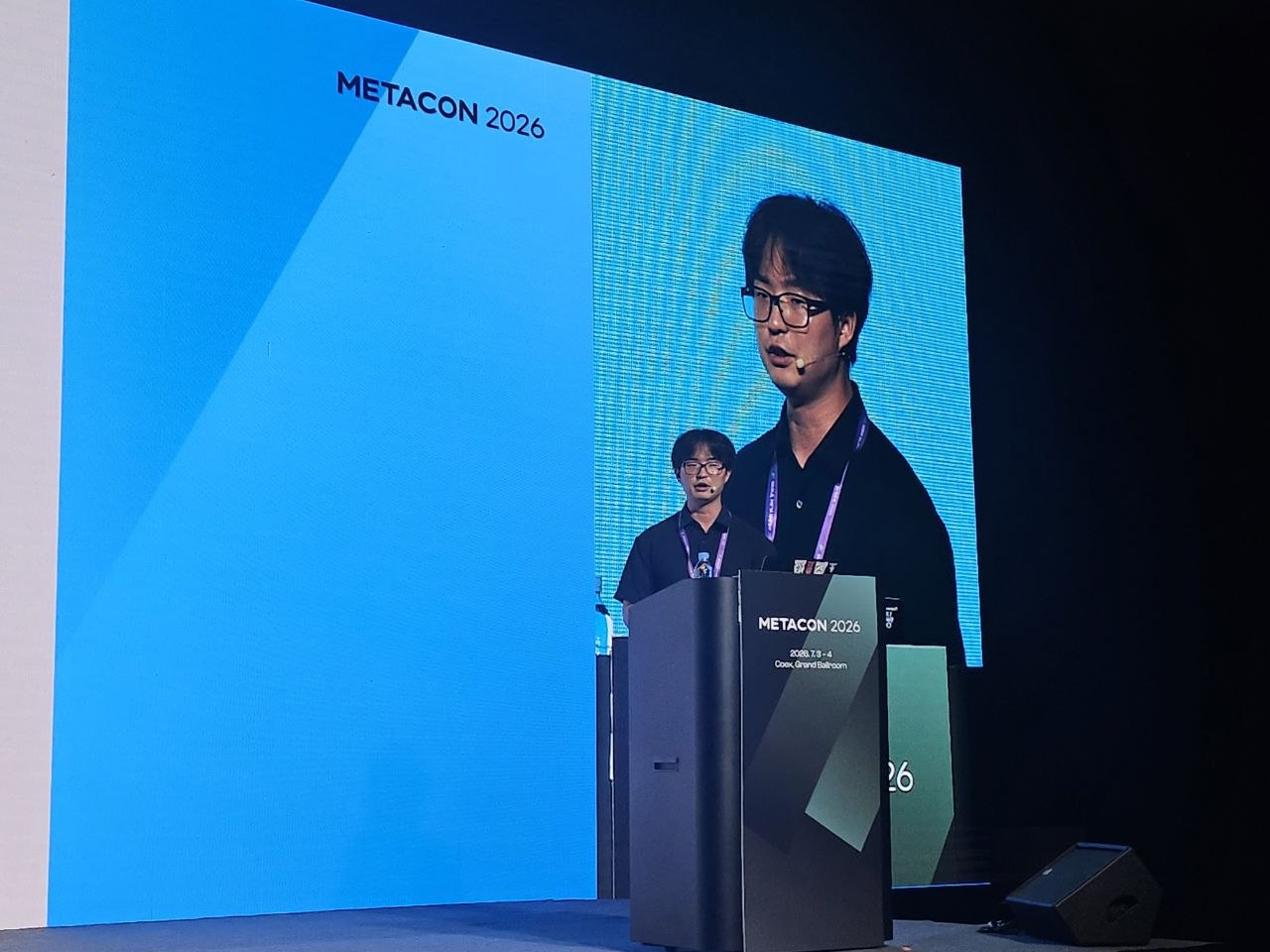
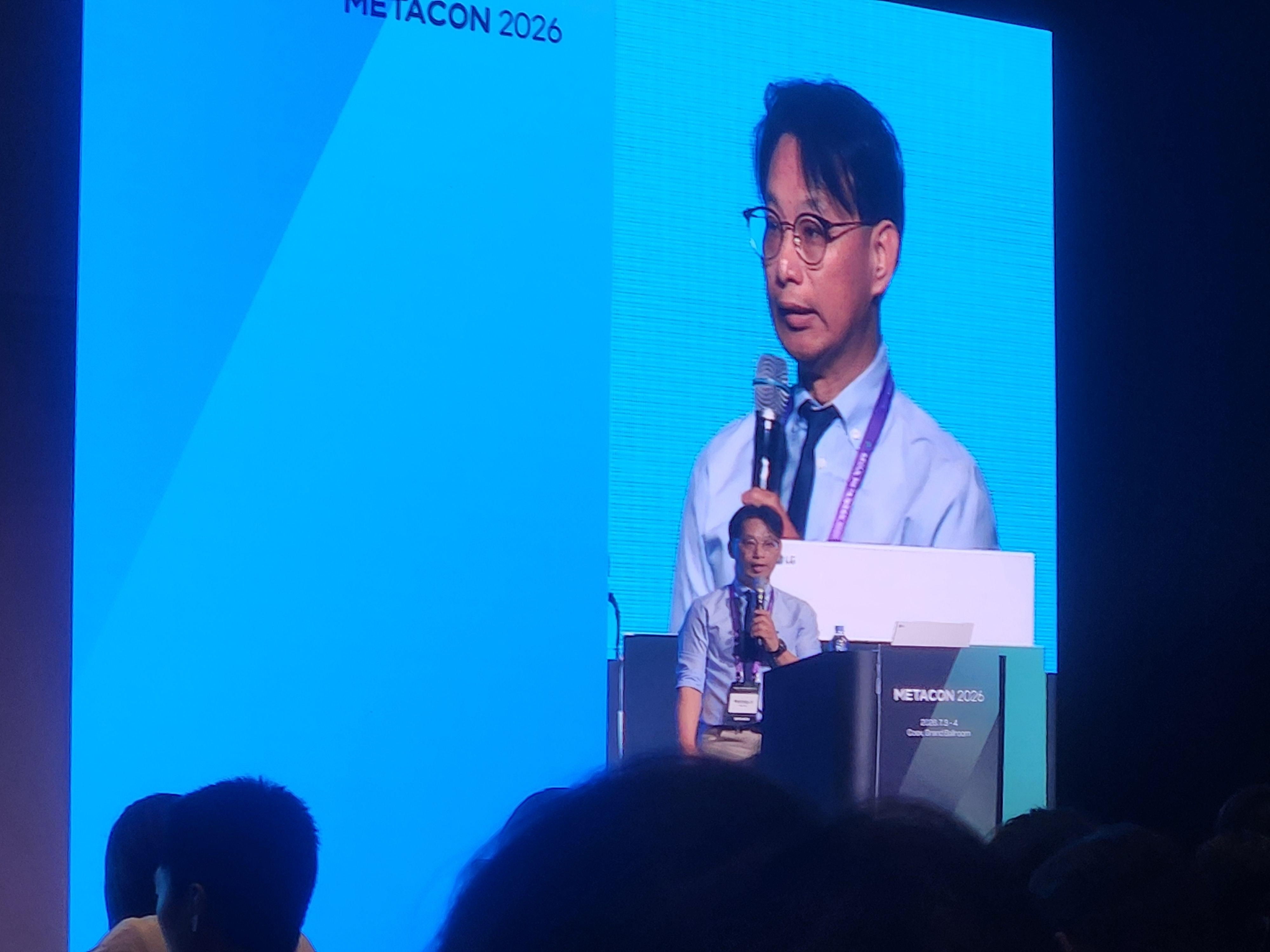
That shift was highlighted on Friday ET at Metacon 2026, a major AI conference held in Seoul, where Seung-hyun Jung, a developer at RIT Corporation, presented a case study titled “The Ultimate Vibe Coding: How Hermes Agent Runs an Entire Project”. Jung described how his team has embedded an AI agent—dubbed Hermes Agent—across the software lifecycle, pushing human roles away from repetitive execution and toward higher-stakes decision-making, verification, and ownership.
According to Jung, traditional software development requires people to manually manage every phase—planning, analysis, design, implementation, testing, deployment, and maintenance—with operations and debugging consuming a disproportionate share of time. His organization has instead begun assigning discrete segments of the “development loop” to AI agents, gradually expanding the agent’s scope as reliability improves.
A core differentiator of Hermes Agent, he said, is its ‘self-improving’ design. The agent repeatedly learns from tasks and conversations, then converts hard-won operational knowledge into reusable ‘skills’—documents that codify procedures and know-how for specific workflows. Once created, these skills become the basis for repeatable execution, allowing the agent to run recurring tasks with less prompting and greater consistency.
To prevent knowledge sprawl, Hermes includes a curator function that cleans up the skill library over time by deleting outdated items or merging redundant ones, Jung noted. He added that the system also supports parallel agent execution and scheduled runs, while incorporating safeguards such as human approval gates for sensitive actions and rollback-ready environments through version control.
The most immediate impact, Jung argued, is operational automation. Hermes can triage GitHub issues and tickets, generate and refine code, and open pull requests (PRs). It also performs routine cloud log monitoring to detect anomalies and propose remediation paths—tasks that historically required operators to sift through massive volumes of telemetry during outages.
In one example from backend operations, Jung said the agent aggregates the previous 60 minutes of logs, removes noise, reconstructs request flows, and produces a structured analysis—summarizing likely root causes, recommended fixes, and potential side effects—directly inside a PR. “In an hour, roughly 25,000 logs accumulate, but the actual errors may be around six,” he said, arguing that converting only the relevant signals into actionable tasks helps humans reach decisions faster and with more confidence.
Jung also described how agent use is spreading beyond engineering to non-technical teams, including brand discovery, research, and report writing. In some cases, non-developers are using agents to generate and publish HTML-based reporting pages, signaling a shift in how internal deliverables are packaged and distributed. “Reports are changing from documents into products,” he said, framing automation as an operating-model change rather than a simple efficiency upgrade.
In his closing remarks, Jung emphasized that increased automation does not eliminate people, but changes what they are responsible for. “AI does the ‘labor,’ while humans take the ‘responsibility,’” he said, arguing that the human role increasingly centers on intent-setting, approval, and accountability—especially when automated systems affect production environments.
He stressed that ‘observability’ is non-negotiable in agent-driven operations, warning that “automation without observability is like driving with your eyes closed.” To maintain control, his team monitors dashboards and Slack-based reporting while continuously reviewing failures and refining prompts and skills. Metrics such as automated throughput, human intervention rates, error classification accuracy, time-to-fix recommendations, and per-task cost should be tracked over time, he added.
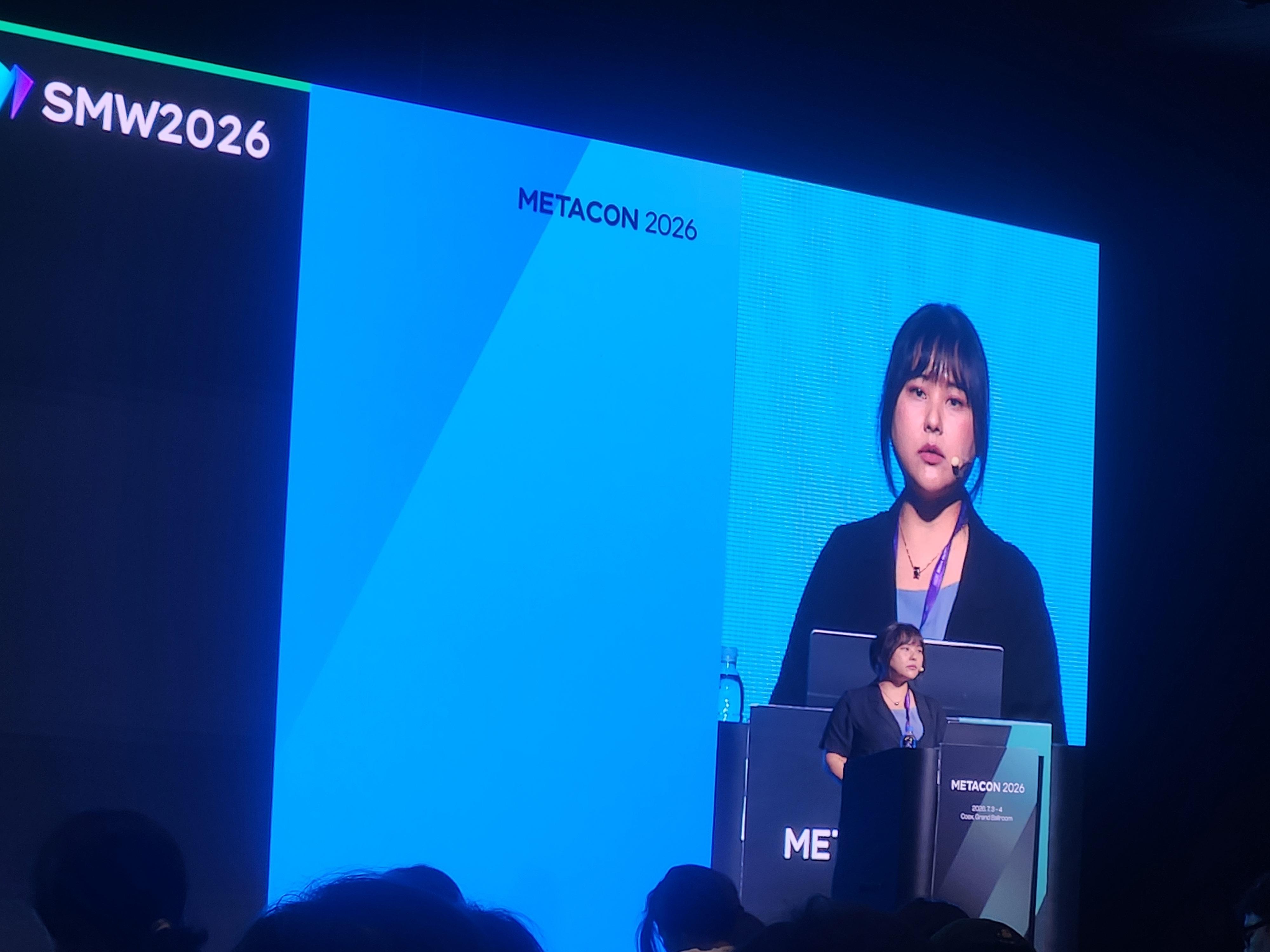
Metacon 2026, hosted by TV Chosun and co-organized by TokenPost, ran from Thursday to Friday ET at COEX in Seoul under the theme “AI Makers Rise,” showcasing practical strategies and execution case studies for turning AI capabilities into measurable outcomes across industries.



















Comment 0