

 News
News  Coin Information
  About us
  Customer Service


 Add as a preferred source on Google

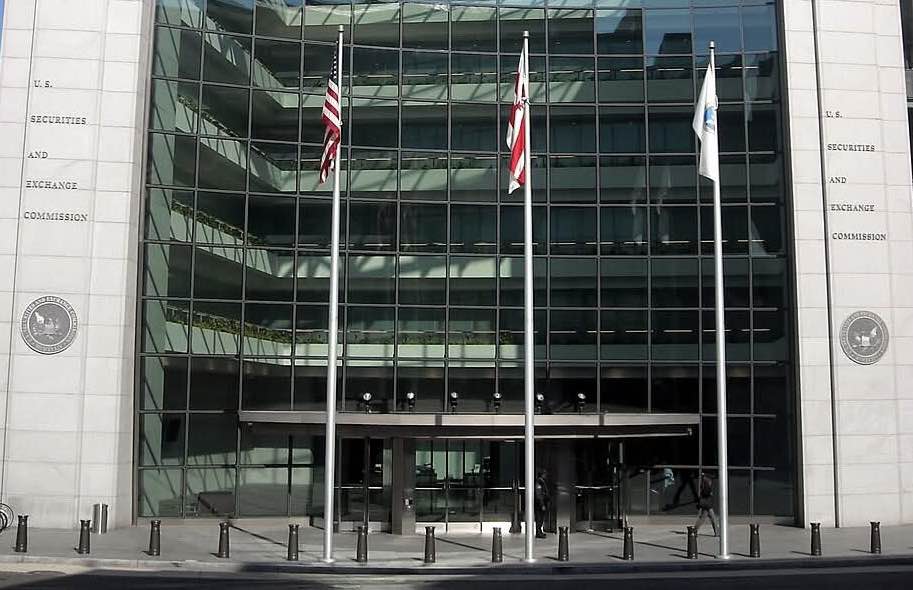
The failure of the Digital Asset Market CLARITY Act in the U.S. Senate has left Congress without a comprehensive crypto market structure framework, but federal regulators are moving ahead with their own efforts to establish clearer rules for digital assets.
The CLARITY Act sought to define categories of crypto assets and establish clearer jurisdiction between the Securities and Exchange Commission and Commodity Futures Trading Commission. A central provision would have expanded the CFTC’s authority over crypto commodity spot markets, while providing greater certainty about when digital assets fall under securities laws.
Without the legislation, the SEC and CFTC are increasingly relying on their existing statutory powers to address regulatory gaps.
SEC Chairman Paul Atkins has accelerated the agency’s digital asset agenda following Congress’ failure to advance CLARITY. On September 17, the SEC introduced an “Innovation Exemption” providing temporary, conditional regulatory relief for certain venues trading tokenized U.S. stocks onchain. Atkins described the initiative as a bridge toward more durable rulemaking.
The move builds on earlier SEC and CFTC efforts. In March, the agencies issued a joint interpretation establishing a crypto asset taxonomy and clarifying how federal securities laws apply to certain digital assets and transactions.
The SEC is also pursuing broader crypto regulations covering token offerings and blockchain-based market infrastructure. However, Atkins has repeatedly stressed that agency action cannot provide the same permanence as legislation. In August, he said congressional legislation remained “indispensable” for creating durable crypto rules that future regulators would find harder to reverse.
Meanwhile, CFTC Chairman Michael Selig has been advancing the derivatives regulator’s digital asset agenda. The agency has already established a pathway for regulated crypto perpetual futures and has been developing a broader regulatory framework for blockchain and crypto markets.
Together, SEC and CFTC initiatives could recreate parts of the framework envisioned by CLARITY. But without legislation, U.S. crypto regulation remains more dependent on agency interpretations, exemptions and rulemaking, leaving questions about how durable the framework will be under future administrations.















Comment 0