

 News
News  Coin Information
  About us
  Customer Service



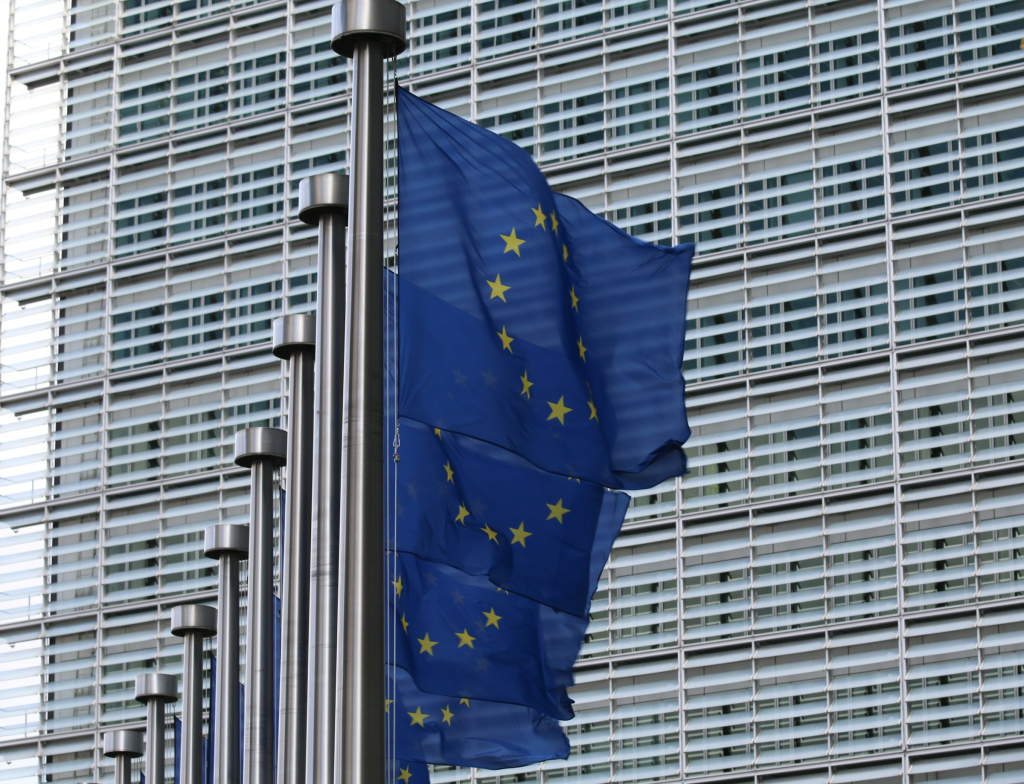
The European Union’s Markets in Crypto-Assets (MiCA) regulation has entered a new phase as its transitional grandfathering period officially ended on July 1, requiring crypto-asset service providers (CASPs) without full MiCA authorization to stop operating across the bloc. While the landmark crypto regulation is now fully in effect, European policymakers are already evaluating potential updates to ensure the framework remains competitive as the global digital asset industry evolves.
The European Commission launched a consultation in May to determine whether MiCA continues to meet the needs of the rapidly changing cryptocurrency market. The review comes as jurisdictions such as the United States and Hong Kong have introduced their own digital asset frameworks, creating new benchmarks for crypto regulation.
Patrick Hansen, Circle’s Director of EU Strategy and Policy, said the review should be viewed as a natural evolution rather than a sign that MiCA has failed. As the world's first comprehensive cryptocurrency regulatory framework, MiCA was always expected to undergo periodic revisions to keep pace with innovations in crypto assets and stablecoins.
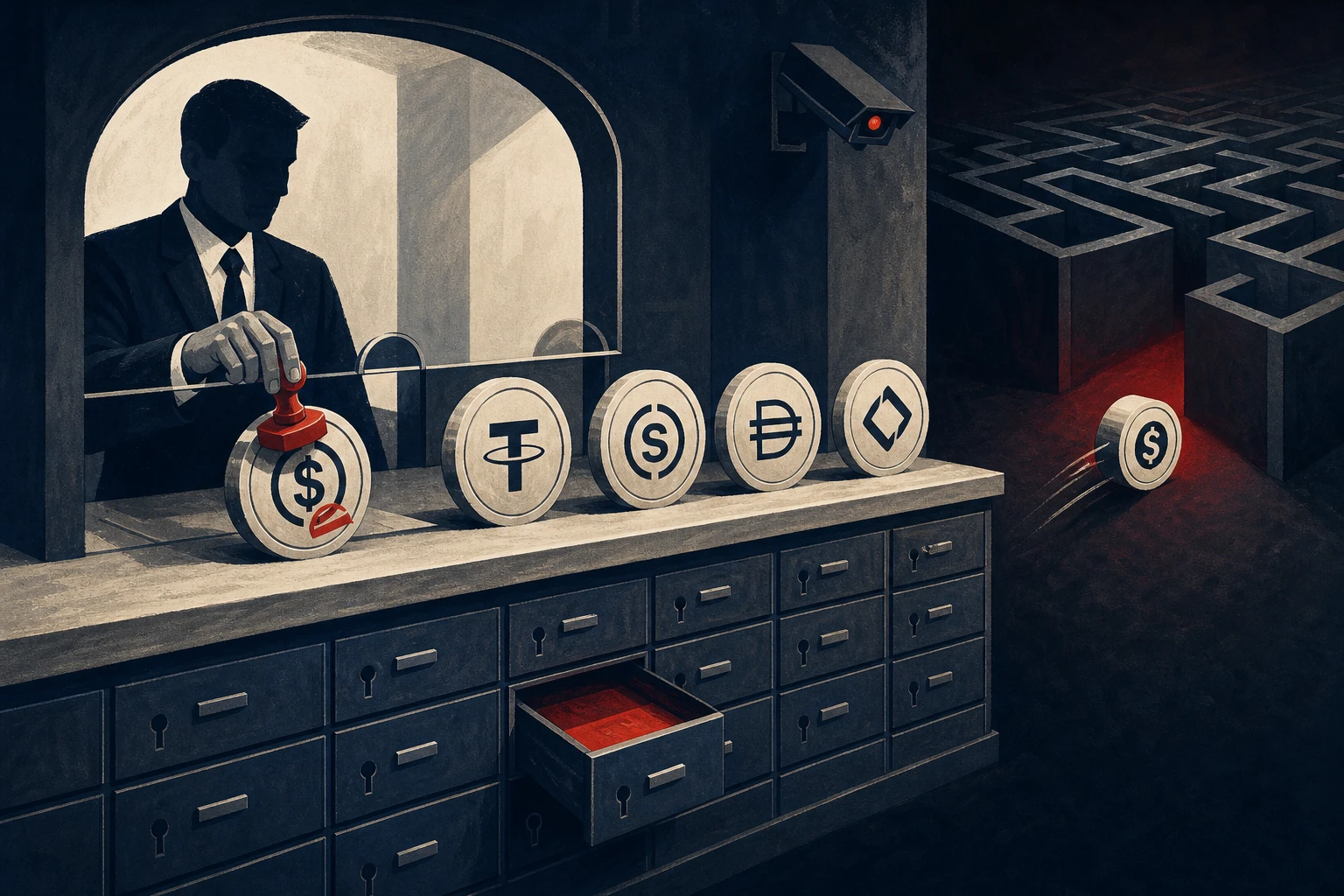
One of the key areas under examination is stablecoin regulation. When MiCA was drafted between 2020 and 2023, regulators focused primarily on supervising crypto exchanges and other CASPs. Since then, stablecoins have become a major component of global digital payments, prompting lawmakers worldwide to refine their regulatory approaches.
Eva Legler, counsel for financial institutions regulatory at Skadden, noted that stablecoins were not as widely adopted during MiCA's development, making exchanges and service providers the primary concern at the time. Today, however, the growing importance of stablecoins has shifted regulatory priorities.
Despite ongoing discussions, MiCA has delivered many of its original objectives. Approximately 20 euro-denominated stablecoins have already received authorization under the framework, helping strengthen confidence in regulated digital assets across Europe.
Industry experts, however, believe certain provisions could be improved. Hansen highlighted reserve requirements that mandate minimum bank deposits as one area deserving further refinement. He also argued that future policy should encourage greater international cooperation by allowing digital assets regulated in one jurisdiction to circulate in another through mutual recognition agreements rather than fragmented regional rules.
The EU’s status as an early mover in crypto regulation presented unique challenges, as lawmakers had few international examples to reference while developing MiCA. With more mature regulatory models now emerging globally, policymakers have additional experience to draw upon when considering amendments.
Sebastian Barling, partner for financial institutions regulatory at Skadden, described the Commission’s review as a serious effort to ensure Europe’s crypto framework remains internationally competitive while maintaining strong investor protections.
One major proposal under consideration is the creation of a third-country equivalence regime, which would allow the EU to recognize certain foreign regulatory systems. Such a mechanism could enable internationally regulated stablecoins to be listed on European exchanges while preserving oversight standards.
The Commission is also examining multi-issuance structures for stablecoins. Although these arrangements are currently permitted, regulators are considering stronger redemption safeguards to protect consumers from liquidity disruptions and cross-border financial stress.
Barling warned that forcing issuers to maintain separate liquidity pools across multiple jurisdictions could reduce the efficiency that makes stablecoins attractive for global payments and financial services.
Attention is also expanding beyond stablecoins as blockchain technology increasingly supports the tokenization of real-world assets, including securities, real estate, and other financial instruments. Experts believe tokenization could become the next major focus of European crypto regulation.
Ultimately, the European Commission aims to strike a balance between encouraging innovation, attracting global liquidity, and maintaining the consumer protections that have established MiCA as a leading regulatory framework for digital assets. As amendments are considered, reducing risk while supporting industry growth will remain a central objective for Europe's evolving cryptocurrency regulatory landscape.















Comment 0