

 News
News  Coin Information
  About us
  Customer Service


 Add as a preferred source on Google

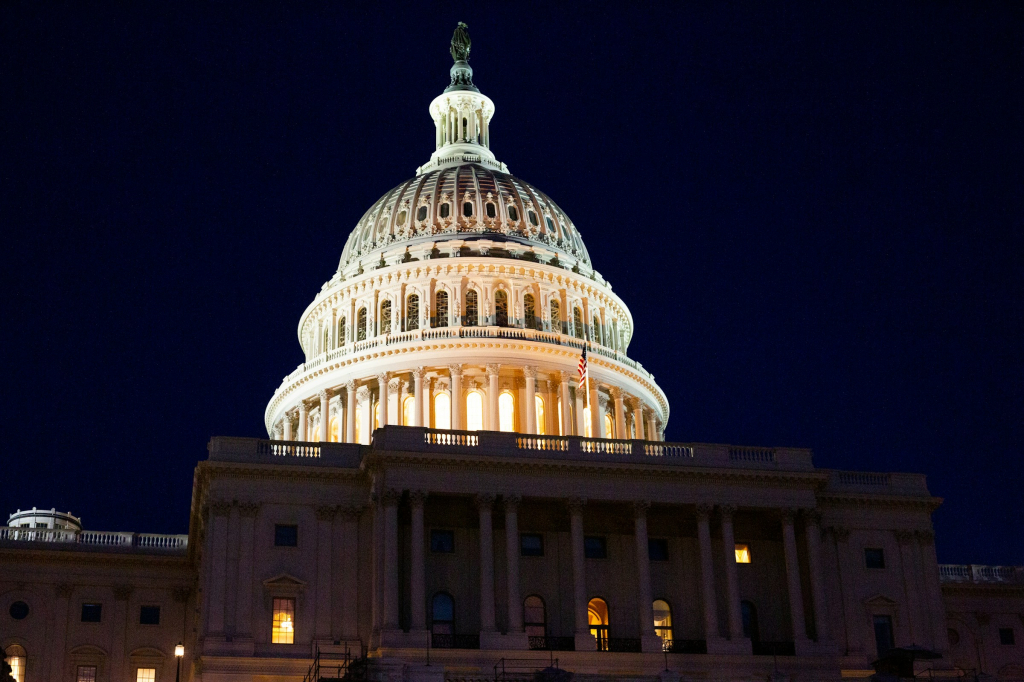
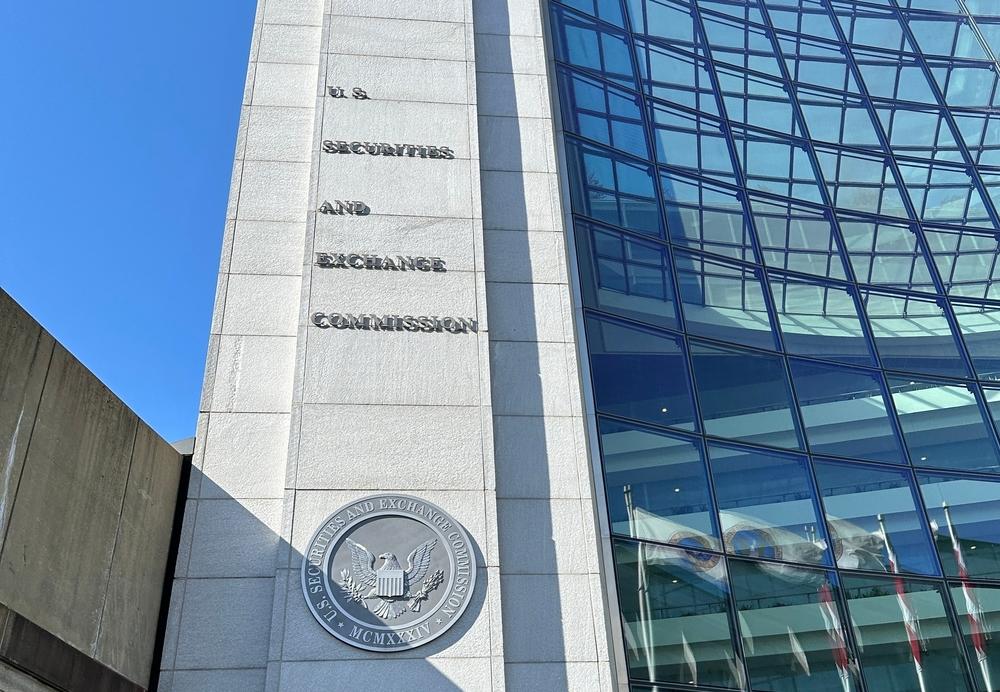
The Trump administration says it remains optimistic that a sweeping ‘crypto clarity’ bill could be passed by July 4, a timeline that—if achieved—would mark one of the most consequential federal moves toward a coherent U.S. regulatory framework for digital assets in years.
According to reporting cited by journalist Pete Rizzo, a White House official said the administration is making “major progress every day” and is “still optimistic” about meeting the July 4 target. The comments come as lawmakers, regulators, and industry participants continue to debate how to define the legal treatment of cryptocurrencies, trading venues, and token issuers in the United States—an issue that has long weighed on institutional participation due to inconsistent enforcement and overlapping agency claims.
Market participants are likely to interpret any near-term legislative breakthrough as a step toward reducing ‘regulatory uncertainty’—a factor that has repeatedly influenced exchange listings, token launches, and U.S.-based product expansion. While the exact contours of the bill referenced were not detailed in the briefing, the broader implication is that Washington is again attempting to formalize rules around custody, trading, disclosures, and the classification of digital assets in a way that could reshape compliance obligations across the sector.
Separately, the U.S. Department of Commerce has signaled plans to invest more than $2 billion in quantum computing infrastructure that could eventually be capable of breaking key cryptographic systems, including those underpinning Bitcoin (BTC) and Ethereum (ETH), according to CoinDesk. The department reportedly signed letters of intent with nine quantum computing companies. IBM is expected to receive $1 billion to build a wafer production facility for quantum computing, while GlobalFoundries is slated for $375 million, with the remainder allocated across seven quantum hardware firms.
While practical, large-scale quantum attacks on modern public-key cryptography remain a longer-term threat rather than an imminent market risk, the announcement underscores how governments are treating quantum capability as strategic infrastructure. For crypto networks, the development reinforces ongoing work on ‘post-quantum’ cryptography and migration paths that, if necessary, could harden wallet signatures and core security assumptions over time. The longer the runway before quantum systems become broadly capable, the more time large networks have to upgrade—yet investors and operators are increasingly tracking the issue as more than theoretical.
On the security front, auditing firm Quantstamp said its investigation into the June 8 exploit involving Humanity Protocol’s H token found tactics and certificate-signing patterns resembling those associated with North Korea-linked hacking groups, according to information shared via Chinese crypto media. Quantstamp reported that attackers gained remote access to an executive’s device through phishing, copied wallet data and private keys, then upgraded the Ethereum-based H token contract to move roughly 141.18 million H tokens. The attacker also allegedly seized proxy admin privileges on BNB Smart Chain and minted additional H tokens. Quantstamp said Humanity Protocol commissioned the investigation and released the findings publicly.
In Africa, Zimbabwe is introducing a registration regime for crypto service providers, requiring annual registration with a $500 fee, Reuters reported. Finance Minister Mthuli Ncube said all entities involved in the buying, selling, transferring, or custodying of crypto assets must register each year with the Financial Intelligence Unit, an anti-money laundering body under the country’s central bank. Operating without registration will be treated as illegal, representing Zimbabwe’s first dedicated regulatory framework for the crypto sector after years of legal ambiguity.
The move comes against a backdrop of persistent currency instability and high inflation. Zimbabwe previously barred financial institutions from participating in crypto transactions in 2018, yet demand for digital assets and cross-border value transfer has continued to rise as citizens seek alternatives for savings and remittances.
Meanwhile, Standard Chartered offered a bullish medium-term view on Bitcoin (BTC), arguing the market’s bear-cycle low formed near $59,000. The bank said “winter is over” and described a return of ‘crypto spring,’ according to Bitcoin Magazine—language that reflects a more constructive institutional stance after a period of macro-driven volatility and risk-off positioning across global markets.
In tokenized equities, Binance Wallet said it canceled the SPCXx IPO due to factors outside its control, according to PANews. Binance will fully refund participants’ deposited USD Coin (USDC) via the original payment method and plans an airdrop worth around $1 million in bStocks SpaceX tokens (SPCXB) based on participation. Binance described SPCXB as a tokenized security pegged 1:1 to SpaceX shares, with underlying shares held by a regulated custodian and proof-of-reserves provided, and said it intends to list the token later on its spot market.
Binance also announced it will list the SPCXB/USDT spot trading pair on June 12 at 17:00 UTC, with spot algorithmic trading bot support. Deposits and withdrawals for SPCXB are expected to open on June 13 at 13:30 UTC. The smart contract address provided for BNB Smart Chain is 0xbe9D156892E55e7154BcD3cB0FEA677F9D3103E1.
In parallel, Ondo Finance said SpaceX tokenized asset SPCXon would be listed on its Ondo Global Markets on its first day of trading, adding that the product supports Solana (SOL), Ethereum (ETH), and BNB Chain. The update reflects accelerating competition among platforms seeking to capture demand for ‘real-world asset’ tokenization—an area that proponents argue could improve settlement speed and broaden global market access, while skeptics point to jurisdictional constraints and investor-protection challenges.
Gate also said it completed the allocation for its SpaceX (SPCX) share offering and has officially opened stock trading, describing the launch as the first project under its IPO Access program. The exchange said it will run user incentives including yield benefits on designated USDT products, holding rewards, and trading rewards. Gate added it supports web-based stock trading and allows users to trade more than 10,000 U.S.-listed stocks and ETFs using USDT.
Finally, crypto data provider Blockworks has acquired rival Messari, according to PANews, though financial terms were not disclosed. The deal could reshape competition in the crypto research and data segment as platforms race to consolidate proprietary datasets, institutional subscription revenue, and brand authority in an increasingly crowded market for analytics and narrative-setting.
Together, the developments highlight a fast-evolving landscape: Washington signaling urgency on ‘regulatory clarity,’ governments investing in next-generation computing with long-term security implications, and exchanges pushing further into tokenized equities and traditional-asset access—while security risks and industry consolidation remain persistent themes for the market’s next phase.





















Comment 0