

 News
News  Coin Information
  About us
  Customer Service


 Add as a preferred source on Google

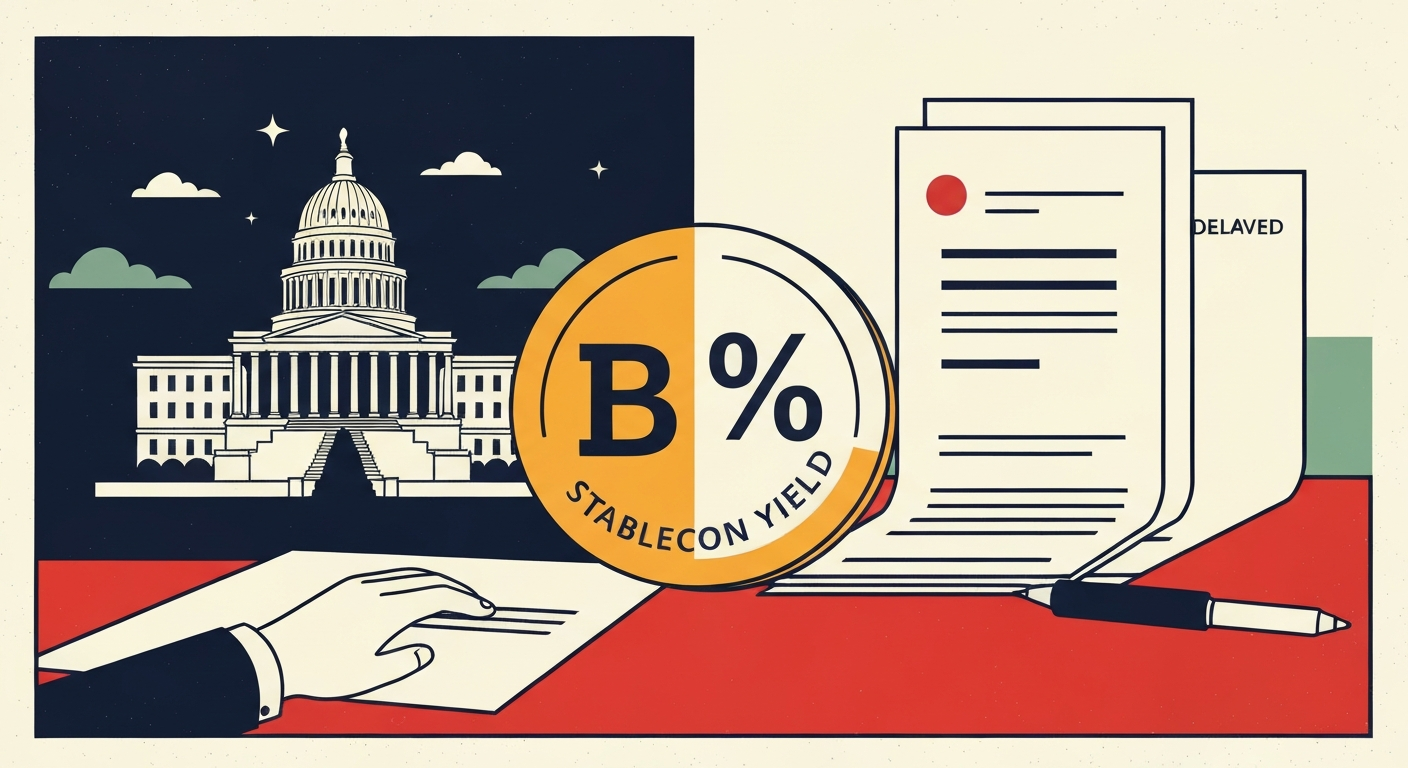
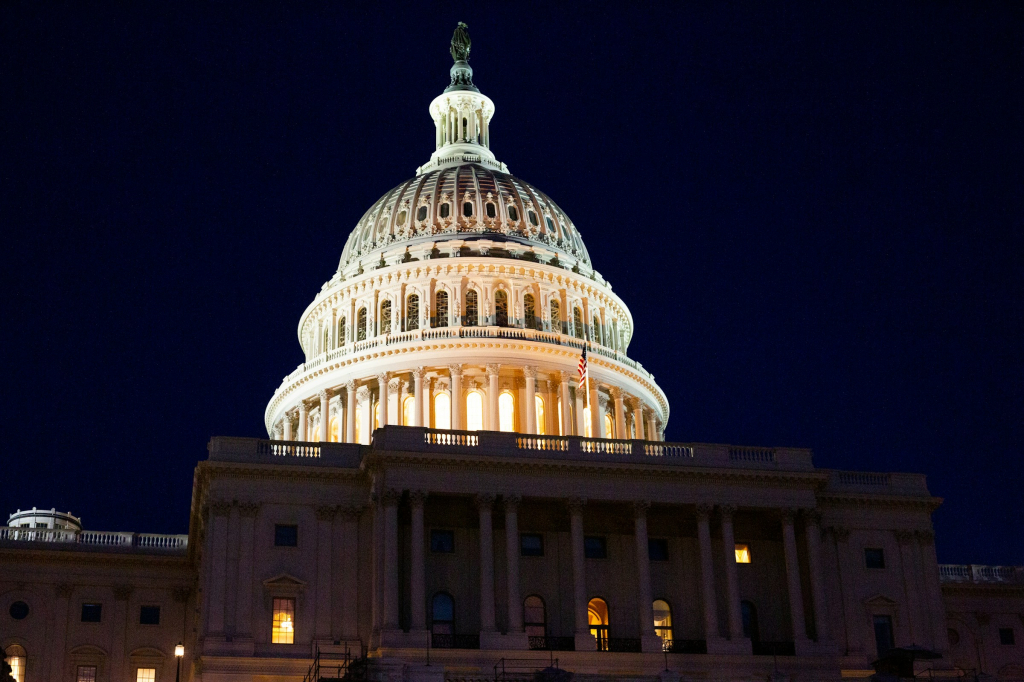
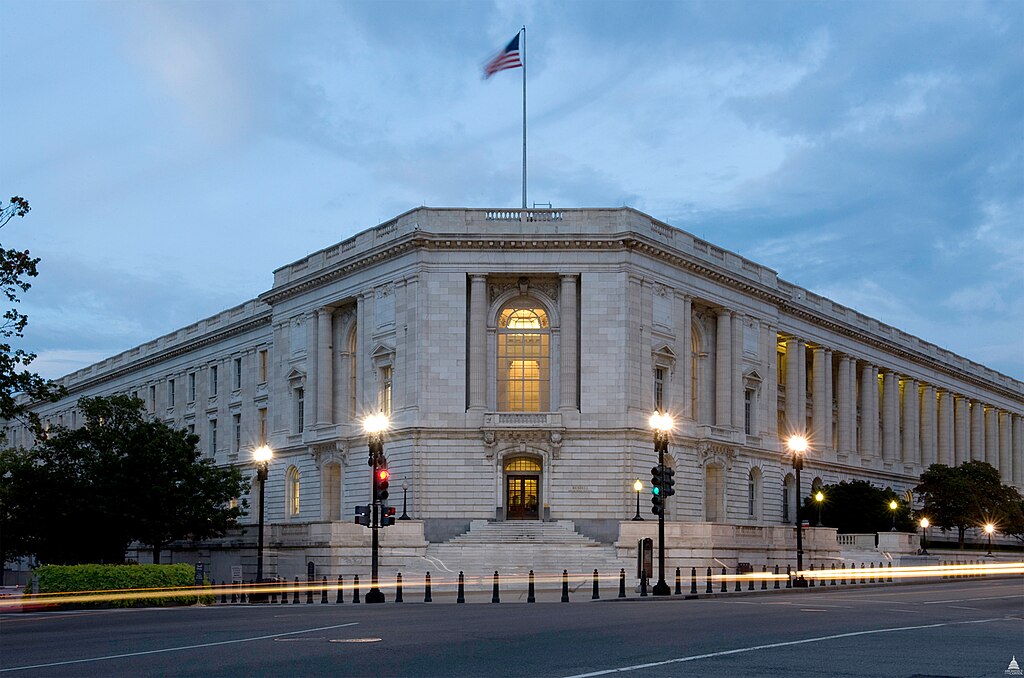
The U.S. Senate Banking Committee has advanced a sweeping digital-asset market structure proposal—often referred to as the ‘Clarity’ bill—setting the stage for a broader Senate vote and intensifying expectations that Washington could soon deliver a more unified rulebook for crypto trading, custody, and token classification.
According to local reports, the committee approved the legislation by a 15–9 vote during a recent markup, sending it to the full Senate for consideration. The bill seeks to clarify how digital assets are categorized, how trading platforms are supervised, and which market-structure rules should apply across spot markets—an area that has long been defined by regulatory overlap and enforcement-driven interpretations in the U.S.
Lawmakers from both parties argued that a consistent federal framework is increasingly urgent. Supporters cited estimates that roughly 68 million Americans hold digital assets, while a substantial share of trading activity has migrated to offshore venues, underscoring the risk that U.S. investors participate in markets with looser oversight. If enacted, the bill would be viewed as a companion piece to the ‘Genius’ stablecoin effort, aiming to fill gaps beyond payment tokens and provide clearer boundaries for exchanges, brokers, and token issuers.
The push for clarity comes as market positioning remains sensitive to regulatory headlines and ETF flow data. On-chain trackers reported fresh net outflows from U.S. spot Bitcoin (BTC) ETFs totaling 3,638 BTC, alongside 9,603 ETH in net outflows from spot Ether products. In contrast, Solana (SOL) ETFs reportedly logged net inflows of 2,859 SOL, reflecting diverging risk appetite across major assets.
Payments and settlement infrastructure also continued to move toward crypto rails. Watcher.Guru reported that Mastercard ($MA) received approval in New York to operate certain virtual-asset and stablecoin payment infrastructure, a notable development given the state’s comparatively stringent regulatory environment. The approval could help Mastercard expand compliant payment services in one of the most closely monitored U.S. jurisdictions.
Block ($XYZ) is also expanding stablecoin functionality inside Cash App, according to reporting that described a phased rollout of USDC support. The feature enables USDC deposits and withdrawals, moves funds between external wallets and Cash App balances, and allows stablecoins to be used as a settlement method. The supported networks include Solana, Ethereum (ETH), Polygon (POL), and Arbitrum (ARB). The capability has been made available to roughly 25% of users so far, with plans to broaden access to all users within the week. While Block CEO Jack Dorsey has historically emphasized a Bitcoin-centric approach, the addition suggests rising consumer and merchant demand for stablecoin-based payments and transfers.
Traditional market plumbing is also inching toward tokenized securities. PANews, citing CoinDesk, reported that DTCC—the dominant U.S. post-trade clearing and settlement firm—plans to integrate its tokenized securities platform with the Stellar network in the first half of 2027. If implemented, tokenized stocks, ETFs, and U.S. Treasuries held within DTCC’s infrastructure could become tradable on Stellar, while the partners explore broader support for on-chain issuance, settlement, and lifecycle management for conventional securities. High-liquidity assets, including major equity indices and U.S. Treasuries, are among the instruments under consideration for deeper tokenization experiments.
Derivatives markets, meanwhile, showed signs of stress typical of a leverage-heavy environment. CoinAnk data cited by PANews put total crypto futures liquidations over the past 24 hours at about $314 million, with long liquidations accounting for roughly $273 million versus about $41 million for shorts. Bitcoin liquidations totaled around $103 million, while Ethereum liquidations were approximately $53.9 million—figures that suggest downside moves or volatility spikes forced a wave of automated position closures.
In corporate crypto holdings, a Bloomberg segment referenced by commentator Pete Rizzo on X fueled renewed speculation around SpaceX’s treasury exposure. Rizzo claimed SpaceX has accumulated Bitcoin over multiple years and holds roughly $1.3 billion worth without selling, describing it as a ‘strategic reserve asset.’ SpaceX has not publicly confirmed the details.
Stablecoin access in tightly regulated markets also expanded. PANews reported that Robinhood has enabled USDC trading for users in New York, a jurisdiction known for strict oversight of virtual-asset services. The move may improve stablecoin availability for local users while signaling that major retail platforms are increasingly willing to navigate state-by-state compliance to meet demand.
On the industry self-regulation front, a new ‘Transparency Alliance’ led by Blockworks has launched with participation from more than 40 crypto companies, including Coinbase ($COIN), Kraken, and Binance.US. The initiative aims to standardize token disclosure practices, using Blockworks’ token transparency framework to cover areas such as issuance structures, insider allocations, market-maker arrangements, listing terms, and buyback or redemption mechanics. Reports said 44 projects—among them Morpho, Jupiter, Spark, and dYdX—have already registered, positioning the effort as a bid to raise ‘institutional-grade’ disclosure standards amid heightened regulatory scrutiny.
Finally, synthetic-dollar protocol Falcon Finance has launched a stablecoin for U.S. dollar payments called fUSD in partnership with Anchorage Digital Bank and CeFu, according to Wu Blockchain. fUSD is issued by Anchorage Digital and is designed to align with U.S. OCC reserve standards, the report said. Falcon Finance currently supports USDf, with an estimated circulating supply valued at about $1.58 billion, highlighting continued demand for dollar-linked liquidity across both regulated and on-chain ecosystems.
Together, the Senate committee vote and the flurry of payments, tokenization, and disclosure initiatives point to a market increasingly shaped by compliance and infrastructure—where regulatory ‘clarity’ could influence everything from ETF flows and retail access to how Wall Street institutions bring real-world assets on-chain.
🔎 Market Interpretation
- U.S. policy momentum: The Senate Banking Committee’s 15–9 advancement of the “Clarity” market-structure bill signals rising odds of a unified federal framework for token classification, trading, custody, and spot-market oversight—reducing today’s regulator overlap and enforcement-led rulemaking.
- Regulation as a market driver: Crypto pricing and positioning remain highly sensitive to policy headlines and ETF flow data, evidenced by reported net outflows in U.S. spot BTC and ETH ETFs alongside inflows in SOL-related products—suggesting selective risk-taking rather than broad risk-on.
- Payments rail shift: Mastercard’s New York approval and Block’s USDC expansion in Cash App highlight accelerating integration of stablecoins into mainstream payment/settlement workflows, especially where compliance hurdles are highest.
- TradFi tokenization trajectory: DTCC’s plan to connect its tokenized securities platform with Stellar (targeting 1H 2027) underscores an incremental but consequential move toward on-chain issuance/settlement for high-liquidity markets (e.g., equities, ETFs, U.S. Treasuries).
- Leverage stress remains: ~$314M in 24h futures liquidations (longs dominant) reflects a leverage-heavy market structure where volatility can rapidly cascade via automated liquidations.
- Institutional/treasury narrative: Unconfirmed reporting around SpaceX allegedly holding ~$1.3B in BTC reinforces the “strategic reserve asset” storyline—important for sentiment, but not yet validated by the company.
- Self-regulation response: The Blockworks-led Transparency Alliance indicates the industry is proactively standardizing disclosure (allocations, market-making, listing terms, redemptions) to meet institutional expectations and reduce regulatory friction.
- Stablecoin product proliferation: Falcon Finance’s fUSD (issued by Anchorage Digital, reportedly aligned with OCC reserve standards) shows continued demand for regulated, dollar-linked liquidity bridging banks and on-chain ecosystems.
💡 Strategic Points
- Watch the “Clarity” bill path: Key swing factors include how it draws jurisdictional lines (e.g., SEC vs. CFTC), defines token categories, and sets requirements for exchanges/brokers/custodians—any amendments could reprice compliance risk across venues and tokens.
- ETF flows as near-term sentiment gauge: Persistent outflows in BTC/ETH products can pressure majors, while inflows in alternatives (e.g., SOL) may signal rotation rather than market-wide expansion; track changes around legislative milestones.
- NY compliance is a leading indicator: Mastercard infrastructure approval and Robinhood enabling USDC trading in New York suggest that once NY-aligned offerings scale, broader U.S. rollouts often follow—use NY approvals as a proxy for “regulatory hardening.”
- Payments adoption catalysts: Cash App’s USDC support across Solana/Ethereum/Polygon/Arbitrum could increase stablecoin velocity (deposits/withdrawals/settlement). Monitor user rollout %, transaction volumes, and merchant settlement uptake as adoption KPIs.
- Tokenization timeline management: DTCC–Stellar integration targeted for 2027 implies a multi-year runway; near-term opportunities may concentrate in pilots (lifecycle management, repo-like settlement, issuance experiments) rather than immediate mass-market trading.
- Risk control in leverage markets: Long-heavy liquidations highlight vulnerability to sharp drawdowns; consider tighter margin discipline, volatility-aware sizing, and monitoring of liquidation/oi (open interest) metrics during headline-driven periods.
- Disclosure standards as investability filter: Projects participating in transparency frameworks may gain an advantage with institutions and exchanges; evaluate tokens on disclosure of insider allocations, market-maker arrangements, and redemption/buyback mechanics.
- Stablecoin selection criteria: As new products (fUSD) emerge, compare issuer type (bank vs. non-bank), reserve standards, redemption terms, supported chains, and regulatory posture—these factors can affect depegging risk and availability on major platforms.
📘 Glossary
- Market structure bill (“Clarity” bill): Proposed legislation to define how digital assets are categorized and which rules/regulators govern trading venues, intermediaries, and spot markets.
- Markup: A legislative session where a committee debates, amends, and votes to advance a bill.
- Spot market: Trading for immediate delivery/settlement (as opposed to futures/derivatives).
- Custody: Safekeeping of digital assets, including key management and controls (often regulated for institutions).
- ETF flows (net inflows/outflows): Net creation or redemption of ETF shares that can reflect demand and influence underlying asset buying/selling.
- Stablecoin: A token designed to track a reference asset (commonly USD), used for payments, trading, and settlement.
- USDC: A widely used USD-pegged stablecoin supported across multiple blockchains.
- Tokenized securities: Traditional financial instruments (e.g., stocks, ETFs, Treasuries) represented and managed via blockchain-based tokens.
- DTCC: The Depository Trust & Clearing Corporation, a major U.S. post-trade clearing and settlement infrastructure provider.
- Stellar network: A blockchain optimized for payments and asset issuance/transfer, often used in financial integrations.
- Futures liquidations: Forced closure of leveraged derivative positions when margin is insufficient, often amplifying price moves.
- OCC reserve standards: U.S. Office of the Comptroller of the Currency-related expectations for banking safety/soundness; referenced here regarding stablecoin reserves and issuance controls.
- Token disclosure framework: Standardized reporting on token economics and market arrangements (allocations, vesting, market makers, listing terms, buybacks/redemptions) to improve transparency.















Comment 0