

 News
News  Coin Information
  About us
  Customer Service



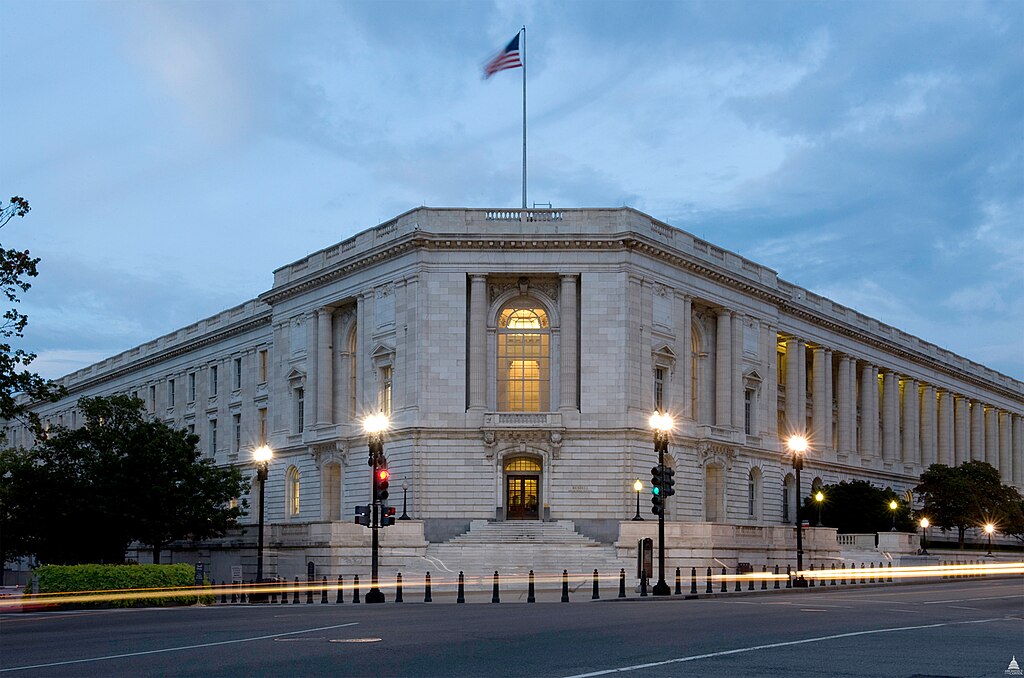
The cryptocurrency industry is intensifying efforts to secure Senate approval for the Digital Asset Market Clarity Act, commonly known as the Clarity Act, as lawmakers and industry advocates warn that the opportunity to pass comprehensive crypto regulation may soon close.
During an online event hosted by the Blockchain Association, key supporters of the legislation renewed their calls for bipartisan backing, emphasizing the bill’s benefits for law enforcement, anti-money laundering compliance, and regulatory clarity for the digital asset sector.
Senator Cynthia Lummis, a leading advocate for cryptocurrency legislation and chair of the Senate Banking Committee’s digital assets subcommittee, described the Clarity Act as one of the most thoroughly negotiated regulatory frameworks ever proposed for digital assets in the United States. According to Lummis, the legislation would strengthen oversight by requiring crypto exchanges to meet stricter Bank Secrecy Act (BSA), anti-money laundering (AML), and sanctions compliance standards than those currently in place.
Supporters face the challenge of securing at least 60 votes in the Senate to advance the bill. Lummis stressed the urgency of passing the legislation this year, warning that failure to do so could delay meaningful crypto regulatory reform until the end of the decade. With fewer than eight weeks of Senate floor time remaining before lawmakers shift focus to the upcoming midterm election season, the timeline for action is becoming increasingly limited.
To build support, the Blockchain Association recently organized a campaign featuring a letter signed by 160 former law enforcement officials who endorsed the Clarity Act. The organization also arranged meetings between former officials and Senate lawmakers to discuss the bill’s potential impact on combating illicit finance involving digital assets.
However, the initiative has drawn criticism from the Revolving Door Project, a watchdog group that argues many signatories have professional ties to cryptocurrency companies. The group also highlighted concerns previously raised by the National Sheriffs’ Association and other law enforcement organizations regarding the legislation’s effectiveness.
Despite the criticism, White House crypto adviser Patrick Witt defended the bill, arguing that it would impose meaningful regulatory requirements on businesses currently operating in an uncertain legal environment. He maintained that law enforcement agencies should support the legislation because it provides tools and oversight mechanisms that are currently lacking in the digital asset industry.
One of the most debated aspects of the Clarity Act involves its approach to software developers and code publication. Proponents insist the legislation targets criminal activity without penalizing legitimate innovation. Lummis emphasized that the bill would allow authorities to prosecute individuals who develop or publish code with the explicit intent of facilitating money laundering or other illegal financial activities, while protecting developers who create technology for lawful purposes.
As debate continues, the Clarity Act remains a central focus of the broader discussion surrounding cryptocurrency regulation, digital asset compliance, and the future of blockchain innovation in the United States. The coming weeks may determine whether Congress finally establishes a comprehensive regulatory framework for the rapidly growing crypto industry.
















Comment 0