

 News
News  Coin Information
  About us
  Customer Service



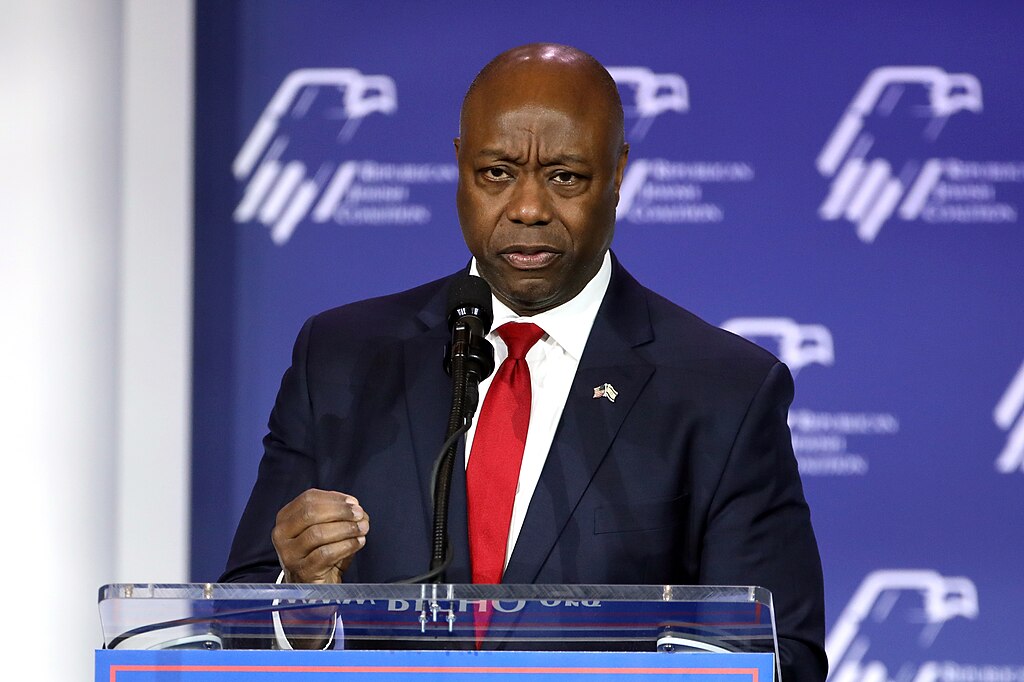
As the U.S. Senate moves closer to a critical vote on long-awaited crypto market structure legislation, Senate Banking Committee Chairman Tim Scott said a major Democratic demand targeting President Donald Trump’s involvement in crypto should not be part of the bill. Speaking to CoinDesk ahead of a scheduled committee markup, Scott emphasized that the ethics provision falls outside his committee’s jurisdiction and should instead be handled separately by the Senate Ethics Committee.
The controversy centers on Democratic efforts to restrict senior government officials, including Trump, from profiting from crypto businesses. Scott acknowledged the issue’s importance but said inserting it into the Digital Asset Market Clarity Act has proven more difficult than expected. As a result, lawmakers are now pursuing the ethics language through standalone legislation led by Senator Cynthia Lummis, chair of the committee’s crypto subcommittee, alongside Democratic Senator Ruben Gallego.
At the same time, unresolved disagreements over stablecoin rewards remain a sticking point. The current draft of the crypto bill rolls back parts of last year’s GENIUS Act by limiting rewards that resemble traditional savings account yields, while still allowing incentives tied to transactions and active use. Despite these changes, some lawmakers from both parties remain uneasy, citing concerns that stablecoins could threaten bank deposits. Scott said revised language is under review as senators consult stakeholders in their home states.
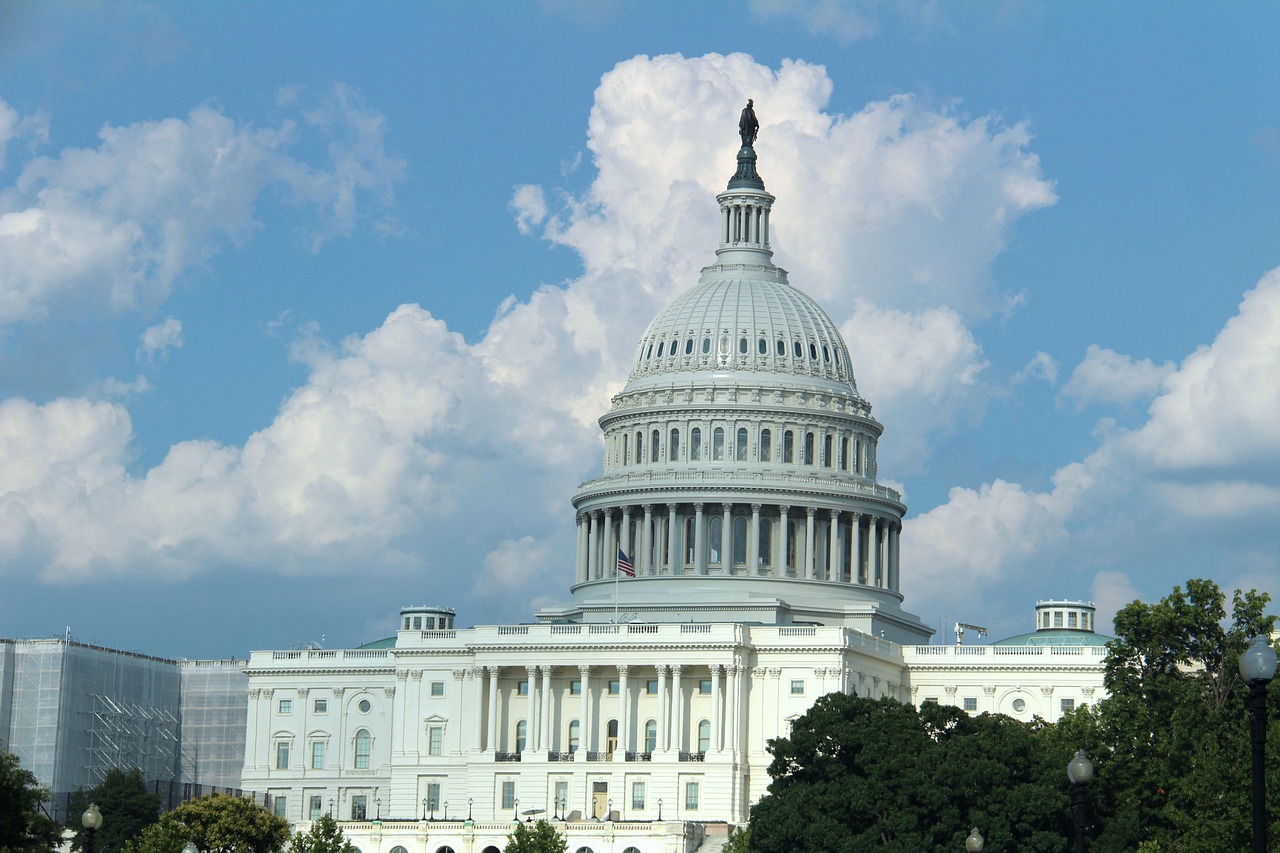
The crypto market structure bill represents a landmark effort for the digital asset industry, which has invested heavily in lobbying and political engagement to achieve regulatory clarity. A favorable vote in the Senate Banking Committee, ideally with bipartisan support, would move the legislation closer to passage by the full Senate later this year. Approval is also required from the Senate Agriculture Committee before the bills are merged into a final version.
Scott defended the decision to proceed with a markup despite lingering disagreements, noting that negotiations have stretched on for months. He suggested some lawmakers are reluctant to vote no and have delayed the process to avoid political consequences. With more than 75 proposed amendments submitted, Thursday’s markup could determine whether the U.S. crypto industry finally secures a comprehensive regulatory framework that many believe is essential for broader institutional adoption and long-term market growth.
















Comment 0