
 Add as a preferred source on Google
White House Pushes Limited Stablecoin Rewards in Crypto Market Structure Bill
The White House is backing limited stablecoin rewards in the next draft of the Digital Asset Market Clarity Act, a major crypto market structure bill currently under negotiation in the U.S. Senate. According to source…

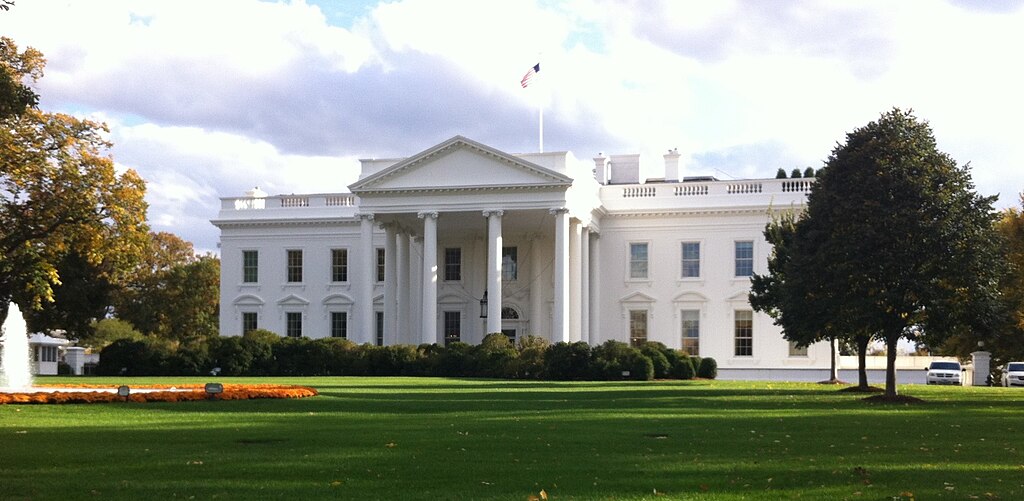
The White House is backing limited stablecoin rewards in the next draft of the Digital Asset Market Clarity Act, a major crypto market structure bill currently under negotiation in the U.S. Senate. According to sources familiar with the discussions, the updated language will move forward if Wall Street banks agree to the compromise framework.
During a recent White House working session between banking representatives and crypto industry leaders, officials signaled that certain stablecoin rewards programs will remain in the legislation. However, the proposal would restrict rewards tied to passive stablecoin holdings that resemble traditional interest-bearing bank deposits. Instead, incentives would be allowed only for specific transactions or activities, addressing concerns that stablecoin interest programs could threaten banks’ core deposit-based business model.
The negotiations mark the third meeting hosted by the White House, led by President Donald Trump’s crypto adviser, Patrick Witt. Officials urged both sides to quickly finalize an agreement to keep the crypto legislation on track. Banking groups have warned that generous stablecoin rewards could pull funds away from traditional savings accounts, while crypto advocates argue that rewards programs are essential to innovation and competition in digital asset markets.
Notably, the stablecoin provisions under discussion would significantly revise the GENIUS Act, a law passed last year that gave crypto platforms broader flexibility in offering rewards. If banks reject the compromise, the existing GENIUS framework would remain in place. If they support it, the agreement could help secure bipartisan backing in the Senate.
Despite progress on stablecoin regulation, several contentious issues remain. Democratic lawmakers are pushing for stronger safeguards against fraud and misconduct in decentralized finance (DeFi), a ban on senior government officials participating in the crypto industry, and full appointments to leadership vacancies at the Securities and Exchange Commission (SEC) and Commodity Futures Trading Commission (CFTC).
Without bipartisan consensus, the Digital Asset Market Clarity Act may struggle to gain final Senate approval, even if it advances through committee stages.
Riza Dagoc
Riza Dagoc reports on regulation, investing and the digital-asset business for TokenPost. Send corrections or tips to info@tokenpost.com.