

 News
News  Coin Information
  About us
  Customer Service



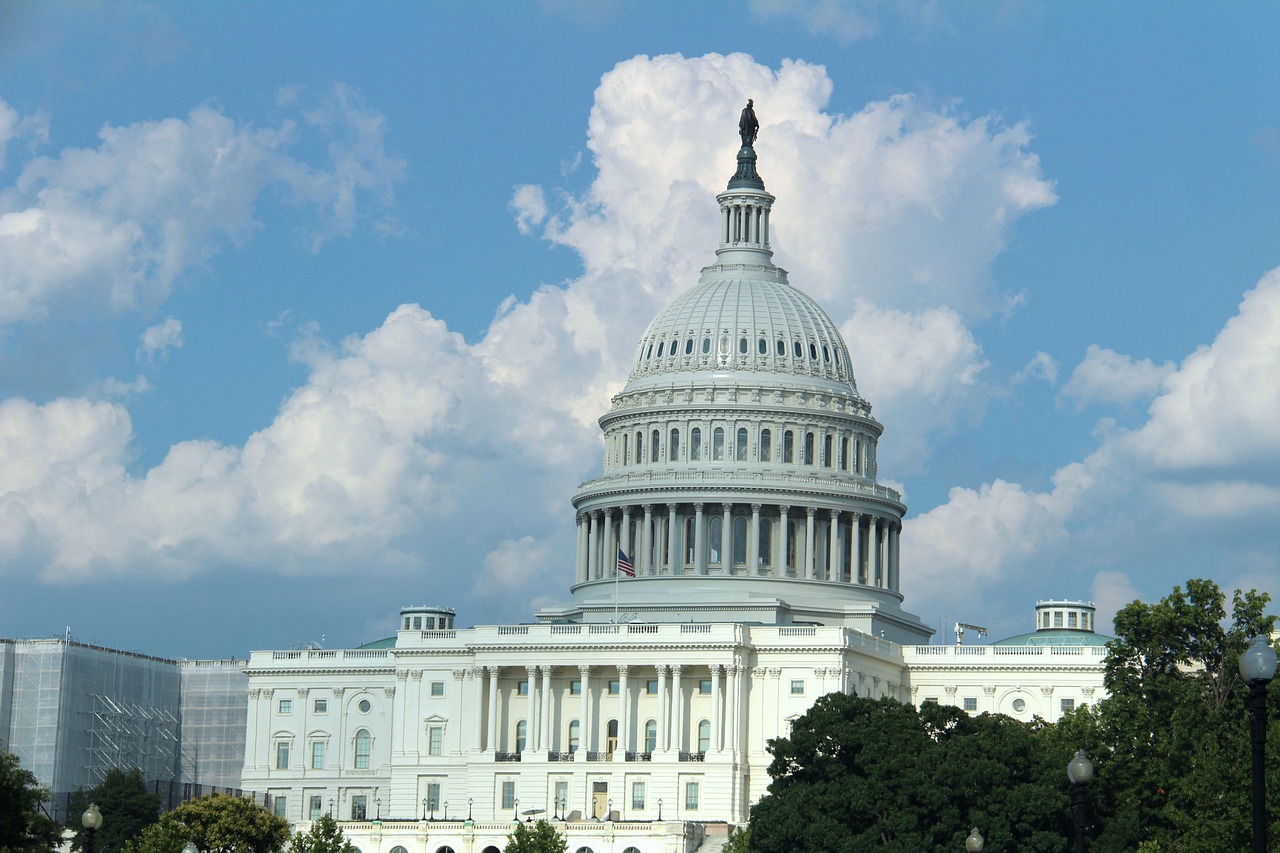
Crypto industry leaders and banking representatives met at the White House this week to discuss a potential legislative compromise on stablecoin regulation, but talks revealed deep divisions that continue to stall progress on the Senate’s Digital Asset Market Clarity Act. While crypto negotiators arrived prepared to explore middle ground on stablecoin yields, banking groups were reportedly unwilling to budge on key provisions, according to people familiar with the discussions.
At the center of the dispute is whether stablecoins should be allowed to offer yields or rewards, a business model widely used by crypto platforms but viewed by traditional banks as a direct threat to deposits. This disagreement has become one of the biggest obstacles preventing the Senate Banking Committee from advancing comprehensive crypto market structure legislation. Despite pressure from the White House for both sides to bring compromise proposals, banking representatives maintained their stance against allowing stablecoin rewards.
The crypto delegation included executives and representatives from major industry players such as Coinbase, Ripple, Andreessen Horowitz, the Crypto Council for Innovation, and the Blockchain Association. The White House reportedly limited attendance at recent meetings in hopes of streamlining negotiations, though little progress was made on the stablecoin yield issue.
Even so, crypto industry groups struck an optimistic tone after the meeting. Blockchain Association CEO Summer Mersinger said stakeholders remain constructively engaged, while Crypto Council for Innovation CEO Ji Kim emphasized appreciation for ongoing dialogue with the banking sector. Banking groups, including the Bank Policy Institute and the American Bankers Association, released a joint statement stressing that any regulatory framework must support innovation without compromising financial stability or bank deposits.
Beyond stablecoin yields, Senate Democrats have raised additional demands, including restrictions on crypto involvement by senior government officials, concerns tied to President Donald Trump’s personal crypto interests, stronger safeguards against illicit finance, and a fully staffed Commodity Futures Trading Commission before new crypto rules take effect.
The bill also faces practical hurdles, such as limited Senate floor time and ongoing budget disputes over Department of Homeland Security funding. With midterm elections approaching, the window for passing a major crypto regulation bill continues to narrow, even as negotiations push forward without a clear breakthrough.















Comment 0