

 News
News  Coin Information
  About us
  Customer Service



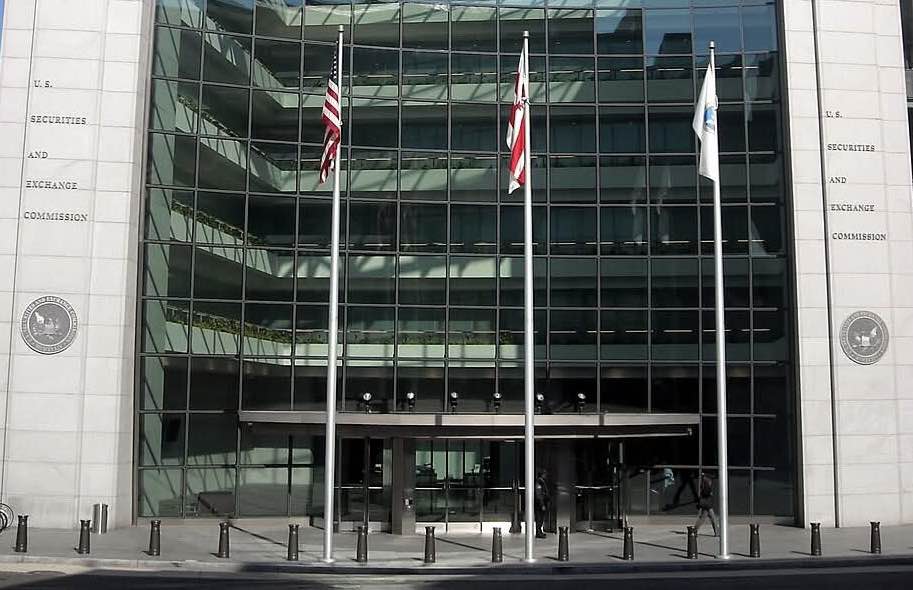
The U.S. Securities and Exchange Commission (SEC) has introduced a significant update that could reshape how broker-dealers manage stablecoin holdings. In a recent revision to its “Broker-Dealer Financial Responsibilities” FAQ, the SEC clarified that regulated firms can now treat certain stablecoins as regulatory capital, marking a notable shift in crypto policy.
Previously, broker-dealers faced a 100% “haircut” on stablecoin holdings such as Circle’s USDC and Tether’s USDT, meaning these digital assets were excluded from capital calculations. Under the new guidance, firms will apply only a 2% haircut. This allows broker-dealers to count 98% of their stablecoin holdings toward regulatory capital requirements, aligning stablecoins more closely with traditional financial instruments like money market funds.
Although the change comes through informal staff guidance rather than a formal rulemaking process, it significantly reduces regulatory uncertainty for firms operating under U.S. securities laws. Industry leaders say the move removes a financial penalty that previously discouraged broker-dealers from holding stablecoins. With stablecoins now recognized as working capital, firms can more efficiently provide liquidity, support settlement processes, and participate in tokenized securities markets.
SEC Commissioner Hester Peirce, who leads the agency’s crypto task force, stated that the update makes it more feasible for broker-dealers to engage in activities involving tokenized securities and other crypto assets. She also signaled interest in exploring amendments to existing SEC rules to better address payment stablecoins.
However, because the guidance is part of an FAQ document rather than a formal regulation, it can be modified or reversed more easily. The SEC is reportedly developing broader crypto regulations, but formal rulemaking can take months or even years. Meanwhile, industry advocates continue to push for federal legislation, such as the proposed GENIUS Act, to establish long-term legal clarity for stablecoins and digital assets in the United States.
This update underscores the SEC’s evolving approach to crypto regulation and highlights stablecoins’ growing role in mainstream finance.















Comment 0