

 News
News  Coin Information
  About us
  Customer Service



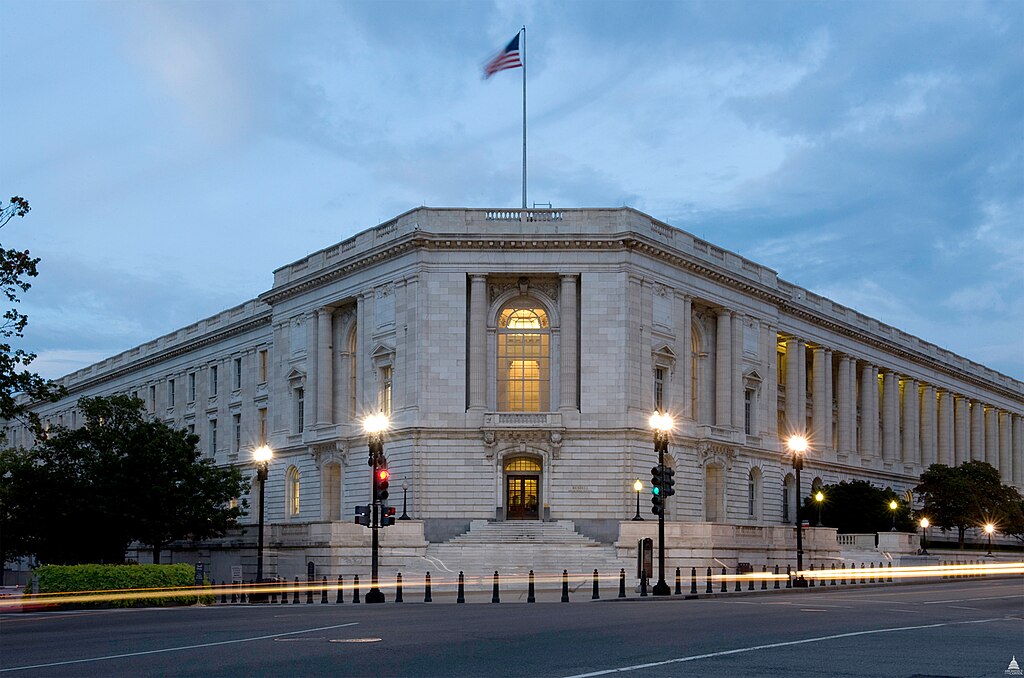
The March 1 White House deadline to resolve disputes over stablecoin rewards under the CLARITY Act has passed without an agreement, leaving lawmakers, banks, and crypto firms in continued negotiations. Senate Banking Committee leaders are now preparing a new markup attempt in Washington as pressure mounts to finalize legislation ahead of a potential 2026 vote.
Discussions surrounding the CLARITY Act remain focused on how stablecoin rewards and yield programs should be regulated. Patrick Witt, executive director of the White House Crypto Council, had set the early March deadline to encourage compromise. Although no public deal was reached, industry leaders say talks are ongoing. Summer Mersinger, CEO of the Blockchain Association, noted that complex crypto policy negotiations require time and sustained engagement among stakeholders.
At the center of the debate is whether stablecoin balances should generate interest-like rewards. Banking representatives argue that allowing crypto firms to offer yield through staking, rewards programs, or membership incentives could effectively recreate interest-bearing accounts under different labels. Banks are pushing for strict language to ensure any returns are directly tied to legitimate, time-locked investment activity such as lending or staking.
Crypto advocates, however, continue to negotiate legislative text to preserve flexibility for innovation. Meanwhile, the Office of the Comptroller of the Currency has signaled that stablecoin rewards could face tighter restrictions under related rulemaking tied to the GENIUS Act, strengthening the banking sector’s position.
Despite the stalemate, JPMorgan analysts suggest the crypto bill could pass by mid-year. Prediction markets reflect mixed expectations, with Polymarket assigning a 70% chance of the CLARITY Act becoming law in 2026, while Kalshi shows lower short-term odds of passage in the coming months.
As negotiations continue, lawmakers face growing urgency to resolve stablecoin yield disputes and move the CLARITY Act toward a full Senate vote.
















Comment 0