

 News
News  Coin Information
  About us
  Customer Service



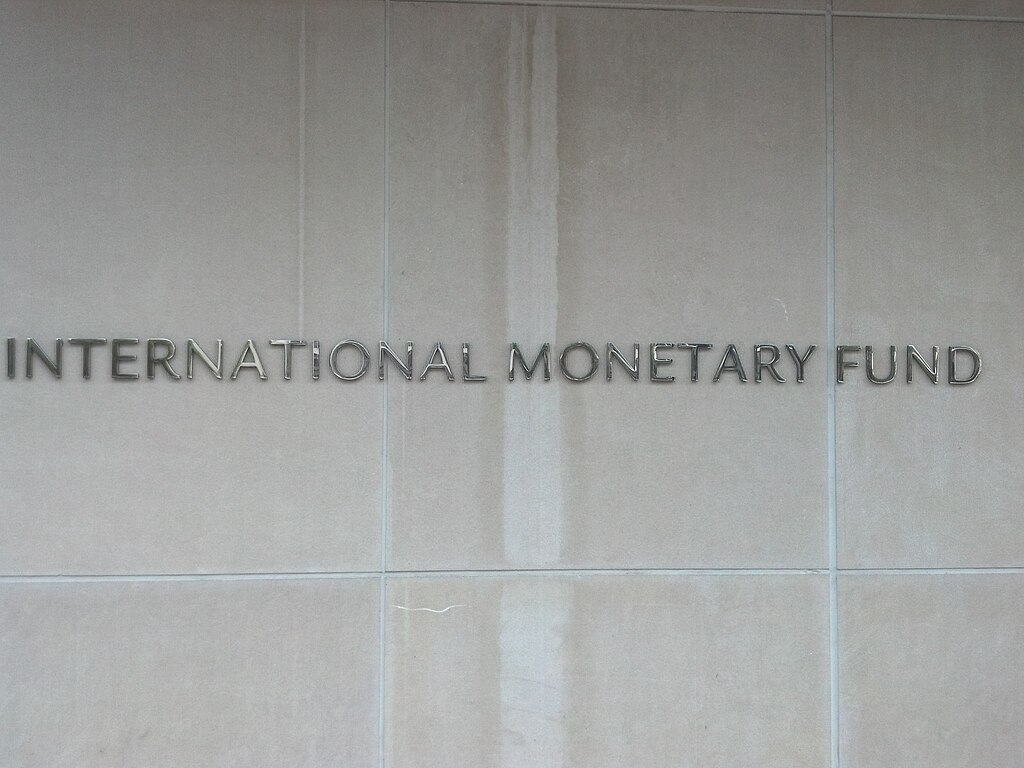
The International Monetary Fund (IMF) has issued a new 56-page report highlighting what it identifies as growing risks tied to the global rise of stablecoins. As governments and financial institutions debate the future of digital money, the IMF argues that widespread stablecoin adoption could undermine monetary sovereignty and push countries toward issuing Central Bank Digital Currencies (CBDCs).
According to the report, published Dec. 5, stablecoins may accelerate currency substitution by offering an alternative to national currencies, weakening a government's ability to enforce monetary policy. The IMF emphasizes that central bank money remains essential to financial stability and should retain its foundational role in the global monetary system.
However, industry leaders remain divided on the severity of these risks. Gate CBO Kevin Lee told CoinDesk that concerns about monetary substitution overlook the broader reality that private stablecoins and CBDCs can coexist within a healthy digital ecosystem. Similarly, Huma.Finance co-founder Erbil Karaman stressed that stablecoins serve users in volatile economies where traditional banking systems have failed. With Huma’s network processing over $8 billion in stablecoin transactions, Karaman argued that the benefits of these digital assets far outweigh perceived threats.
Echoing recent guidance from the European Central Bank (ECB) and the Bank for International Settlements (BIS), the IMF also warned that instability—such as fire-sale events—may force central banks to intervene, posing systemic risks. Additionally, the report claims stablecoins could be exploited for illicit transactions due to pseudonymity and ease of cross-border transfers. Critics point out, however, that traditional fiat currencies face similar challenges; a 2024 U.S. Treasury report found the U.S. dollar remains widely used for money laundering.
Prominent businessman Ricardo Salinas Pliego called anti-crypto efforts a reaction to shifting power dynamics, saying traditional institutions fear losing control. Kraken co-CEO Arjun Sethi echoed this sentiment, noting that monetary authority is gradually decentralizing as open financial systems gain traction.
The IMF ultimately acknowledges that stablecoins are pressuring governments to strengthen economic policies to avoid losing monetary influence—a sign, many argue, of digital finance’s accelerating global impact.














Comment 0