

 News
News  Coin Information
  About us
  Customer Service



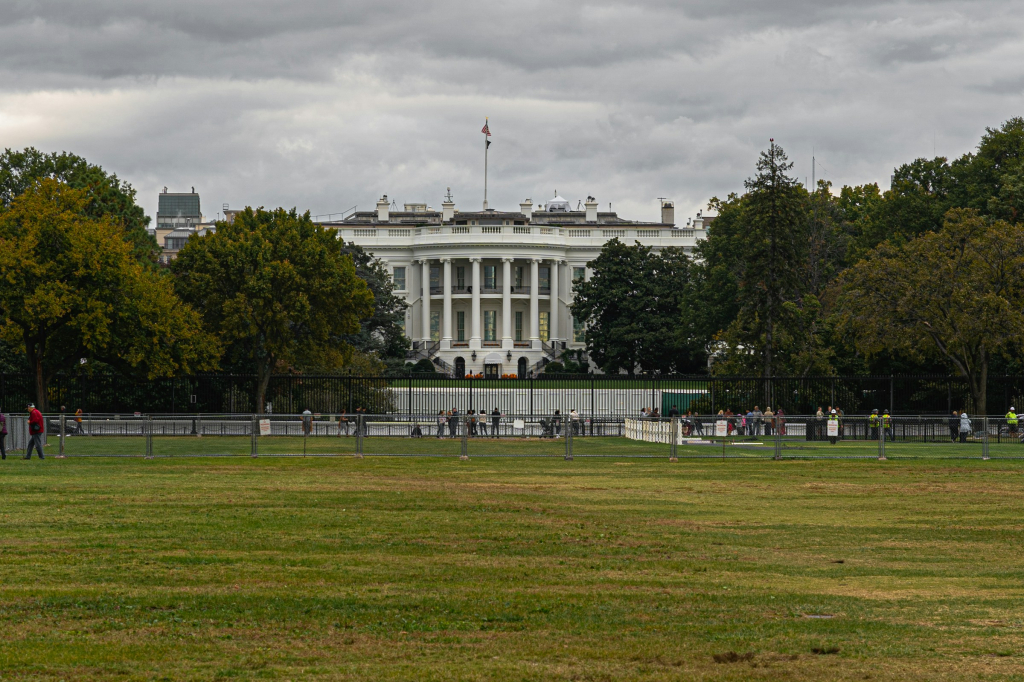
A new congressional report led by Representative French Hill alleges that federal regulators have indirectly constrained the U.S. crypto industry through actions resembling a modern version of Operation Choke Point. According to the document, agencies relied on vague guidance, informal pressure, and aggressive enforcement tactics that ultimately caused more than 30 crypto firms and industry participants to lose access to banking services. The report argues that this environment of regulatory uncertainty discouraged banks from working with digital asset companies, as institutions sought to avoid potential supervisory consequences.
Committee staff describe a climate in which regulators repeatedly warned banks about the risks of serving crypto-related businesses. This ongoing caution, paired with unclear standards, pushed financial institutions to limit or sever ties with digital asset firms despite their legal status. Hill connects these findings to current efforts in Congress to set clear digital asset rules, noting that the alleged pattern mirrors the Obama-era Operation Choke Point, which faced bipartisan backlash for influencing banks’ decisions regarding lawful businesses.
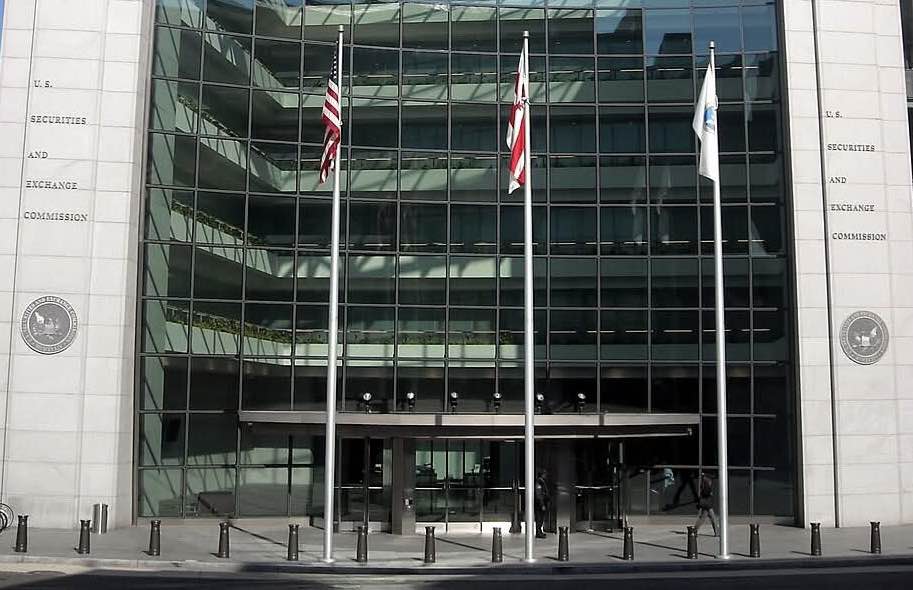
The report also highlights long-standing concerns about the Securities and Exchange Commission’s reliance on enforcement actions rather than clear rulemaking, arguing that this approach has left crypto companies without consistent regulatory expectations. Additional scrutiny by banking agencies, including the Federal Reserve, is said to have restricted institutional involvement in digital assets.
Regulators’ warnings intensified following major market volatility and several high-profile failures in 2022. Bitcoin’s dramatic swings—from nearly $34,000 early in the administration to below $17,000 in late 2022, then rising above $126,000 before settling near $84,000 this week—shaped supervisory concerns and influenced banks’ risk calculations.
Amid this evolving landscape, Congress has advanced significant digital asset legislation, including the first national stablecoin framework and a broader market structure bill awaiting Senate consideration. Hill’s report further notes that actions by Trump-era regulators to rescind certain Biden-era supervisory documents may reduce future instances of crypto firms being debanked.


















Comment 0