
 Add as a preferred source on Google
Bitcoin Rally Faces Jackson Hole Test as Fed Policy Takes Focus
Bitcoin’s recent surge above $80,000 is facing a major test as investors turn their attention to Federal Reserve Chair Kevin Warsh’s speech at the Jackson Hole symposium on Friday.


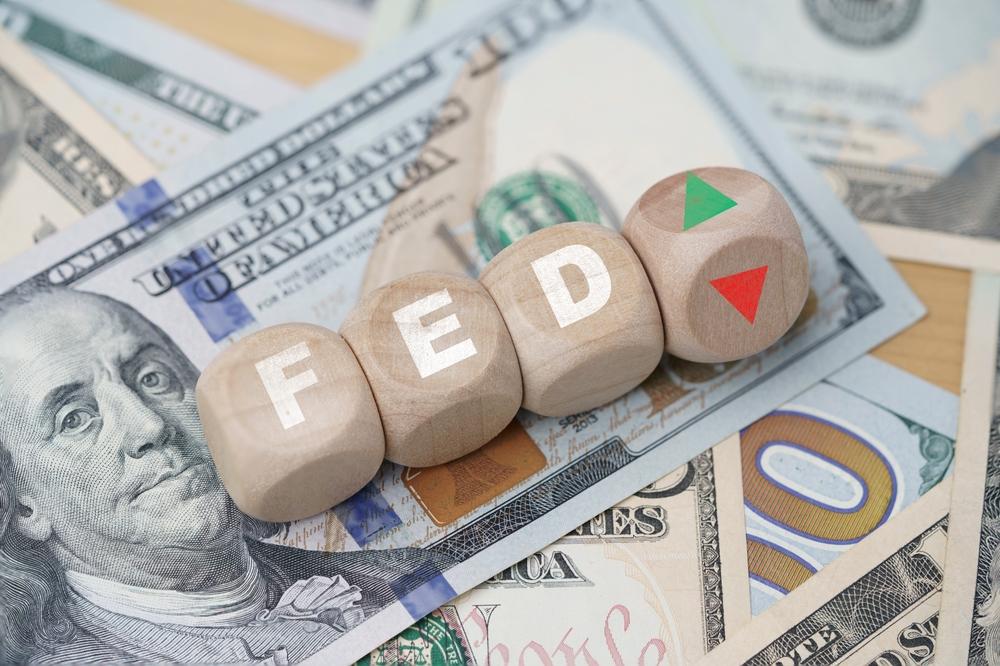
Bitcoin’s recent surge above $80,000 is facing a major test as investors turn their attention to Federal Reserve Chair Kevin Warsh’s speech at the Jackson Hole symposium on Friday.
BTC’s rally over the past 10 days followed moves by U.S. Treasury Secretary Scott Bessent and the Treasury Department aimed at easing pressure on long-term interest rates. However, the Federal Reserve’s next policy signals could determine whether Bitcoin extends its gains or retreats.
The Fed has kept its benchmark interest rate at 3.50%-3.75% in recent months while maintaining a hawkish stance as inflation remains above its 2% target. The latest Personal Consumption Expenditures Price Index showed annual inflation at 3.7% in July, partly reflecting higher energy costs linked to the Iran war.
That reading increased market expectations for a potential September rate hike. Mark Connors, chief investment officer at Risk Dimensions, expects Warsh to keep the possibility of higher rates open without signaling an immediate move.
“There will be no hike before midterms,” Connors said.
For Bitcoin, however, the Fed’s September decision may matter less than broader liquidity conditions and long-term Treasury yields.
Samir Kerbage, chief investment officer at Hashdex, said Bitcoin’s relationship with monetary policy is indirect. He argued that BTC reacts more strongly to global liquidity and movements at the long end of the yield curve, similar to gold.
Last week, the Treasury announced increased purchases of long-dated government debt after the 30-year Treasury yield climbed to a 19-year high. The move helped stabilize bonds and coincided with Bitcoin’s latest rally, which Kerbage described as “mostly a liquidity event.”
Jackson Hole could also carry broader implications for the cryptocurrency market. This year’s conference focuses on financial innovation, payments and policy, bringing stablecoins, tokenized deposits and faster settlement technologies into the discussion.
If Warsh signals that these technologies can become part of the established financial system rather than risks requiring tighter restrictions, the impact could extend beyond Bitcoin. Smart-contract blockchains and protocols supporting tokenized payments and financial settlement could potentially benefit from a more accommodating regulatory and monetary-policy outlook.
Riza Dagoc
Riza Dagoc reports on regulation, investing and the digital-asset business for TokenPost. Send corrections or tips to info@tokenpost.com.