

 News
News  Coin Information
  About us
  Customer Service



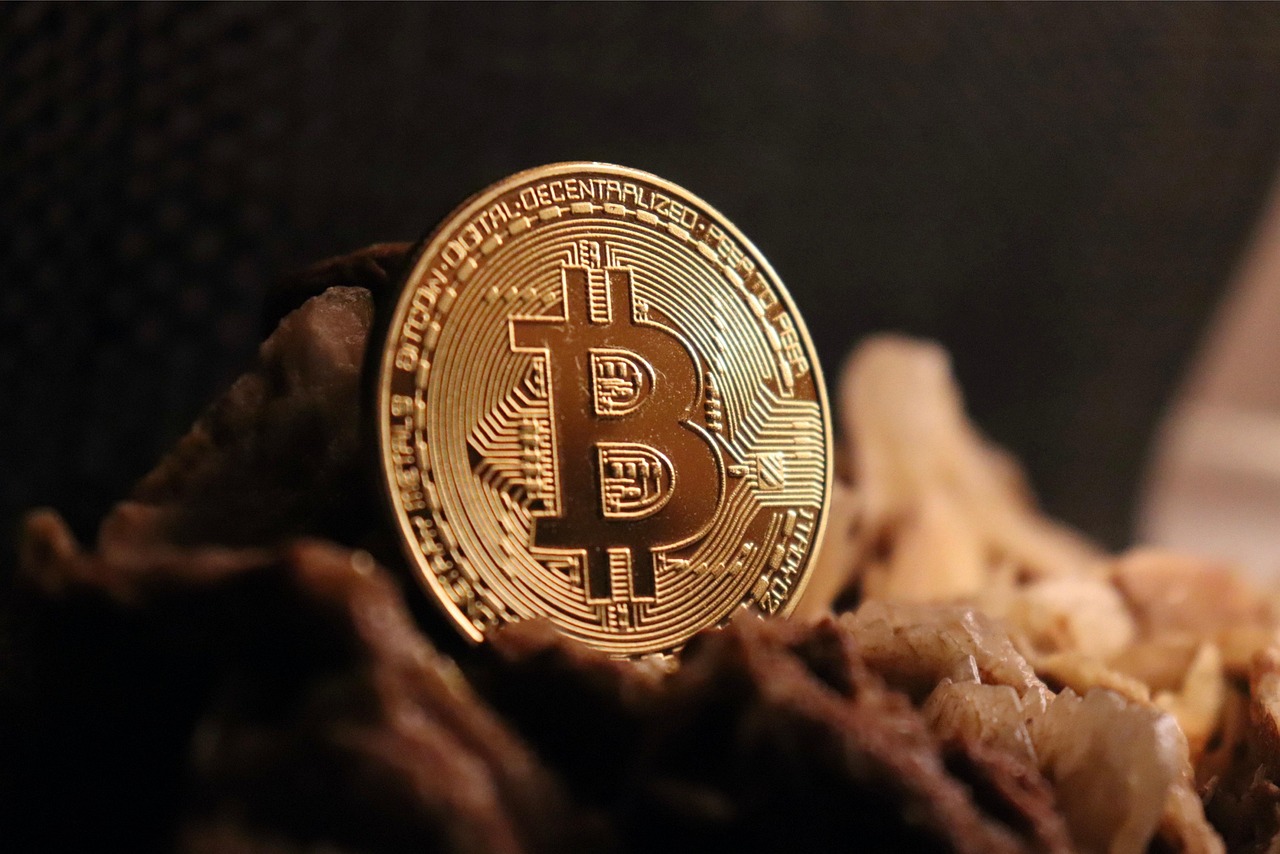
Bitcoin remains under pressure after the latest U.S. inflation data reinforced concerns that the Federal Reserve may keep interest rates elevated for longer. The Bureau of Economic Analysis reported that the Personal Consumption Expenditures (PCE) price index—widely regarded as the Fed’s preferred inflation gauge—rose 3.5% year-over-year in March and 0.7% month-over-month. While these figures matched market expectations, they mark the highest annual increase since August 2023.
Core PCE inflation, which excludes volatile food and energy prices, also climbed 3.2% year-over-year and 0.3% month-over-month, reaching its highest level since November 2023. Persistent inflation pressures are being amplified by geopolitical tensions, particularly the ongoing U.S.-Iran conflict, which has pushed oil prices higher and contributed to broader market uncertainty.
Following the data release, Bitcoin dropped to around $76,000 before stabilizing near $76,400, according to TradingView. Despite a slight intraday recovery, the cryptocurrency continues to face downward pressure as investors react to macroeconomic risks and tightening liquidity expectations. Rising oil prices, with Brent crude surpassing $120 per barrel, have further dampened sentiment across risk assets, including cryptocurrencies.
Market participants are also digesting the Federal Reserve’s latest decision to keep interest rates unchanged. The central bank cited elevated inflation and uncertainty tied to geopolitical developments as key reasons for maintaining its current policy stance. This marks the third consecutive meeting without a rate change, reinforcing expectations that borrowing costs could remain high throughout the year.
Crypto traders are increasingly betting against rate cuts in 2026. Data from Polymarket shows a 58% probability that the Fed will not implement any rate reductions this year, a sharp increase from 39% just days earlier. Higher interest rates typically weigh on Bitcoin and other digital assets, as they reduce liquidity and investor appetite for risk.
With inflation staying persistent and global tensions unresolved, Bitcoin’s near-term outlook remains closely tied to macroeconomic trends and Federal Reserve policy signals.
















Comment 0