

 News
News  Coin Information
  About us
  Customer Service



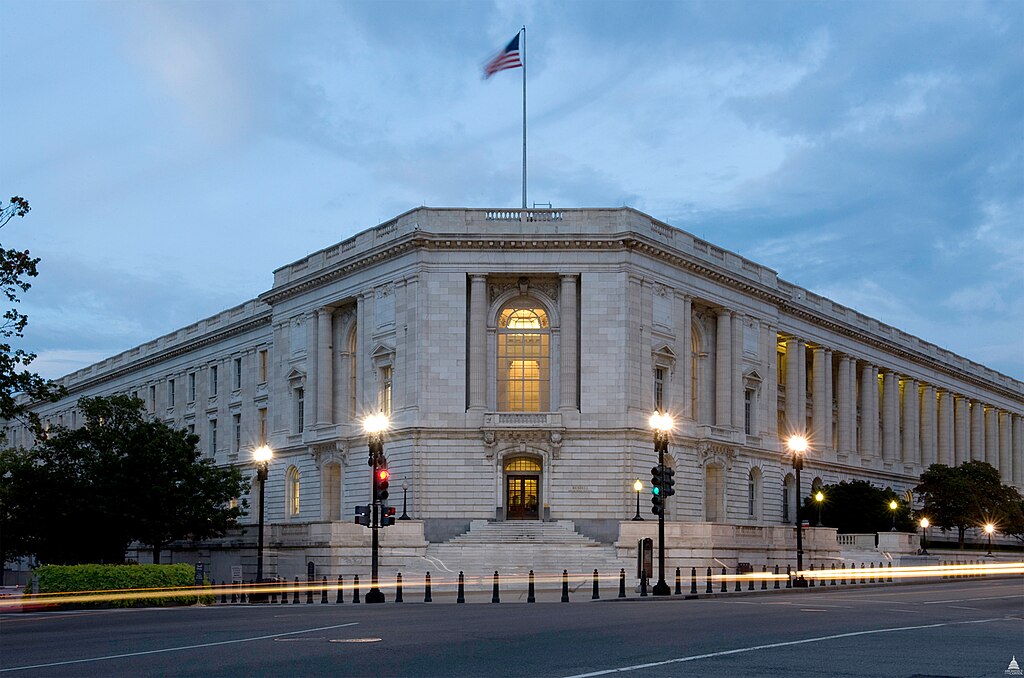
Concerns about a potential U.S. government shutdown at the end of January are easing, as prediction markets and political signals increasingly point toward a funding agreement being reached in time. Traders on prediction platforms are now betting against another shutdown, reflecting growing confidence that Washington will act to avoid renewed disruption.
According to data from Kalshi, the probability of a U.S. government shutdown around January 31 has fallen sharply to about 27%, down from the 40% to 48% range seen just weeks ago. Current market pricing suggests there is roughly a 71% chance that lawmakers will reach a deal before the deadline, signaling a notable shift in sentiment. Observers such as Walter Bloomberg attribute this reassessment to several structural and political factors that reduce the likelihood of a prolonged funding lapse.
A major contributor is the One Big Beautiful Bill Act, enacted in 2025, which pre-funded an estimated 85% to 95% of federal spending through September 2026. This legislation provides full-year appropriations for many programs that would otherwise require annual renewal, limiting the number of agencies exposed to funding gaps. As a result, even if negotiations falter, the scope and impact of any shutdown would likely be more limited than in the past.
Political dynamics also favor an agreement. Lawmakers remain sensitive to the public backlash associated with shutdowns, especially as they continue to recover politically from the most recent one. Additionally, following the 2024 elections, Republicans control the White House, the House of Representatives, and the Senate, reducing the risk of legislative gridlock that often triggers shutdowns under divided government.
The last shutdown, which began in November and lasted a historic 43 days, highlighted the economic and political costs of prolonged funding disputes. While parts of the government remain at risk ahead of the January 30 deadline, recent comments from Senate leaders suggest a willingness to work through the appropriations process. Economists warn that another shutdown could weigh on economic growth, giving policymakers even more incentive to reach a deal and keep the government funded.

















Comment 0