

 News
News  Coin Information
  About us
  Customer Service



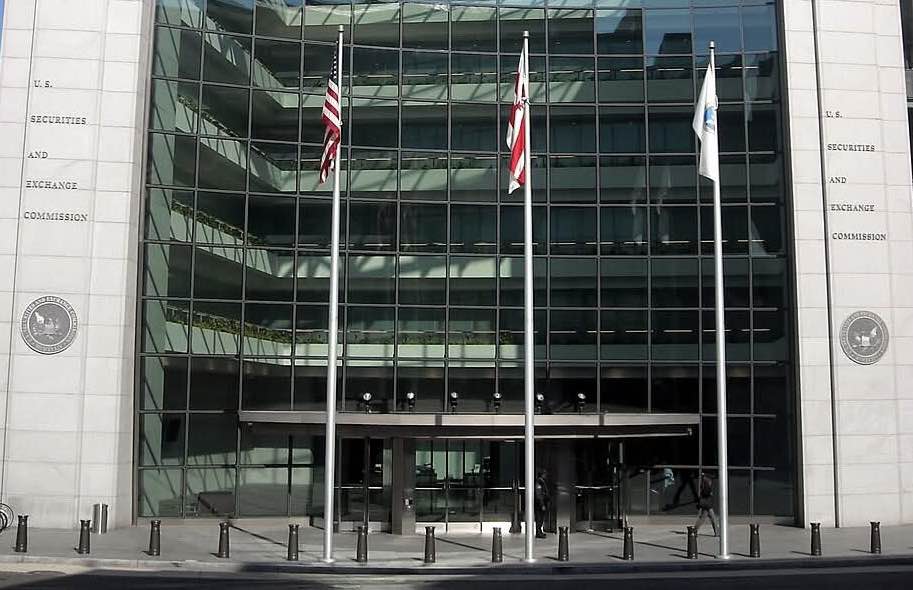
Crypto-critic SEC Commissioner Caroline Crenshaw has officially stepped down today, marking the end of a tenure that spanned more than a decade at the U.S. Securities and Exchange Commission. Her departure concludes her term and brings a major shift in the SEC’s leadership structure, leaving the regulatory agency with an all-Republican panel for the first time in years. This development is being closely watched by the cryptocurrency industry, as it may signal a more favorable regulatory environment for digital assets in the United States.
SEC Chair Paul Atkins confirmed Crenshaw’s exit, praising her long-standing service and dedication to investor protection. In an official statement, Atkins highlighted that Crenshaw consistently upheld the SEC’s mission by advocating for market integrity and safeguarding investors. Throughout her career, she was known for her rigorous stance on enforcement and her skepticism toward emerging financial technologies, particularly cryptocurrencies.
Caroline Crenshaw emerged as one of the most vocal critics of crypto regulation reform within the SEC. She repeatedly warned against easing restrictions on digital assets, citing concerns over market volatility, fraud, and insufficient regulatory oversight. Her position was evident when she stood as the sole dissenter during the SEC’s approval of spot Bitcoin ETFs in January 2024. She also voted against several crypto exchange-traded products, including XRP-related ETPs, even as those proposals ultimately passed by majority votes.
Despite speculation toward the end of 2025 about her potential renomination, the U.S. Senate Banking Committee canceled a scheduled vote on her second term, effectively ending those discussions. With Crenshaw’s exit, the SEC now consists entirely of Republican commissioners, a shift that many analysts believe could encourage crypto innovation and growth.
Paul Atkins has previously stated that crypto regulation is a top priority for the SEC moving forward. As a result, industry participants anticipate clearer regulatory frameworks and potentially less aggressive enforcement strategies. While investor protection will remain central to the SEC’s mission, Crenshaw’s departure could mark a turning point for U.S. crypto regulation, opening the door to policies that balance innovation with oversight and position the United States as a more competitive hub for digital assets.















Comment 0