

 News
News  Coin Information
  About us
  Customer Service


 Add as a preferred source on Google

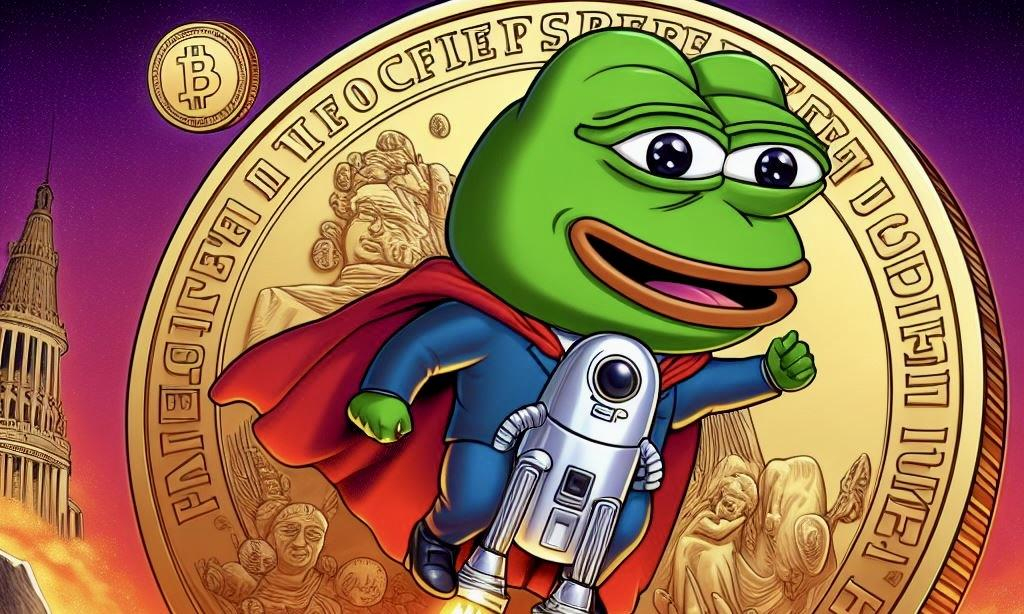
Meme coins kicked off 2026 with a sharp rebound, led by Dogecoin (DOGE) and Pepe (PEPE), as traders leaned back into high-risk assets amid quiet macro conditions. The rally reignited conversations around a potential “meme season,” with speculative appetite showing early signs of returning after the holiday slowdown.
Dogecoin surged roughly 11% over 24 hours, while Pepe jumped about 17% following a strong intraday breakout. The move was not isolated. According to CoinGecko data, the GMCI Meme Index category climbed to an estimated market value of $33.8 billion, supported by approximately $5.9 billion in daily trading volume. This broad increase suggests renewed liquidity and participation across the meme coin sector rather than a single-token spike.
Dog-themed meme coins also posted widespread gains. Shiba Inu rose around 8%, Solana-based Bonk added nearly 11%, and Floki climbed close to 10%. Smaller-cap meme tokens moved even faster, reflecting typical high-beta behavior during speculative bursts. Mog Coin advanced about 14% on the day and roughly 37% over the past week, while Popcat gained nearly 9% and more than 17% over seven days.
Market participants on X highlighted Pepe’s technical breakout as a catalyst, noting that momentum traders often rotate from large-cap crypto assets into meme coins once liquidity improves. This pattern has historically appeared during periods when Bitcoin trades sideways and traders seek faster-moving opportunities.
Bitcoin has remained range-bound, and liquidity remains uneven following the holidays. In this environment, meme coins often attract flows because they offer high volatility, active derivatives markets, and narrative-free momentum trading. However, analysts caution that these rallies can be fragile. Crowded positioning, declining spot demand, or a pullback in Bitcoin can quickly unwind gains as leverage accelerates downside moves.
For now, meme coins appear to be acting as a barometer for speculative risk appetite. Whether this develops into a sustained meme cycle will depend on whether gains broaden further or fade as quickly as they emerged.














Comment 0