

 News
News  Coin Information
  About us
  Customer Service



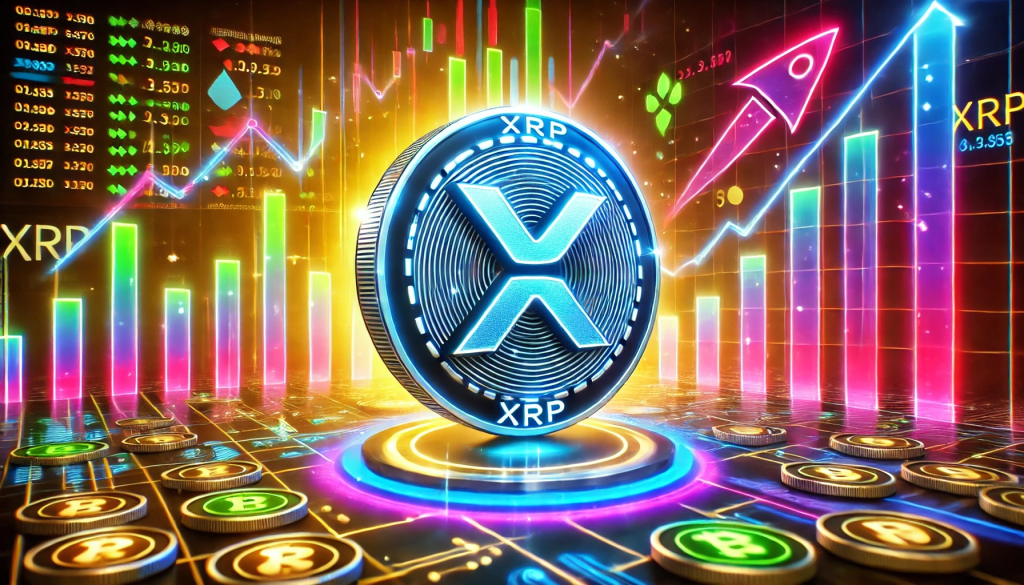
Ripple’s XRP is stuck in a tight range around $1.09, but market watchers say the token’s next meaningful move may hinge less on technical indicators and more on whether U.S. lawmakers deliver long-awaited 'regulatory clarity'—alongside tangible progress inside the XRP Ledger (XRPL) ecosystem.
As of Sunday, July 19 (UTC), XRP (XRP) was trading at $1.0938 with roughly $641 million in 24-hour trading volume. While the token was up 0.54% on the day, its broader trend remains soft: down 0.44% over seven days, 3.2% over 30 days, and 20.3% over 60 days. XRP’s market capitalization stood near $68.3 billion, giving it an estimated 3.09% share of the total crypto market.
The larger overhang is how far XRP remains from its prior cycle peak. At current levels, the token is still more than 70% below the roughly $3.65 high seen in the previous market cycle—an underperformance that has kept sentiment cautious even as other large-cap assets have shown periodic bursts of momentum.
Technically, traders are closely tracking the $1.15–$1.20 zone as the near-term ceiling. Analysts broadly frame that band as the key 'supply' area that must be cleared to reset bullish momentum. Until then, XRP appears to be in a holding pattern, with short-term demand struggling to overpower overhead resistance.
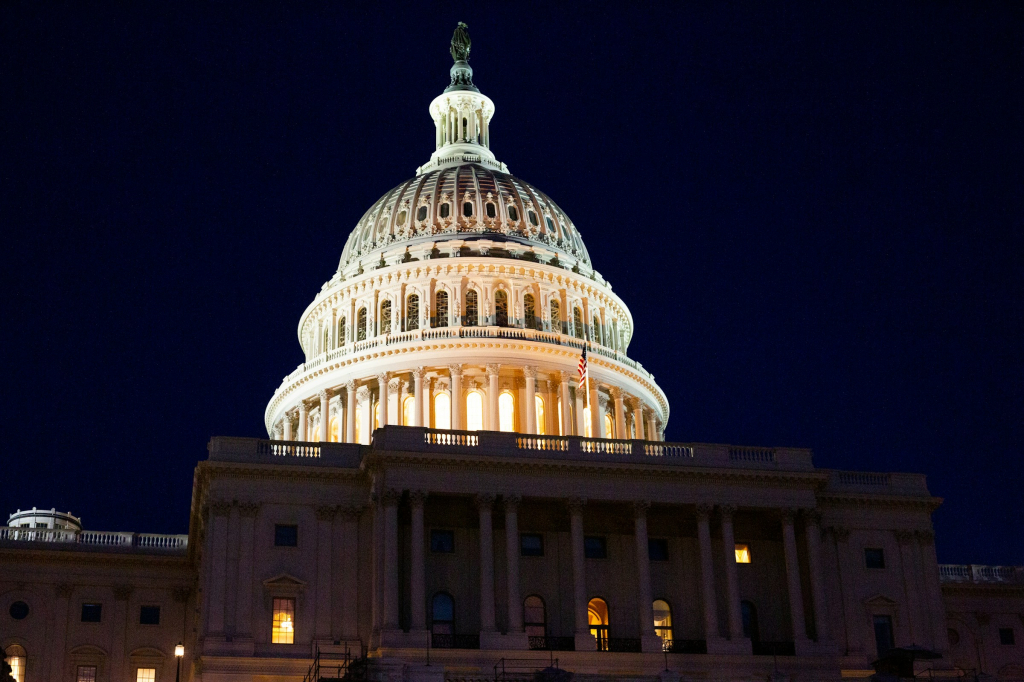
Yet several market observers argue that the stronger force shaping XRP’s trajectory right now is policy. In the U.S., the proposed CLARITY Act—a bill designed to define how digital assets are legally classified and which agency has primary oversight—has become a focal point. If enacted, the legislation could strengthen the legal basis for treating XRP as a 'commodity', addressing a core uncertainty that has shadowed the asset across multiple cycles.
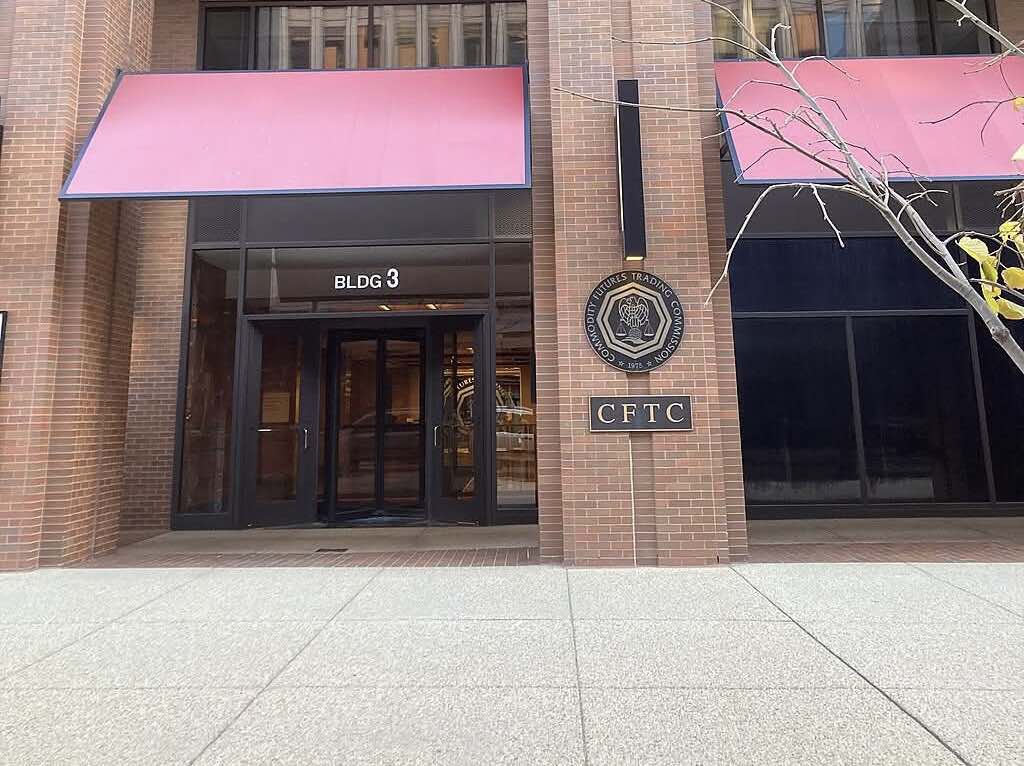
That matters because U.S. regulators have already been moving in that direction. The article notes that the U.S. Securities and Exchange Commission and the Commodity Futures Trading Commission classified XRP as a commodity earlier this year. Market commentary from outlets such as FXLeaders and The Motley Fool has emphasized that a formal legislative framework could be the catalyst that unlocks the next sustained re-rating, by making compliance expectations clearer for exchanges, custodians, and institutional allocators.
Ripple’s ecosystem push is also being watched as a parallel driver. The company’s dollar-pegged stablecoin, Ripple USD (RLUSD), has been cited as another signal of gradual 'institutionalization'—a product direction that could deepen on-chain liquidity and broaden use cases beyond speculative trading, particularly in payments and treasury flows.
On adoption, the report points to a series of developments that supporters see as evidence of expanding infrastructure. Japan’s SBI Digital Finance is said to have integrated XRP-based payment rails into domestic banking networks—an initiative that, if it scales, could reinforce Ripple’s presence in Asian cross-border settlement corridors.
XRPL network metrics have also improved. The number of activated accounts has reportedly surpassed 8 million, and compatibility with SWIFT messaging has been officially confirmed. While SWIFT is not itself a settlement network, integration at the messaging layer is viewed as strategically important because it could reduce technical friction for banks and payment providers exploring real-time settlement systems tied to tokenized liquidity.
Beyond payments, XRPL’s push into tokenization is starting to show measurable volume. According to the report, cumulative trading volume for tokenized gold on XRPL exceeded $1 million—small by traditional finance standards, but meaningful as a proof point that the ledger can support 'RWA' (real-world asset) issuance and secondary trading. Commentary referenced from 247WallSt and CoinStats suggests that expanding tokenization features could raise XRPL’s appeal to institutions looking for compliant rails for on-chain representations of off-chain assets.
From a technology standpoint, developers are preparing for a late-July network update. XRPL’s FixCleanup3_2_0 amendment is scheduled to be applied on July 29, 2026 (UTC). The changes are framed as stability- and consistency-oriented improvements rather than a direct price catalyst, but proponents argue that incremental reliability upgrades help reinforce the chain’s credibility for enterprise-grade use.
ETF speculation remains another potential lever. While no decision was highlighted as imminent, the continued discussion around a spot XRP (XRP) ETF underscores a broader theme: if regulated investment wrappers become available, they could expand 'institutional demand' and reshape the supply-and-demand profile by adding new channels for capital inflows.
For now, XRP’s price action continues to look directionless, but its proponents see three forces developing in parallel: clearer U.S. rules, accelerating institutional integration, and ongoing technical upgrades across the XRPL stack. Whether those tailwinds can translate into a durable breakout may depend on timing—particularly the pace of Washington’s policy process and the market’s willingness to price in legal certainty as it arrives.
















Comment 0