

 News
News  Coin Information
  About us
  Customer Service



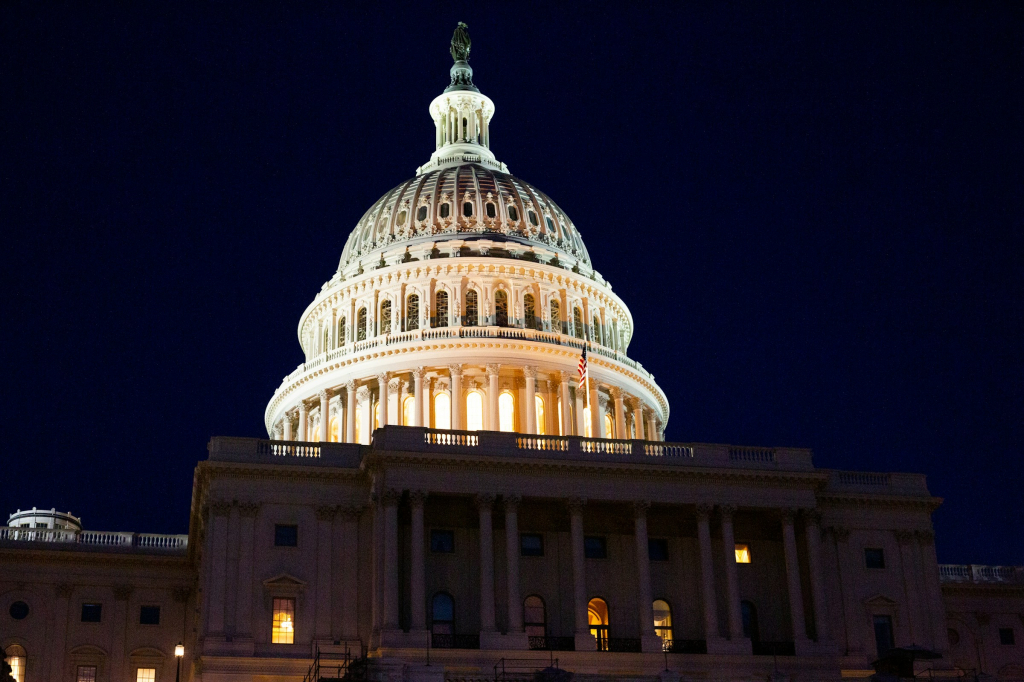
The CLARITY Act is approaching its final legislative hurdle as U.S. Senate leaders work to secure enough bipartisan support for a floor vote before the August recess. The cryptocurrency market structure bill has cleared every stage except the Senate floor, where it requires at least 60 votes to advance.
According to reports, Sen. Bernie Moreno said senators are expected to brief President Donald Trump on the negotiations, while Sen. Cynthia Lummis indicated that an updated version of the legislation could be released soon. Lawmakers are reportedly considering separating the bill's ethics provisions to prevent them from delaying broader crypto market reforms.
The ethics debate remains the biggest obstacle. Democrats have raised concerns over public officials holding financial interests in cryptocurrency businesses, citing Trump's financial disclosures, which reported approximately $635 million in meme coin royalties and around $515 million from World Liberty Financial token sales. They argue stronger ethics safeguards are necessary before providing the votes needed for passage.
The CLARITY Act previously passed the House of Representatives with a 294-134 vote in July 2025. In May, the Senate Banking Committee approved the legislation 15-9, with Democratic Sens. Ruben Gallego and Angela Alsobrooks joining Republicans in support. Senate Majority Leader John Thune aims to bring the measure to the floor before lawmakers leave for the August 7 recess.
Ripple has intensified its support for the legislation after years of legal battles with the U.S. Securities and Exchange Commission over XRP. Chief Legal Officer Stuart Alderoty argued that rejecting the bill would preserve regulatory uncertainty that bad actors could exploit, while Ripple executive Lauren Belive said delays leave gaps similar to those exposed during the FTX collapse.
The CLARITY Act would establish a regulatory framework by assigning shared oversight of digital assets to the SEC and the Commodity Futures Trading Commission (CFTC), while requiring regulatory review before new tokens enter the market.
Opposition remains strong. Sens. Elizabeth Warren and Chris Van Hollen argue the bill weakens consumer protections, while dozens of banking organizations continue seeking changes to stablecoin yield provisions. Meanwhile, Polymarket traders currently assign only a 38% probability that the CLARITY Act will pass in 2026, highlighting growing uncertainty as lawmakers race against the legislative calendar.














Comment 0