

 News
News  Coin Information
  About us
  Customer Service



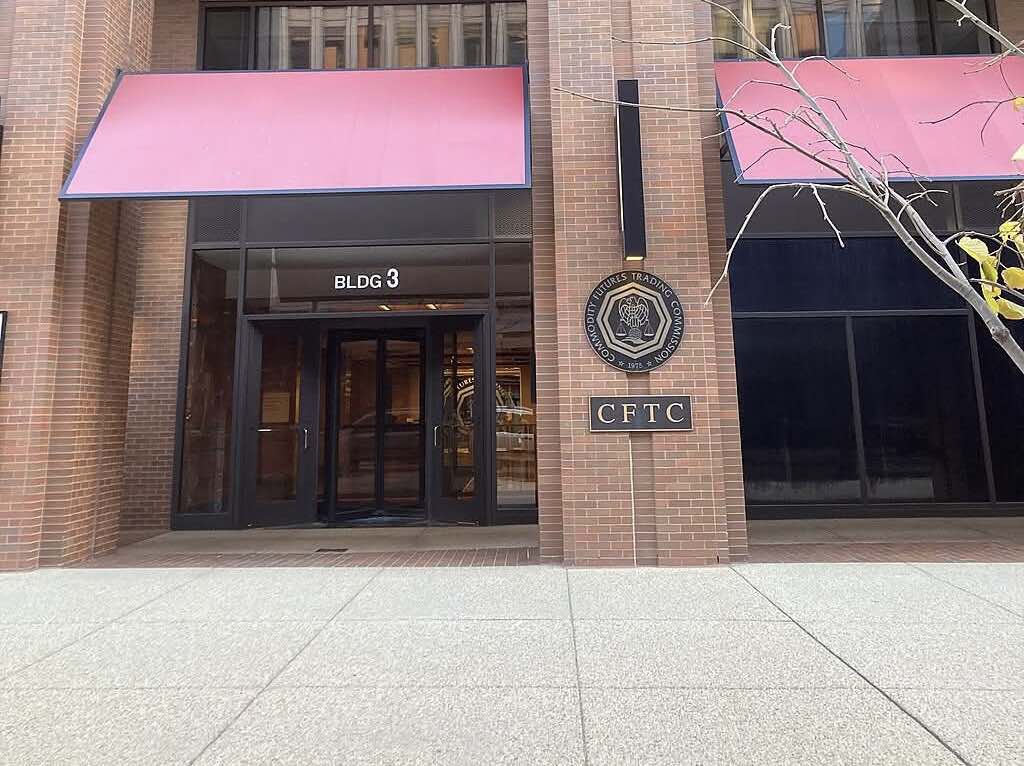
The U.S. Commodity Futures Trading Commission (CFTC) has escalated its legal battle over prediction markets by ordering Kalshi not to comply with a Michigan court directive requiring the company to cancel and refund certain customer trades.
The move underscores the CFTC's position that it has exclusive authority to regulate Kalshi, a federally registered designated contract market (DCM), under the Commodity Exchange Act. The agency argues that state governments and courts cannot override federal oversight of regulated prediction markets.
CFTC Chairman Mike Selig said the commission will not allow states or state courts to pressure regulated entities into violating federal commodities laws. A strong supporter of prediction markets, Selig has pledged to create a favorable regulatory environment while defending the agency's jurisdiction against state-level challenges.
The CFTC has already filed lawsuits against several states seeking to restrict or penalize event contract platforms, arguing that such efforts conflict with federal law. According to the agency, Michigan is the first state to directly attempt to reverse completed transactions on a federally regulated exchange.
The dispute stems from a June ruling by a Michigan county circuit court that ordered Kalshi to halt online sports-related event contracts in the state following a request from the Michigan attorney general. The court later directed the company to void, cancel, and refund certain trades placed by Michigan users.
Kalshi responded by seeking emergency guidance from the CFTC on July 2 regarding the court's order. The regulator subsequently instructed the company not to unwind previously executed trades, warning that retroactively reversing transactions could undermine confidence in regulated financial markets.
In its order, the CFTC said allowing completed contracts to be canceled after execution would create uncertainty for traders and threaten the integrity of the marketplace. The agency argued that such actions could weaken trust in the finality of legally executed trades, setting a precedent that could destabilize prediction markets and other federally regulated trading platforms.















Comment 0