

 News
News  Coin Information
  About us
  Customer Service


 Add as a preferred source on Google

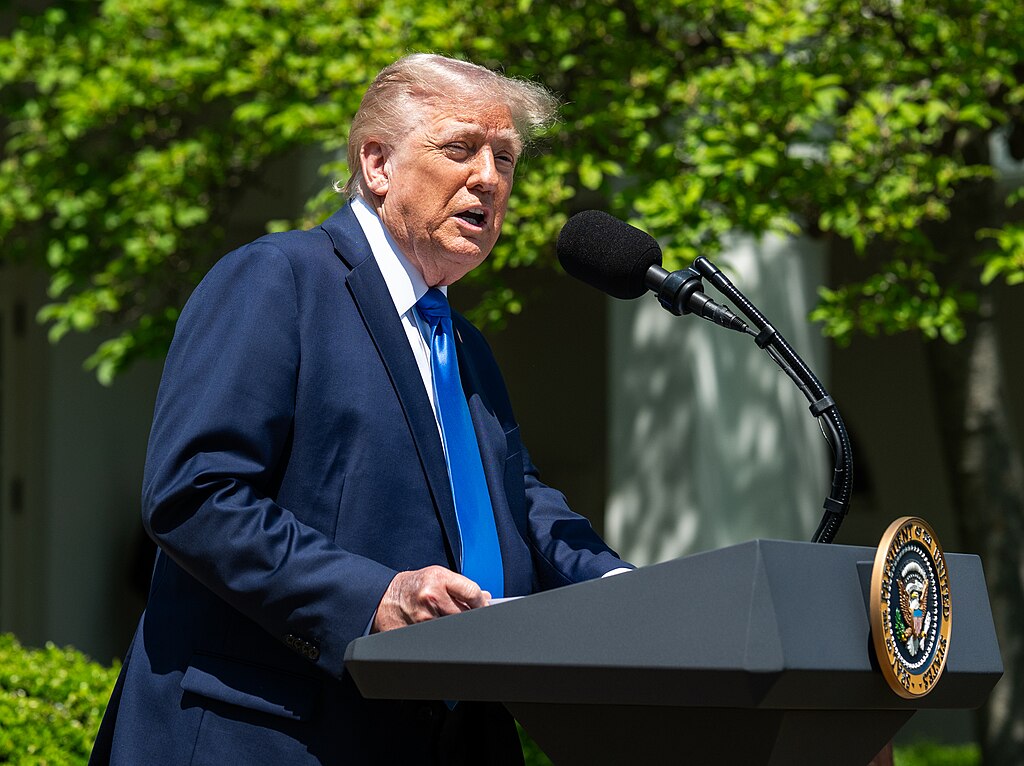
The Trump administration is preparing sanctions that would prohibit most transactions with the International Criminal Court (ICC), potentially restricting the Hague-based tribunal’s access to the global financial system. The measures would take effect after a six-to-seven-month grace period, according to the Wall Street Journal. Reuters said it could not independently verify the report.
The proposal would mark an escalation from Washington’s sanctions on individual ICC officials to measures targeting the institution itself. President Donald Trump’s February 2025 executive order declared a national emergency over ICC actions involving U.S. and Israeli nationals and authorized asset-blocking sanctions against designated persons.
The dispute intensified after the ICC issued arrest warrants in November 2024 for Israeli Prime Minister Benjamin Netanyahu and former Defense Minister Yoav Gallant over alleged crimes connected to the Gaza conflict. Israel disputes the court’s jurisdiction.
Institution-wide sanctions could create significant payment problems because U.S. dollar transactions commonly involve banks exposed to American sanctions rules. That raises the question of whether cryptocurrency could offer the ICC an alternative financial channel.
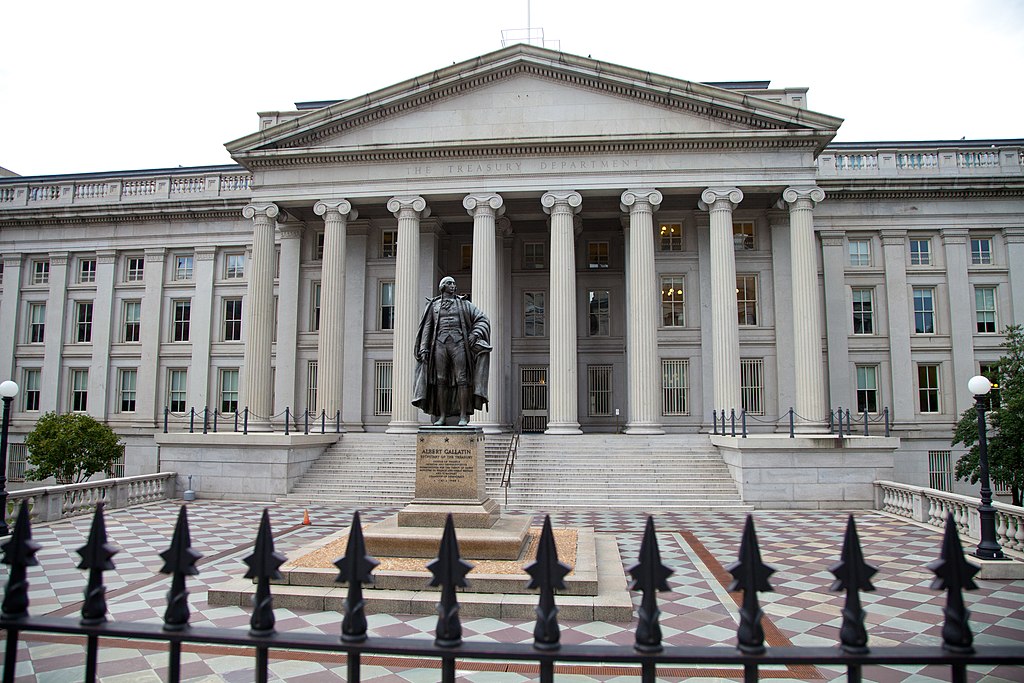
Stablecoins may provide limited protection. In April, the U.S. Treasury proposed rules implementing the GENIUS Act’s anti-money-laundering and sanctions-compliance requirements for payment stablecoins. The framework is designed to ensure regulated issuers comply with U.S. sanctions obligations.
Decentralized cryptocurrencies such as Bitcoin present a different challenge because there is no central issuer capable of freezing BTC directly on its blockchain. However, converting Bitcoin into traditional currencies generally requires exchanges, banks or other intermediaries. Washington has demonstrated its willingness to sanction digital-asset exchanges accused of facilitating prohibited transactions, including platforms linked to Iranian financial networks.
Crypto therefore would not necessarily provide the ICC with a straightforward sanctions workaround. Stablecoins remain tied to regulated issuers, while Bitcoin’s fiat entry and exit points can still face sanctions screening.
For now, the reported ICC sanctions have not yet taken effect, leaving the practical impact on the court—and any potential role for cryptocurrency—dependent on the final measures adopted by Washington.













Comment 0