

 News
News  Coin Information
  About us
  Customer Service


 Add as a preferred source on Google


The CLARITY Act failed to advance in the U.S. Senate on Tuesday after a procedural vote fell short of the 60 votes required, dealing a setback to efforts to establish clearer federal rules for the cryptocurrency industry.
Circle Internet Group (CRCL), the issuer of the USDC stablecoin, fell 11.61% to $86.11 by 2:42 p.m. ET. Investors had viewed Circle as one of the strongest stock-market proxies for the bill’s prospects, while Robinhood (HOOD) also declined following the vote.
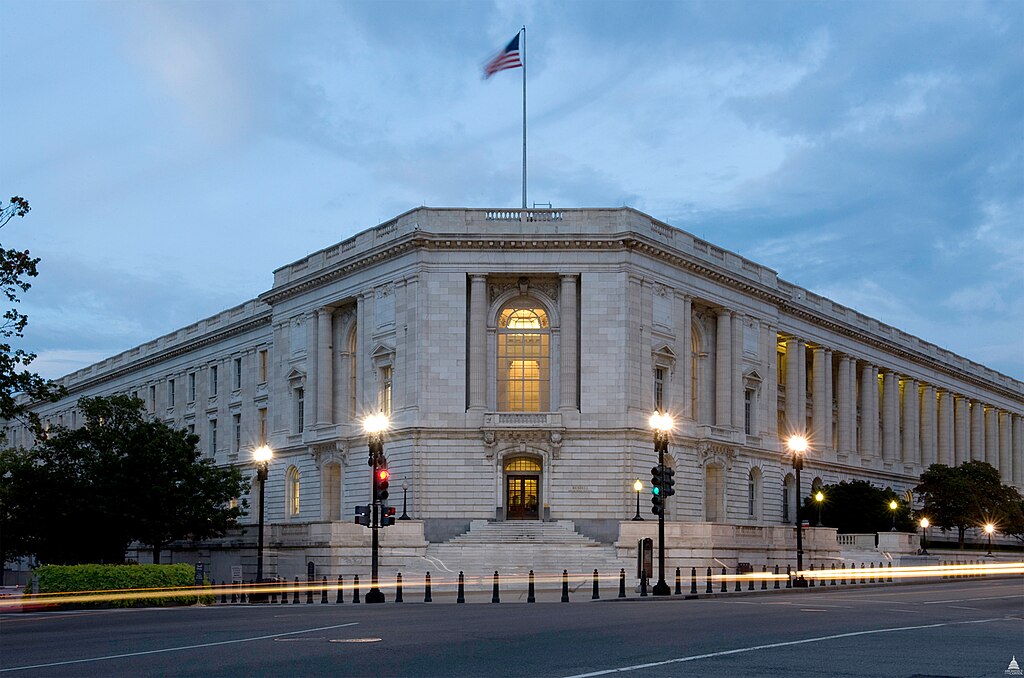
The Senate vote concerned cloture, a procedure used to end debate and move legislation forward. Because cloture requires support from 60 senators, the measure could no longer succeed once 41 lawmakers voted against it.
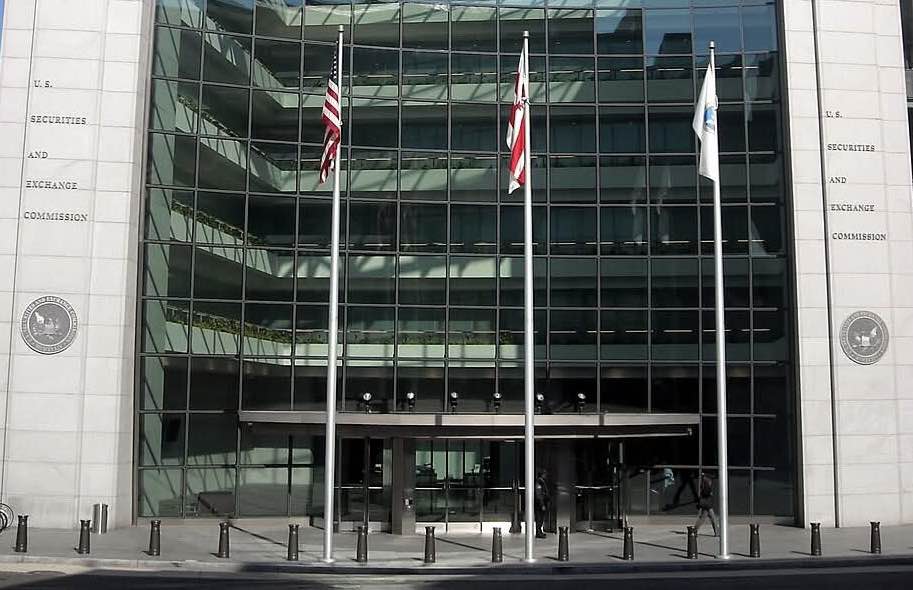
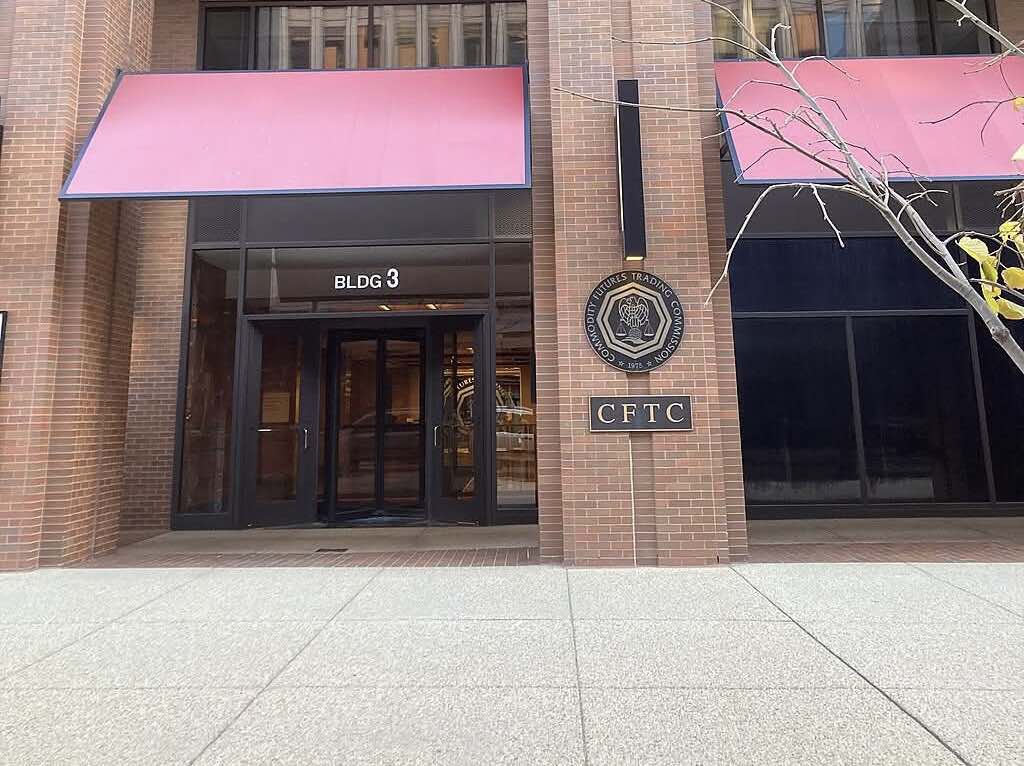
Formally known as the Digital Asset Market Clarity Act, the legislation seeks to establish clearer jurisdiction over digital assets between the Securities and Exchange Commission (SEC) and Commodity Futures Trading Commission (CFTC). The House passed the measure in 2025, while Senators Cynthia Lummis, John Boozman and Tim Scott have led efforts to advance it in the Senate.
Several Democrats involved in negotiations, including Kirsten Gillibrand, Mark Warner, Cory Booker, Raphael Warnock, Ruben Gallego, Angela Alsobrooks and Catherine Cortez Masto, voted against cloture. The revised legislation had also faced opposition from banking groups, 18 state attorneys general and Senator Elizabeth Warren.
The failure leaves crypto exchanges and token issuers operating under the existing U.S. regulatory framework. Supporters of the CLARITY Act argued that clearer SEC and CFTC responsibilities would reduce regulatory uncertainty and make it easier for digital asset companies to expand.
Crypto markets also reacted to the result. XRP and Stellar had rallied ahead of the Senate vote as traders anticipated possible progress, but some gains faded after the measure failed. Bitcoin initially declined before recovering.
Tuesday’s defeat does not permanently kill the CLARITY Act. Senate leaders could schedule another cloture vote, although there is no requirement to reconsider the legislation before the end of 2026. The setback could extend Europe’s regulatory advantage under its Markets in Crypto-Assets framework, which has been in effect since 2024.















Comment 0