

 News
News  Coin Information
  About us
  Customer Service




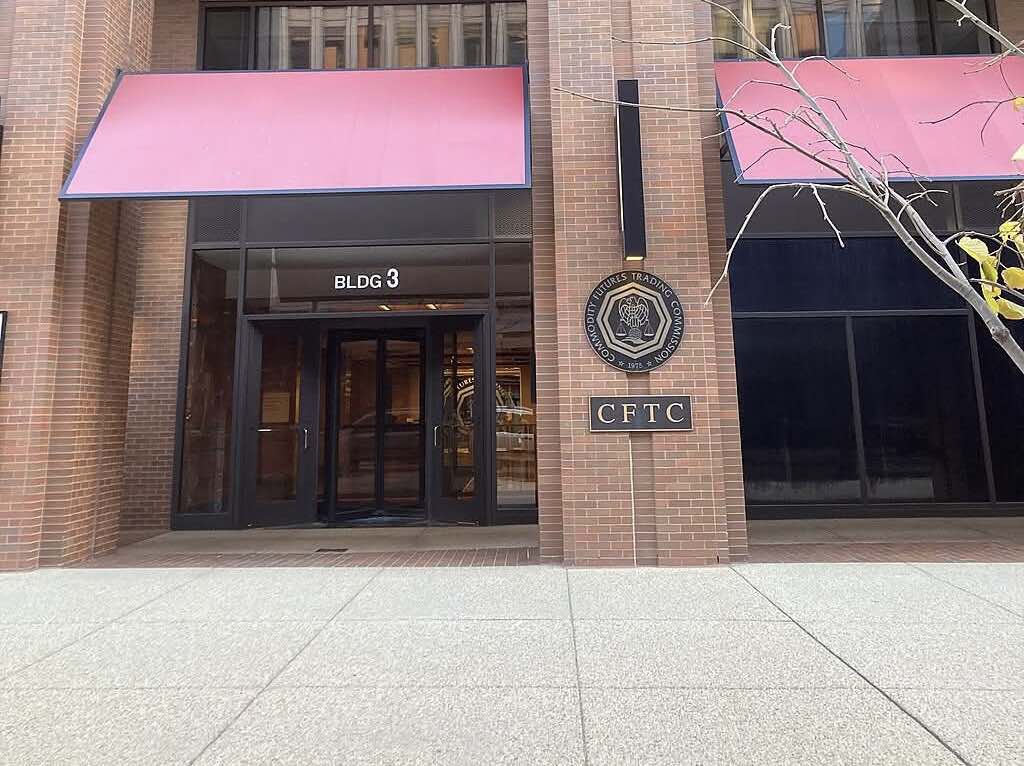
The U.S. Commodity Futures Trading Commission (CFTC) has taken a major step toward expanding the American cryptocurrency derivatives market by approving the listing and trading of bitcoin perpetual futures contracts. The decision allows registered firms to offer crypto perpetuals, commonly known as "perps," while complying with U.S. regulations.
Perpetual futures are popular crypto derivatives that enable traders to speculate on the future price of digital assets such as Bitcoin and Ethereum without an expiration date. Unlike traditional futures contracts, perpetuals can be held indefinitely, making them one of the most widely traded products in global crypto markets. The CFTC’s approval creates a regulated pathway for these products within the United States, an area that has historically been dominated by offshore exchanges.
The regulator approved Kalshi’s bitcoin-referenced perpetual futures contract, known as BTCPERP. Kalshi, widely recognized for its prediction markets platform, is expanding into the broader derivatives sector. According to CEO Tarek Mansour, regulated and onshore crypto perpetual futures could improve risk management and capital efficiency for American businesses while supporting the growth of digital asset markets.
In a related development, the CFTC issued a no-action letter to Coinbase, allowing certain perpetual futures products to be offered through its subsidiary. The guidance permits the use of digital assets, including bitcoin, ether, and selected stablecoins, as margin collateral for these products.
CFTC Chairman Mike Selig described perpetual futures as an essential tool for price discovery and risk management in crypto markets. He emphasized that bringing regulated crypto perpetual contracts to the U.S. supports the nation’s ambition to become a global leader in digital asset innovation. At the same time, regulators aim to reduce excessive leverage, market volatility, and systemic risks often associated with these products.
Despite the positive momentum, perpetual futures remain high-risk investments due to their volatility and frequent use of leverage. Recent market events have demonstrated how thin liquidity and large trading positions can trigger sudden price swings. Additionally, the CFTC’s current position is based on approvals and guidance rather than formal rules, meaning future regulatory changes remain possible.
The approval marks a significant milestone for the U.S. crypto industry, signaling growing regulatory acceptance of crypto derivatives while laying the foundation for further innovation, institutional participation, and market development in the digital asset sector.

















Comment 0