

 News
News  Coin Information
  About us
  Customer Service


 Add as a preferred source on Google

South Korean crypto watchdogs are again confronting an old problem in a new wrapper: multi-level-style solicitation that looks like ordinary exchange marketing. Recruiters are increasingly using overseas exchange ‘referral’ links—sweetened with ‘fee payback’ promises, futures rebates, and access to deposit products or launchpads—as the hook to pull retail investors into organized sales networks.
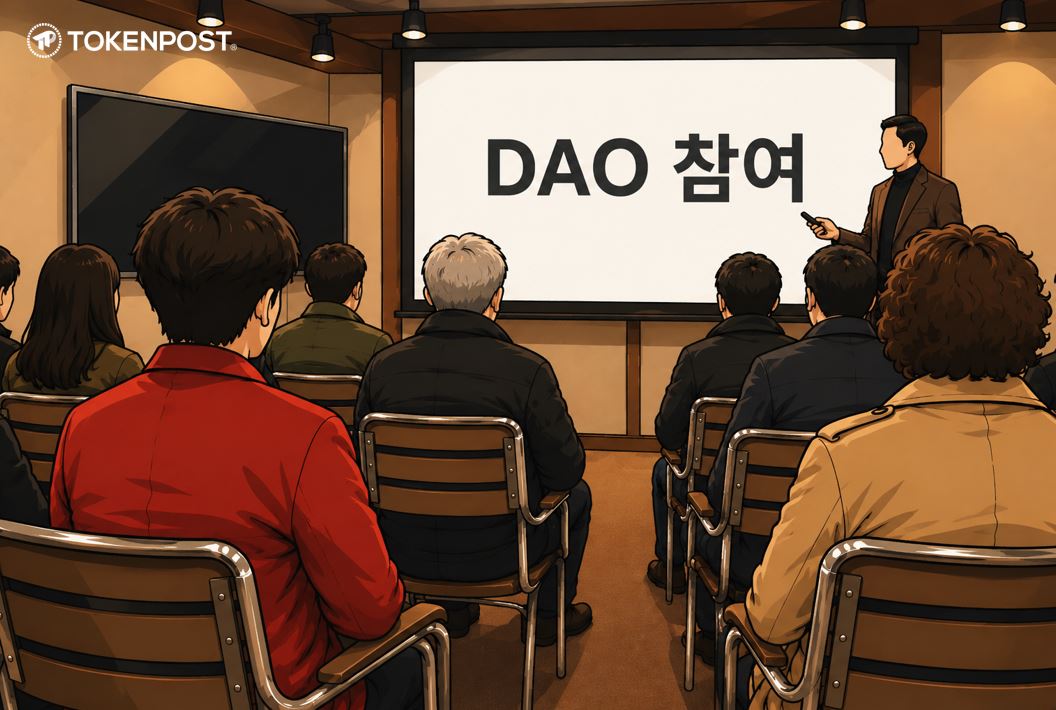
The approach is gaining visibility across Korean-language KakaoTalk and Telegram chatrooms, blogs, YouTube channels, and offline seminars, where would-be “community managers” present themselves as market guides. What begins as a stream of trading commentary—price outlooks, “AI signals,” or promising launchpad schedules—often narrows into a step-by-step funnel: join a specific exchange via a dedicated link, complete KYC, buy or deposit Tether (USDT), and then begin futures trading or subscribe to yield products.
On the surface, none of that is inherently illicit. Referral programs are common globally, and exchanges routinely offer fee discounts and sign-up bonuses to attract users. The risk emerges, however, when the marketing model is reshaped domestically into a recruitment-and-volume engine—one that can resemble a sales organization more than a neutral introduction to a trading venue.
When the ‘exchange’ becomes the bait
In these campaigns, the exchange brand is often framed less as infrastructure and more as an ‘investment platform’ that generates benefits simply for joining or trading. Promoters emphasize messages such as “trade and get your fees back,” “deposit for fixed returns,” or “bring in sub-members for extra rewards.” The investor may believe they are merely opening an account, but in practice they can be placed under a specific referral code in a hierarchical structure where commissions flow upward.
This distinction matters because incentives diverge. For the investor, profitability depends on market outcomes. For the recruiter, revenue can depend on activity—whether the investor makes or loses money—because commissions are tied to ‘trading volume’ and fee generation. In other words, the investor provides the stake, while the exchange and the referral network may split the “bill” via fees and rebates.
The funnel: from chatroom to leveraged trading
Tip-offs described in reports and shared materials follow a recurring pattern. A chatroom opens with general market talk and curated “signals.” Then a specific foreign exchange link appears, often accompanied by detailed onboarding instructions: how to register, pass KYC, set up a wallet, transfer funds, configure futures trading, and enroll in deposit products. Some channels go further by providing guidance on how to purchase USDT with Korean won—occasionally pointing to third-party “purchase agents” or informal routes.
At that point, the user is not only an exchange customer but also a node in a referral tree. As the user trades, a portion of the fees can flow to the upstream referrer. If the user recruits others, the structure deepens and the economic motivation shifts from helping users trade well to ensuring users trade often.
The phrase ‘fee payback’ can be particularly misleading. The “payback” is ultimately sourced from trading fees, meaning it grows only when trading occurs. The more frequent the trades, the larger the rebate pool—and the stronger the operator’s incentive to push constant activity.
Why futures make it more dangerous
The risks intensify when referral-driven communities steer participants toward futures and high leverage. Unlike spot trading, leveraged derivatives can lead to rapid liquidation. Yet some groups market futures as an easy entry point, telling participants they can start small, mirror “AI signals,” and lean on fee rebates to reduce the burden.
That sales pitch can mask a core conflict: referral income rises with leverage and turnover because higher-risk strategies typically generate more fees. If that incentive is not clearly disclosed, participants may not understand that the person guiding them could be paid more when they trade bigger, faster, and more often—even if their accounts are being depleted.
Adding copy-trading or automated systems can further blur accountability. Losses can be explained away as “market conditions,” “signal errors,” or user settings, while the fees that generated rebates and commissions are already locked in.
Advertising vs. brokering: where legal exposure can begin
The legal debate in Korea often centers on whether these activities remain ‘advertising’ or cross into brokering and solicitation. Korean regulators have previously signaled that operations which actively facilitate customer onboarding—directing users through partner exchanges, helping them transact, and collecting promotional fees—can trigger regulatory obligations under Korea’s anti-money laundering framework for virtual asset service providers (VASPs).
Applied to exchange referral campaigns, the line can shift when domestic promoters do more than mention an exchange. Providing a dedicated link, coaching KYC, assisting deposits and USDT purchases, pushing specific trading behaviors, and receiving commissions may be difficult to characterize as mere marketing—especially if conducted repeatedly and systematically toward Korean residents.
FIU warnings and the ‘unregistered’ risk
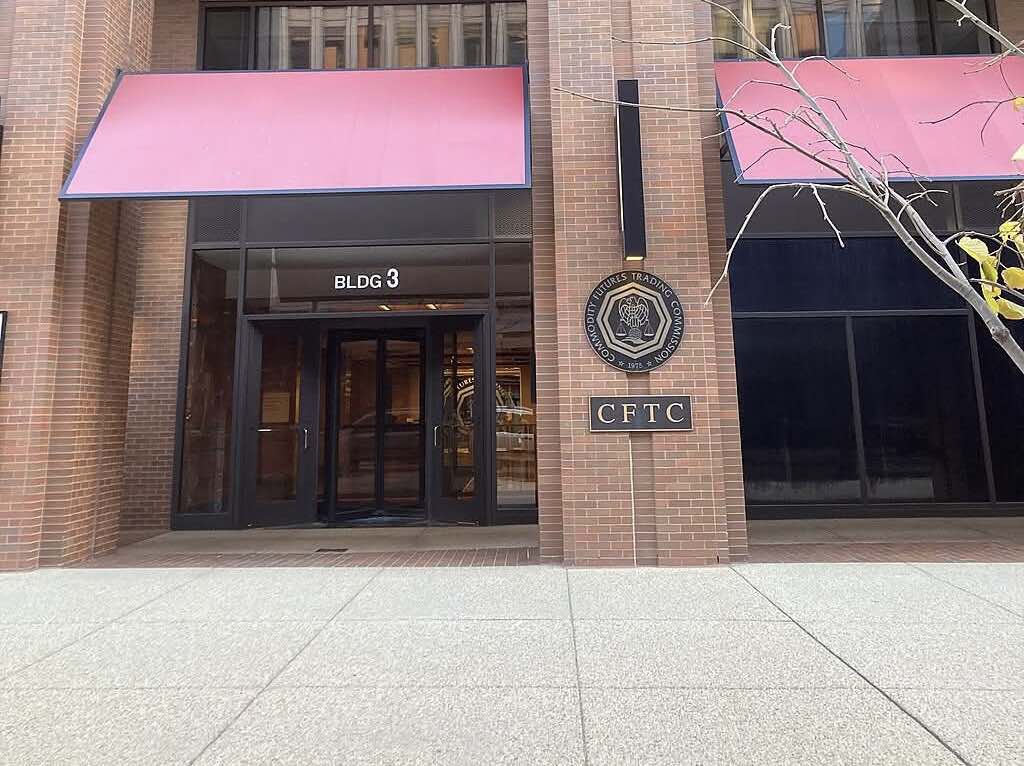
Korea’s Financial Intelligence Unit (FIU) has repeatedly warned about a rise in illegal virtual asset handling businesses operating through Telegram, open chatrooms, YouTube, and social media, including referral-style promotion and brokerage. In prior guidance, the FIU has emphasized that businesses soliciting Korean users without proper registration may be treated as illegal operators, highlighting indicators such as Korean-language services, won payment support, and Korea-targeted promotions.
For investors, the practical issue is protection. Korea’s user protection regime for digital assets focuses on segregation of customer assets, controls over custodial funds, and supervisory and enforcement powers to address unfair trading practices. But such protections are generally tied to regulated entities. When activity is routed to overseas platforms outside Korea’s supervisory perimeter, recourse can be limited if withdrawals are delayed, accounts are frozen, or products are halted.
Clone pages and fake “exchange” fronts
Another layer of risk comes from copycat landing pages and unofficial domains that mimic well-known exchange branding. In some cases, the “customer support” channel may not be the exchange at all, but a domestic promoter managing communications. This can leave users uncertain about who actually received their funds, which entity’s terms apply, and where liability sits if something goes wrong.
Investigators and victims’ advocates increasingly stress that the crucial evidence is not the exchange name presented in a chatroom, but the underlying infrastructure: the URL and app distribution path, the referral code attribution, deposit wallet addresses, fiat on-ramp accounts, and the actual flow of funds on-chain.
Deposit products and launchpads as add-on lures
Some campaigns go beyond trading into deposit products, launchpads, pre-sale allocations, or “mining-style” offerings. Promoters pitch them as special opportunities unlocked after joining, suggesting daily returns or post-listing upside. Here, the exchange brand serves as a ‘trust anchor’—implying that if it appears inside an exchange interface, it must be vetted.
But investors must still determine whether the product is issued by the exchange, a partner project, or a bundle created by promoters. When ‘fixed returns,’ principal recovery narratives, referral commissions, and urgency marketing appear together—“limited allocation,” “join now,” “pre-listing opportunity”—the structure can look less like a standard exchange feature and more like a fundraising and recruitment scheme.
Red flags: what ties the structure together
Across cases described in shared materials, warning signs tend to cluster: repeated distribution of a specific sign-up link in Korean chatrooms; referral codes treated as mandatory; heavy emphasis on ‘fee payback’ alongside pressure to increase volume; simplified encouragement of high-leverage futures; hands-on assistance with KYC, wallets, and USDT acquisition; promotion of deposit products and launchpads as high-yield paths; rewards for recruiting sub-members; uncertainty about FIU registration status; diversion to non-official landing pages; and unclear responsibility when losses or withdrawal delays occur.
When several of these elements appear together, the risk profile changes. The core issue is not whether a foreign exchange has a referral program—a common industry practice—but whether domestic recruiters are using that program to build a sales network whose returns are driven by onboarding and churn.
Ultimately, the story is about incentives and transparency. A legitimate exchange can still be used as a vehicle for questionable solicitation if the domestic distribution model is engineered around recruitment, volume, and commission extraction. In that environment, the most important details are rarely the logo on the app—rather, the ‘referral code,’ the fee flow, and who benefits when trading accelerates.
🔎 Market Interpretation
- Old-style MLM tactics are reappearing via modern exchange referral tools: Overseas exchange referral links, fee rebates, and “payback” offers are being repackaged into recruitment-centric sales funnels targeting Korean retail users.
- Distribution has shifted to influencer-like communities: KakaoTalk/Telegram rooms, YouTube, blogs, and offline seminars blend market commentary (“AI signals,” outlooks) with guided onboarding that ultimately steers users to specific platforms and products.
- The core conflict is incentives, not the existence of referrals: Exchanges commonly offer referral discounts, but the risk spikes when domestic promoters monetize user activity (volume/fees) regardless of whether users profit.
- Futures and leverage amplify harm: Referral income can rise with turnover and leverage, encouraging high-frequency, high-risk trading that increases liquidation odds while still generating fees and commissions.
- Jurisdiction and protection gaps: When Korean users are routed to overseas platforms outside local supervision, practical recourse may be limited in cases of withdrawal delays, account freezes, or product shutdowns.
- Brand mimicry increases fraud surface: Clone landing pages, unofficial domains, and “support” channels run by promoters can obscure who controls funds and which terms actually apply.
💡 Strategic Points
- Separate “marketing” from “solicitation” behavior: A red line emerges when promoters do more than mention an exchange—e.g., providing dedicated links, coaching KYC, assisting deposits/USDT purchases, instructing futures setup, and receiving ongoing commissions.
- Interrogate the ‘fee payback’ claim: “Payback” typically comes from trading fees; it grows only when trading occurs. Treat it as an incentive to churn, not a reduction of investment risk.
- Watch for mandatory referral-code placement: If joining under a specific code is presented as required, it may indicate a hierarchical revenue structure where commissions flow upward.
- Be cautious of high-leverage ‘easy entry’ messaging: Pitches that combine small starting capital + copy/AI signals + rebates can downplay liquidation risk and conceal the promoter’s fee-based incentive.
- Validate the infrastructure, not the logo:
- Confirm the official domain/app distribution path (avoid look-alike URLs and sideloaded apps).
- Identify the referral attribution (code, link parameters) and understand who earns from your volume.
- Verify deposit addresses and on-chain flows; keep records of tx hashes and wallet destinations.
- Scrutinize fiat/USDT “purchase agents” or informal KRW routes—these can introduce AML/legal and custody risks.
- Treat deposit products/launchpads as separate risk decisions: Determine whether the product is issued by the exchange, a third-party partner, or a promoter-created bundle—especially when “fixed returns,” urgency, and recruitment rewards appear together.
- Regulatory exposure is a two-sided risk: Promoters may face scrutiny under Korea’s AML/VASP framework; users may face reduced protections if interacting with unregistered, Korea-targeting operations.
- Practical red-flag checklist: Repeated Korean-language pushes of one sign-up link, compulsory codes, pressure to increase volume, heavy futures focus, hands-on onboarding, recruiting sub-members, unclear FIU registration status, off-domain landing pages, and vague accountability for losses or withdrawal issues.
📘 Glossary
- Referral Link / Referral Code: A tracking identifier used by exchanges to credit a promoter for sign-ups and/or trading activity, often tied to commission payments.
- Fee Payback / Rebate: A return of a portion of trading fees, typically funded by the fees generated from the user’s own trading volume (not “free money”).
- Futures (Derivatives) Trading: Contracts that allow leveraged exposure to price movements; can cause rapid losses via liquidation.
- Leverage: Borrowed exposure that magnifies gains and losses; higher leverage generally increases liquidation risk and fee generation through turnover.
- Liquidation: Forced closing of a leveraged position when margin is insufficient, often resulting in sudden loss of capital.
- Copy-Trading: A feature that mirrors another trader’s positions; can obscure responsibility when losses occur while fees are still incurred.
- KYC (Know Your Customer): Identity verification required by many exchanges; “assisted KYC” by promoters may indicate deeper involvement than simple advertising.
- USDT (Tether): A USD-pegged stablecoin commonly used for deposits and trading pairs; frequently the on-ramp asset in these funnels.
- Launchpad: Exchange-hosted token sale or early allocation program; can be used as a lure when framed as “exclusive access” after joining via a link.
- Deposit/Yield Product: Products offering interest-like returns on deposited crypto; risk depends on issuer, structure, and custody/lock-up terms.
- VASP (Virtual Asset Service Provider): A regulated category covering certain crypto-related services; in Korea, registration/AML obligations can apply depending on the activity.
- FIU (Financial Intelligence Unit): Korean authority involved in AML oversight that has issued warnings about illegal crypto handling and Korea-targeted solicitation.
- Clone Page / Phishing Domain: A fake site mimicking an exchange to capture logins, deposits, or direct funds to attacker-controlled addresses.


















Comment 0