
 Add as a preferred source on Google
White House Crypto Talks Continue as Stablecoin Yield Dispute Stalls U.S. Digital Assets Legislation
Progress was made this week on U.S. digital assets legislation, but no final compromise emerged after a White House-hosted meeting between crypto industry leaders and banking executives. The discussions, focused on ad…

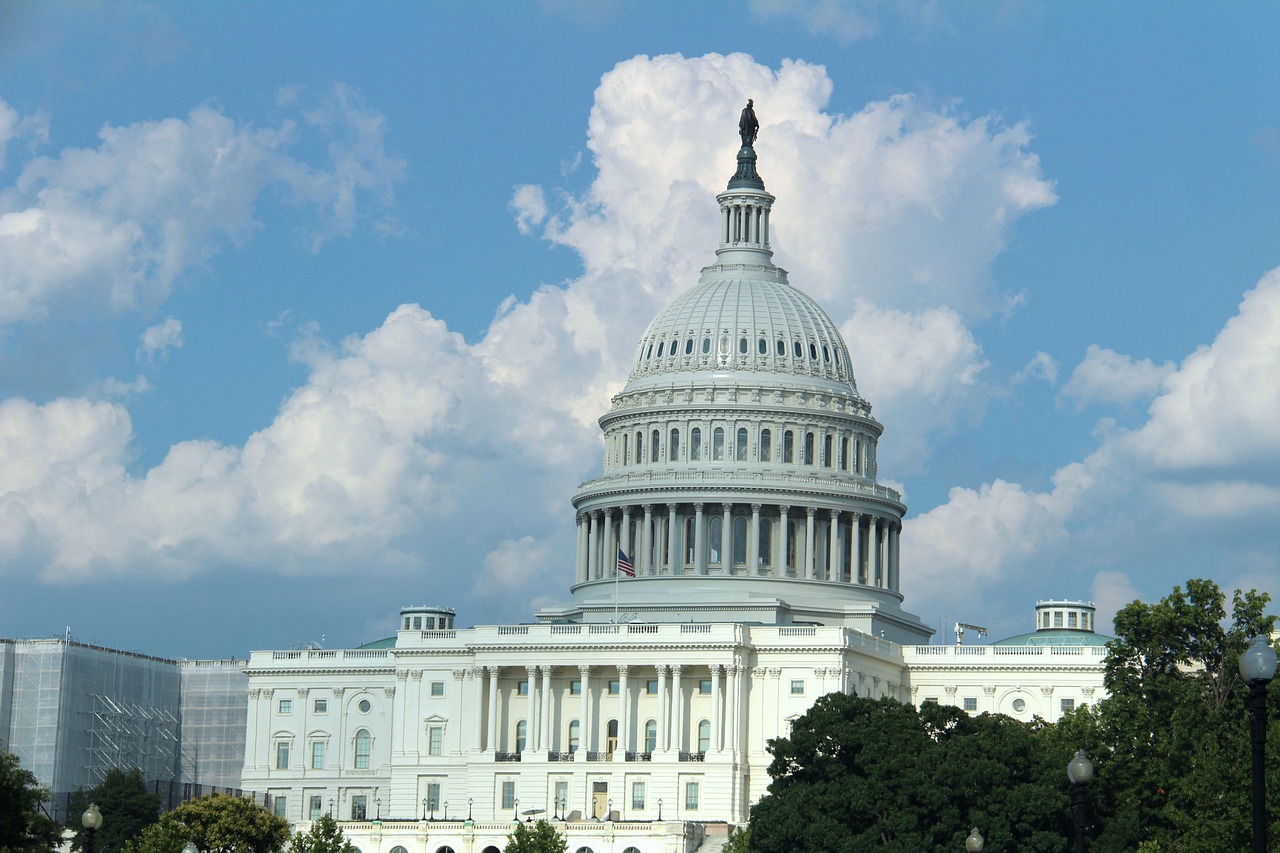
Progress was made this week on U.S. digital assets legislation, but no final compromise emerged after a White House-hosted meeting between crypto industry leaders and banking executives. The discussions, focused on advancing the Digital Asset Market Clarity Act, highlight ongoing tensions over stablecoin regulation and the future of crypto market structure in the United States.
According to attendees, the meeting marked the third attempt to break a legislative deadlock that has slowed momentum for comprehensive crypto regulation. Ji Kim, CEO of the Crypto Council for Innovation, described the talks as constructive and emphasized the importance of continued engagement to create a regulatory framework that protects American consumers while strengthening U.S. competitiveness in digital assets. Coinbase Chief Legal Officer Paul Grewal echoed that sentiment, noting further progress and a cooperative tone among participants.
The primary sticking point remains whether stablecoin issuers should be allowed to offer yield or rewards to users. Under the previously passed Guiding and Establishing National Innovation for U.S. Stablecoins (GENIUS) Act, crypto firms can provide certain incentives. However, U.S. banking groups argue that stablecoin rewards threaten traditional deposit-based banking models and are pushing for a complete ban within the Clarity Act. Earlier compromise proposals suggested limiting rewards to specific transactions rather than static holdings, but banks have so far resisted.
Even if industry stakeholders reach agreement, the legislation still faces hurdles in Congress. The Senate Banking Committee has yet to advance the bill, and bipartisan support remains uncertain. Democratic lawmakers are demanding stronger safeguards, including restrictions on senior government officials holding significant crypto interests, filling vacancies at the SEC and CFTC, and tighter anti-money laundering controls, particularly in decentralized finance (DeFi).
The Clarity Act remains a top priority for the crypto industry, which believes clear U.S. crypto regulations could unlock significant investment and accelerate the integration of digital assets into the broader financial system.
Riza Dagoc
Riza Dagoc reports on regulation, investing and the digital-asset business for TokenPost. Send corrections or tips to info@tokenpost.com.