

 News
News  Coin Information
  About us
  Customer Service


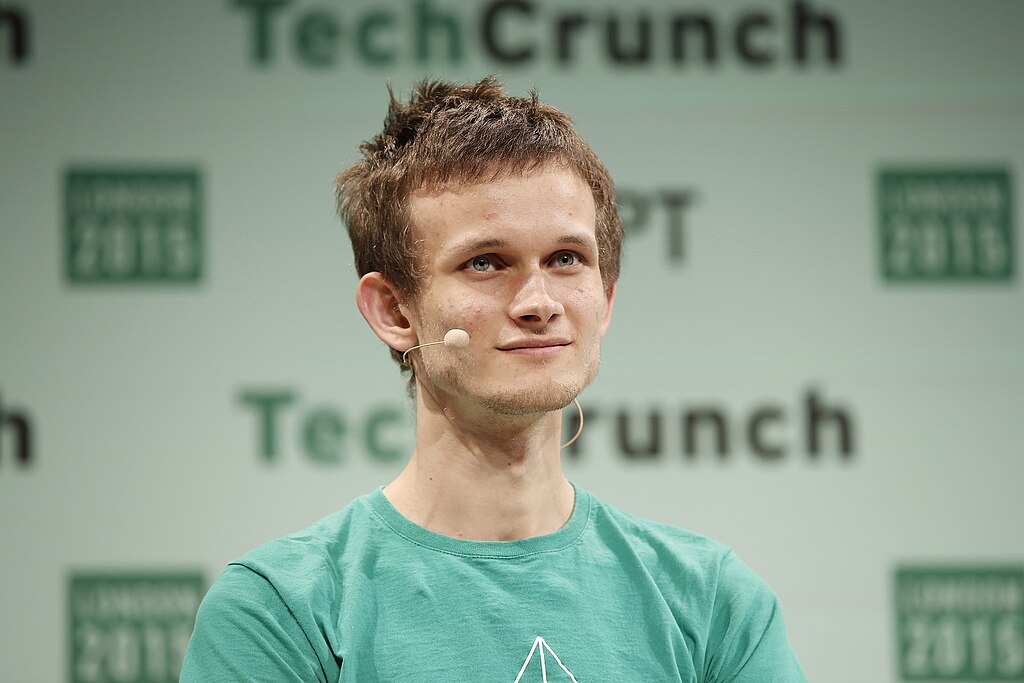
Ethereum cofounder Vitalik Buterin has unveiled a bold proposal to overhaul decentralized autonomous organizations (DAOs) by integrating personal artificial intelligence agents into digital governance. The plan aims to address persistent challenges in DAO governance, including low voter participation, power centralization, and voter apathy.
In a recent post on X, Buterin suggested that instead of delegating votes to large token holders, individual participants could deploy personal AI models trained on their past messages, preferences, and values. These AI agents would cast votes on their behalf across the thousands of proposals DAOs face, helping to scale decentralized governance without sacrificing user autonomy.
Buterin emphasized that the growing complexity of DAO ecosystems makes it unrealistic for most token holders to stay informed on every decision. Personal large language models (LLMs), he argued, can solve this “attention problem” by automating routine voting tasks while flagging critical issues for human oversight. This approach could significantly improve governance efficiency while maintaining decentralization.
Privacy and anonymity are central to the proposal. Buterin recommends using secure technologies such as multi-party computation (MPC) and trusted execution environments (TEEs) to protect sensitive information processed by AI agents. These tools allow private data—such as legal disputes or job applications—to be evaluated without exposing details on public blockchains.
To protect voter anonymity and prevent coercion or bribery, Buterin also calls for zero-knowledge proofs (ZKPs). ZKPs enable users to prove voting eligibility without revealing wallet addresses or voting choices, reducing the influence of “whale watching,” where smaller investors copy large token holders.
Additionally, prediction markets could help filter spam and low-quality proposals. AI agents would place bets on the likelihood of proposal approval, rewarding accurate predictions and discouraging noise. If implemented, this AI-driven DAO governance model could redefine blockchain voting, enhance privacy, and strengthen decentralized decision-making across the Web3 ecosystem.














Comment 0