

 News
News  Coin Information
  About us
  Customer Service


 Add as a preferred source on Google

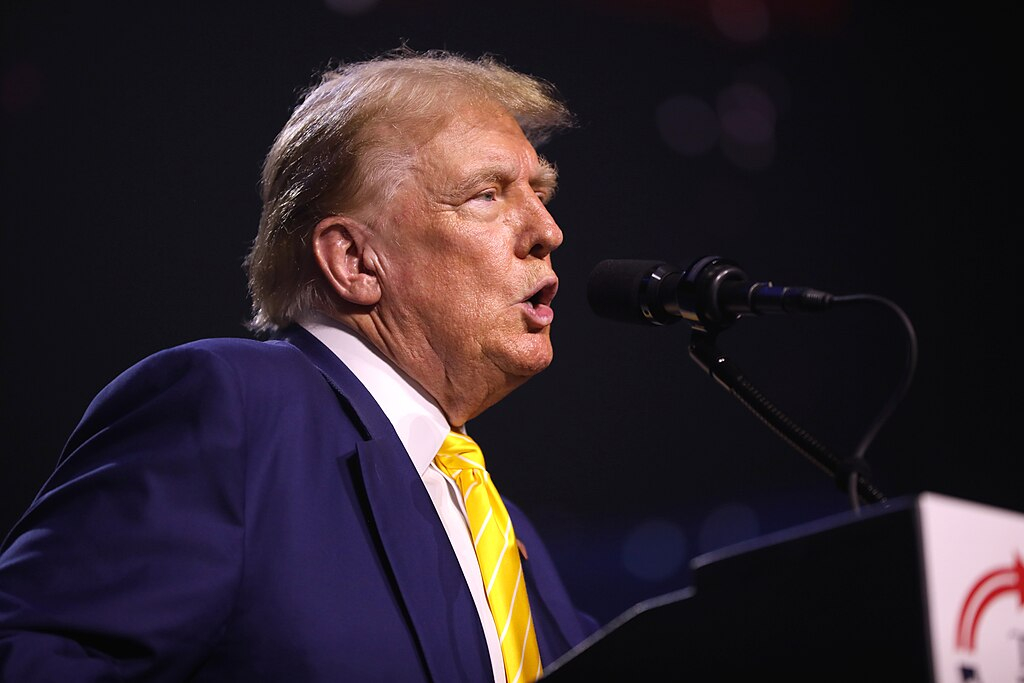
President Donald Trump has indicated he may consider pardoning Keonne Rodriguez, CEO of the privacy-focused Bitcoin wallet Samourai, a move that has reignited debate around cryptocurrency privacy, developer liability, and potential clemency for other convicted crypto figures. Rodriguez was sentenced last month to five years in federal prison on money laundering charges related to the operation of a crypto mixing service.
During a Dec. 15 press briefing, Trump responded to a reporter’s question about Rodriguez’s case by saying, “I’ve heard about it. I’ll look at it,” after being told of growing support for clemency within the crypto community. The case began under the Biden administration and continued through Trump’s Department of Justice, adding political weight to the discussion.
Rodriguez, 37, and Samourai co-founder William Lonergan Hill, 67, were convicted of facilitating the laundering of more than $237 million in illicit cryptocurrency transactions. Prosecutors argued that the pair went beyond developing privacy software and actively promoted their services to criminal users. Rodriguez received a five-year sentence, while Hill was sentenced to four years; both were fined $250,000.
The announcement drew mixed reactions. Crypto advocates see potential momentum for more favorable crypto regulation and even broader pardons, with some calling for clemency for figures such as Tornado Cash developer Roman Storm or Terra founder Do Kwon. Critics, however, pointed to weak crypto market performance during Trump’s presidency, noting steep declines across major digital assets.
According to court filings, the Department of Justice presented evidence that undermined the “simple developer” defense. Hill allegedly promoted Samourai on darknet forums, while Rodriguez reportedly encouraged hackers to use the service and privately described mixing as “money laundering for bitcoin.” Prosecutors linked Samourai transactions to drug trafficking, cybercrime, sanctions violations, and other serious offenses.
The case has broader implications for cryptocurrency regulation and open-source development. While privacy advocates warn of a chilling effect on innovation, law enforcement maintains that knowingly facilitating criminal activity crosses legal boundaries. With Congress still debating crypto legislation and Trump having previously pardoned crypto figures like Ross Ulbricht and Changpeng Zhao, speculation over future presidential clemency in the crypto sector continues to grow.


















Comment 0