

 News
News  Coin Information
  About us
  Customer Service




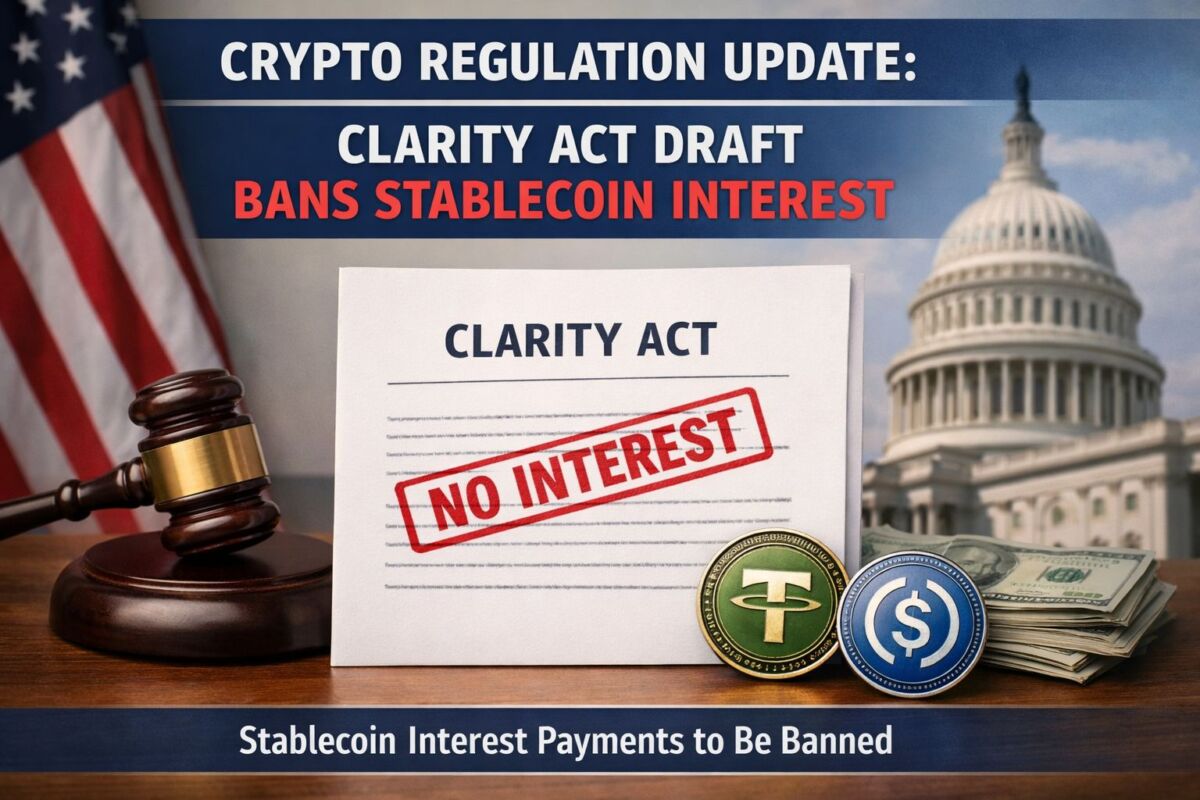
White House-led negotiations over the Clarity Act ended without a deal this week, underscoring deep divisions between the crypto industry and banking lobbyists over stablecoin yields, while a newly disclosed UAE investment linked to President Donald Trump’s family crypto venture adds fresh political risk to the bill. Intended to provide long-awaited regulatory clarity for US crypto markets, the Clarity Act is now entangled in controversy that could delay or derail its passage.
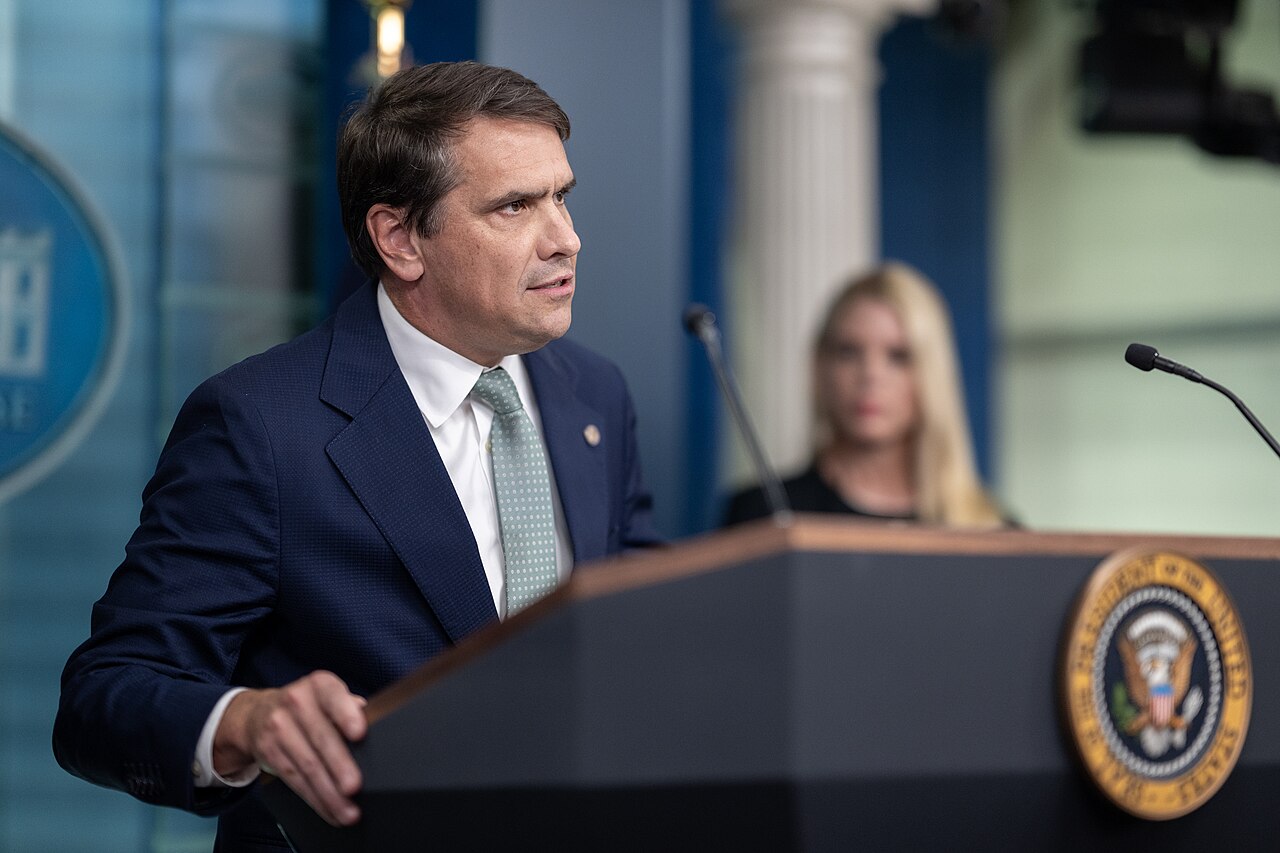
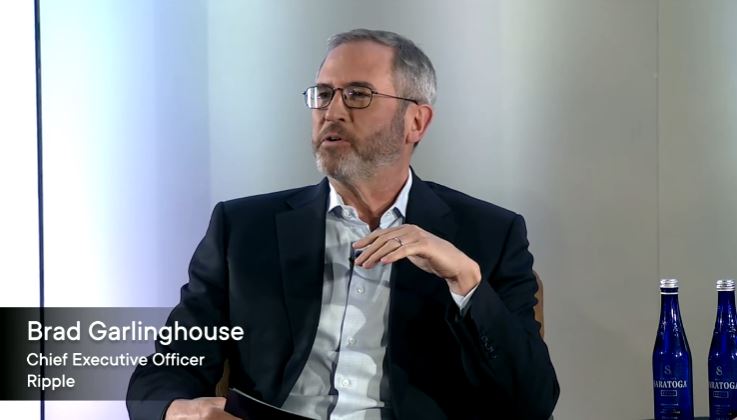
The talks, held at the Eisenhower Executive Office Building and hosted by presidential crypto adviser Patrick Witt, brought together major crypto firms including Coinbase, Circle, and Ripple, alongside banking trade groups. After hours of discussion, the central issue remained unresolved: whether crypto platforms should be allowed to offer yield or interest on stablecoins. The White House has urged both sides to reach a compromise by the end of the month, but tensions remain high.
Treasury estimates suggest that allowing stablecoin yields could shift as much as $6.6 trillion in deposits away from traditional banks, a prospect bankers warn could create a parallel, lightly regulated financial system. Crypto executives argue instead that banks are resisting innovation and competition. The dispute intensified earlier this year when Coinbase CEO Brian Armstrong publicly withdrew support for the bill, stating that flawed legislation would be worse than no legislation at all.
Complicating matters further is a Wall Street Journal report revealing that Sheikh Tahnoon bin Zayed Al Nahyan, a senior UAE official, acquired a 49% stake in World Liberty Financial, the Trump family’s crypto company, shortly before Trump’s inauguration. Ethics experts have raised alarms about potential conflicts of interest, especially given subsequent diplomatic and financial interactions between the US and UAE involving crypto, AI chips, and major investments.
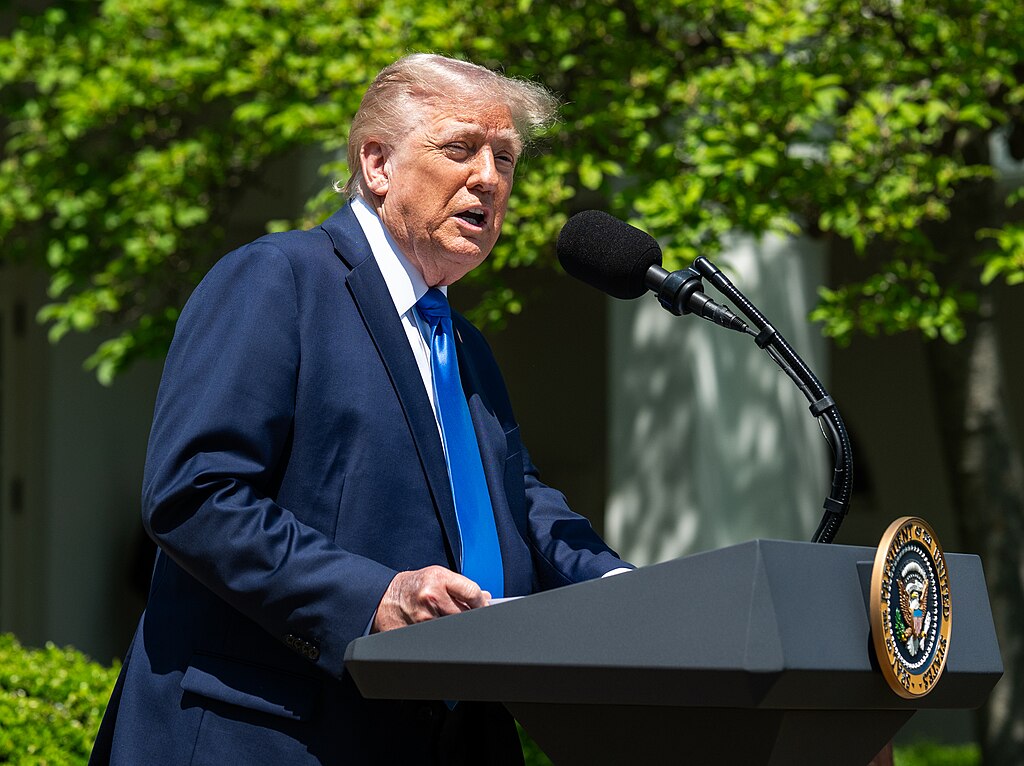
If enacted, the Clarity Act would regulate all US stablecoins, including World Liberty Financial’s USD1, placing Trump in the unprecedented position of signing legislation that directly affects his family’s business. Democrats have seized on this irony, calling for stronger ethics, anti-money-laundering safeguards, and full regulatory staffing. With the bill still awaiting Senate Banking Committee approval, its path forward is narrowing. Market uncertainty is already evident, with Bitcoin sharply down from recent highs, reflecting growing doubt over the future of US crypto regulation.













Comment 0