

 News
News  Coin Information
  About us
  Customer Service



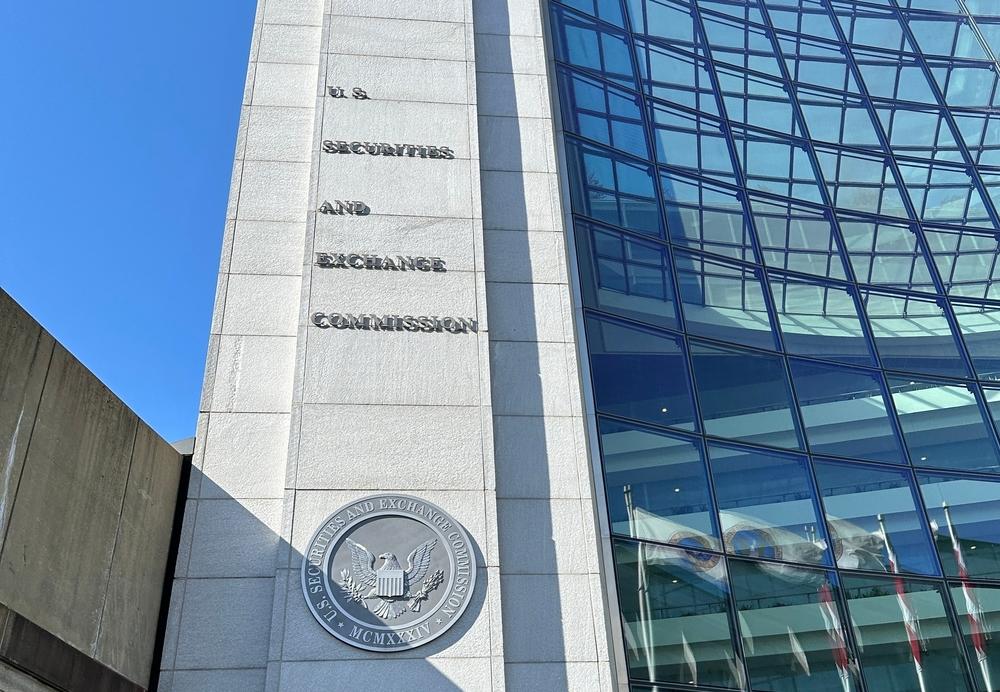
The U.S. Securities and Exchange Commission (SEC) and the Commodity Futures Trading Commission (CFTC), the two federal agencies most influential in shaping the future of crypto regulation in the United States, are signaling a renewed effort to work together on defining digital asset jurisdictions. At a joint public event held Thursday, leaders from both agencies emphasized collaboration as Congress continues to move slowly on comprehensive crypto legislation.
Despite ongoing delays on Capitol Hill, regulators are taking steps to provide greater clarity and regulatory certainty for the crypto industry. Newly confirmed CFTC Chairman Mike Selig, sworn in just last month, used his first major public appearance to outline an ambitious crypto-focused agenda. His plans include advancing rules to clearly define crypto assets, regulating prediction markets, and supporting innovation while maintaining market integrity.
Selig announced that the CFTC intends to align with the SEC’s proposed “commonsense crypto asset taxonomy,” a framework designed to distinguish between digital commodities, collectibles, tools, and securities. This collaboration aims to make clear that not all digital assets fall under securities laws. He said staff from both agencies are working together to explore joint codification of this framework as an interim solution while Congress finalizes legislation.
Calling the moment “the beginning of a new chapter for the CFTC,” Selig described digital assets as foundational to modern markets and emphasized the agency’s role as a forward-looking regulator. He also revealed that the CFTC’s prior “crypto sprint” initiative will evolve into a broader partnership called Project Crypto.
SEC Chairman Paul Atkins, whose tenure has marked a sharp shift from the enforcement-heavy approach of his predecessor, praised Selig’s leadership and echoed the commitment to harmonized standards. Atkins said the agencies will use every available tool to reduce regulatory friction and build market confidence. While the SEC will continue overseeing securities, including tokenization, major cryptocurrencies like bitcoin and ether remain under CFTC jurisdiction.
Selig’s agenda also includes enabling tokenized collateral, bringing crypto derivatives like perpetual futures onshore, establishing safe harbors for software developers, creating a new registration category for retail crypto trading platforms, and drafting new rules for event-based prediction markets. Together, these moves signal a more coordinated and innovation-friendly era for U.S. crypto regulation.















Comment 0