

 News
News  Coin Information
  About us
  Customer Service


 Add as a preferred source on Google
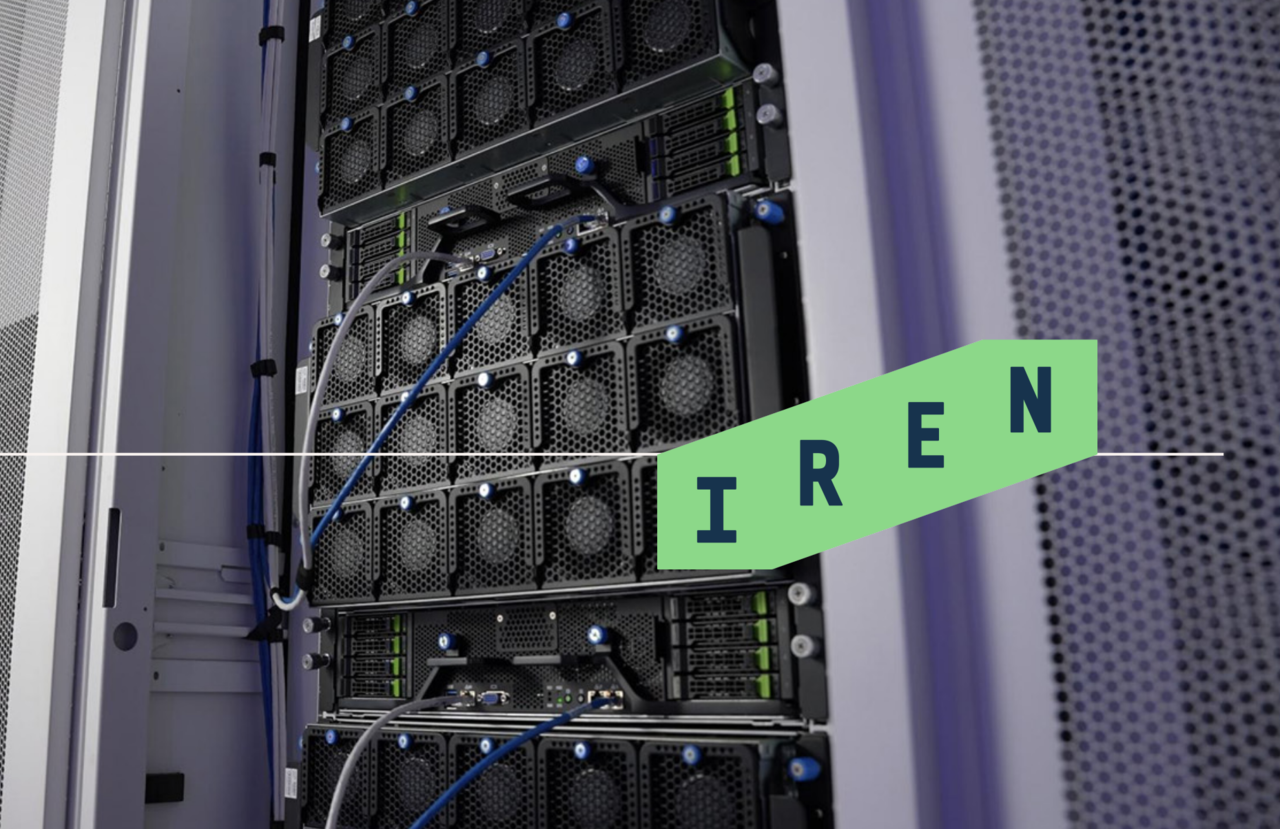
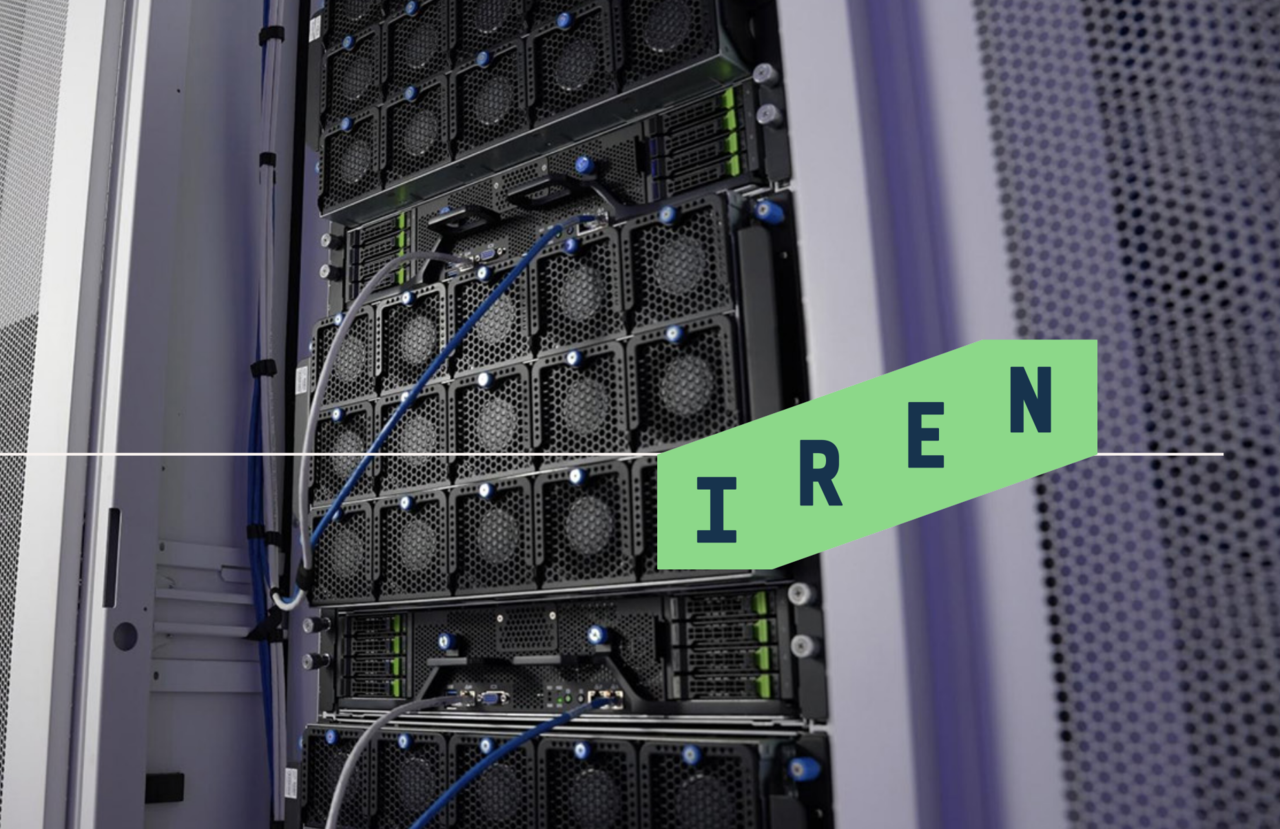
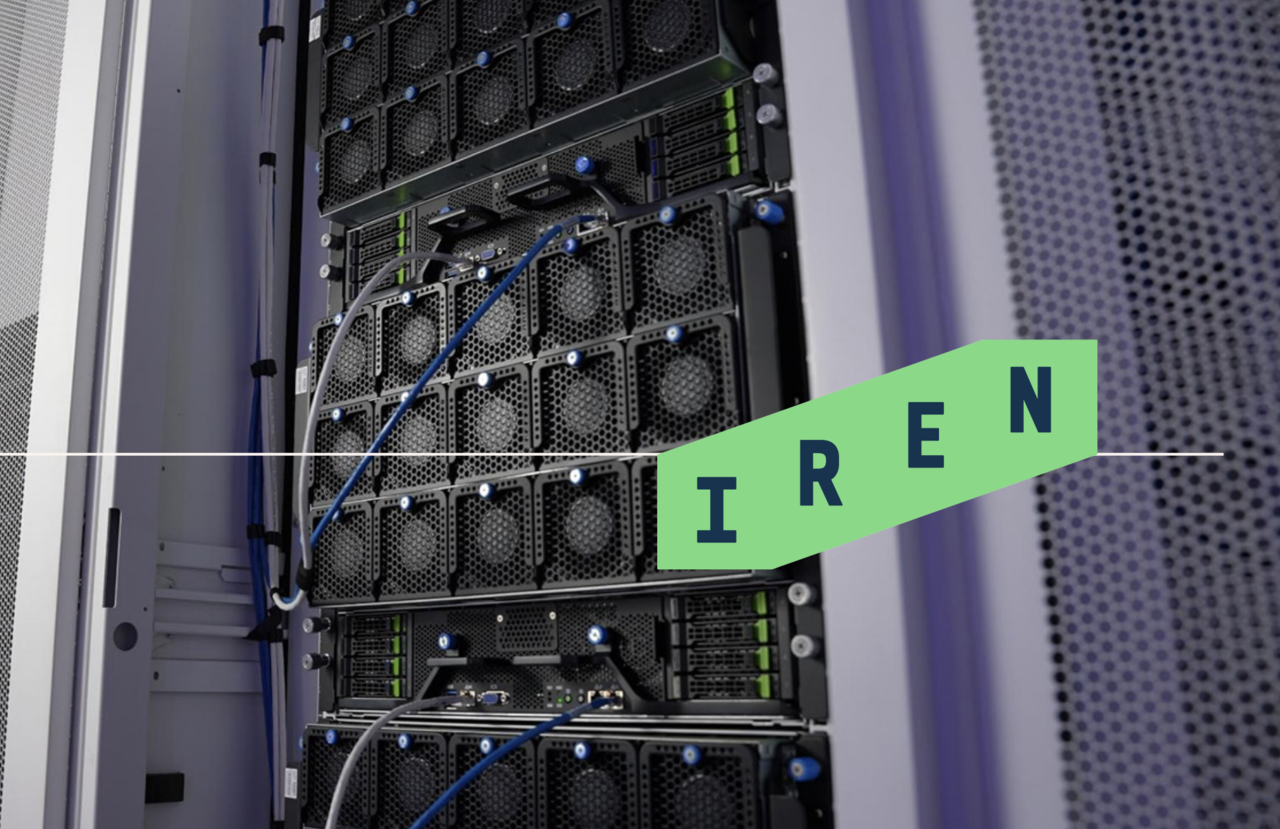
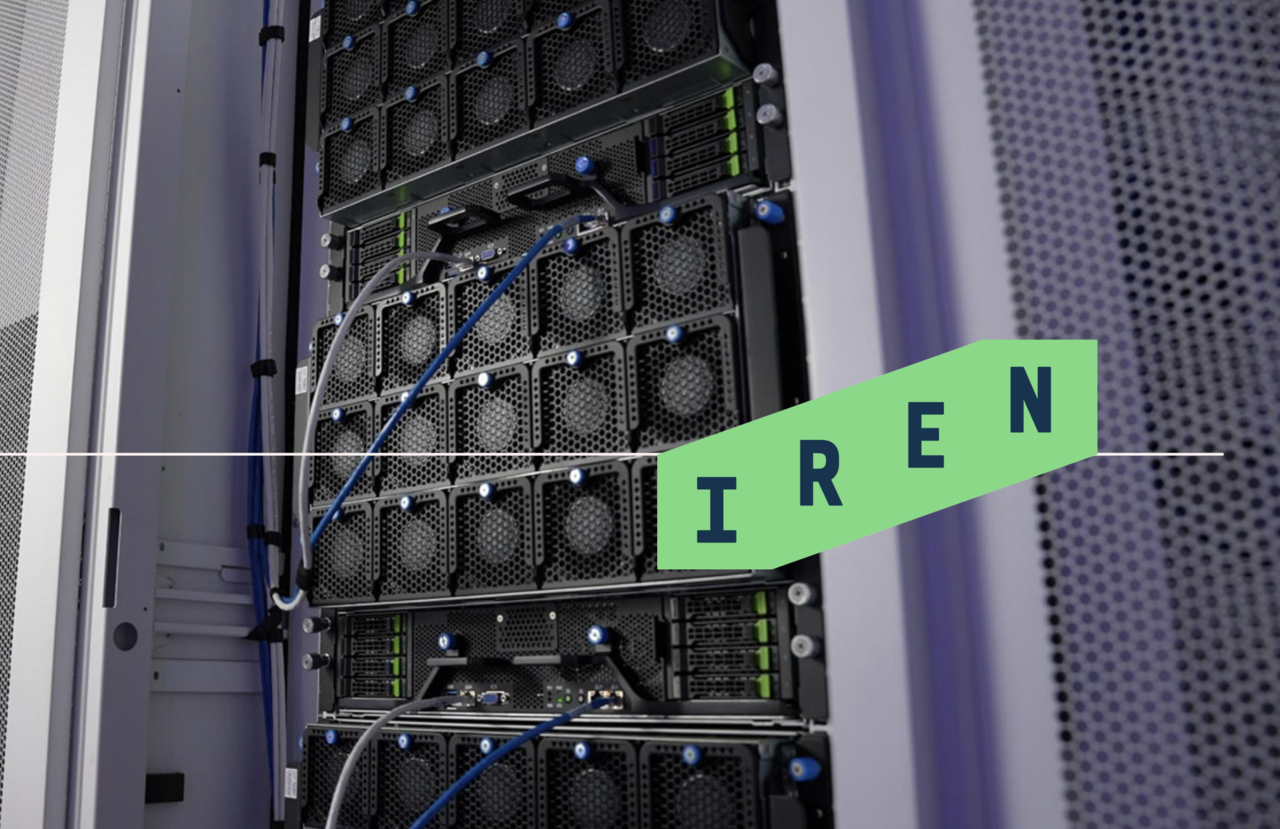
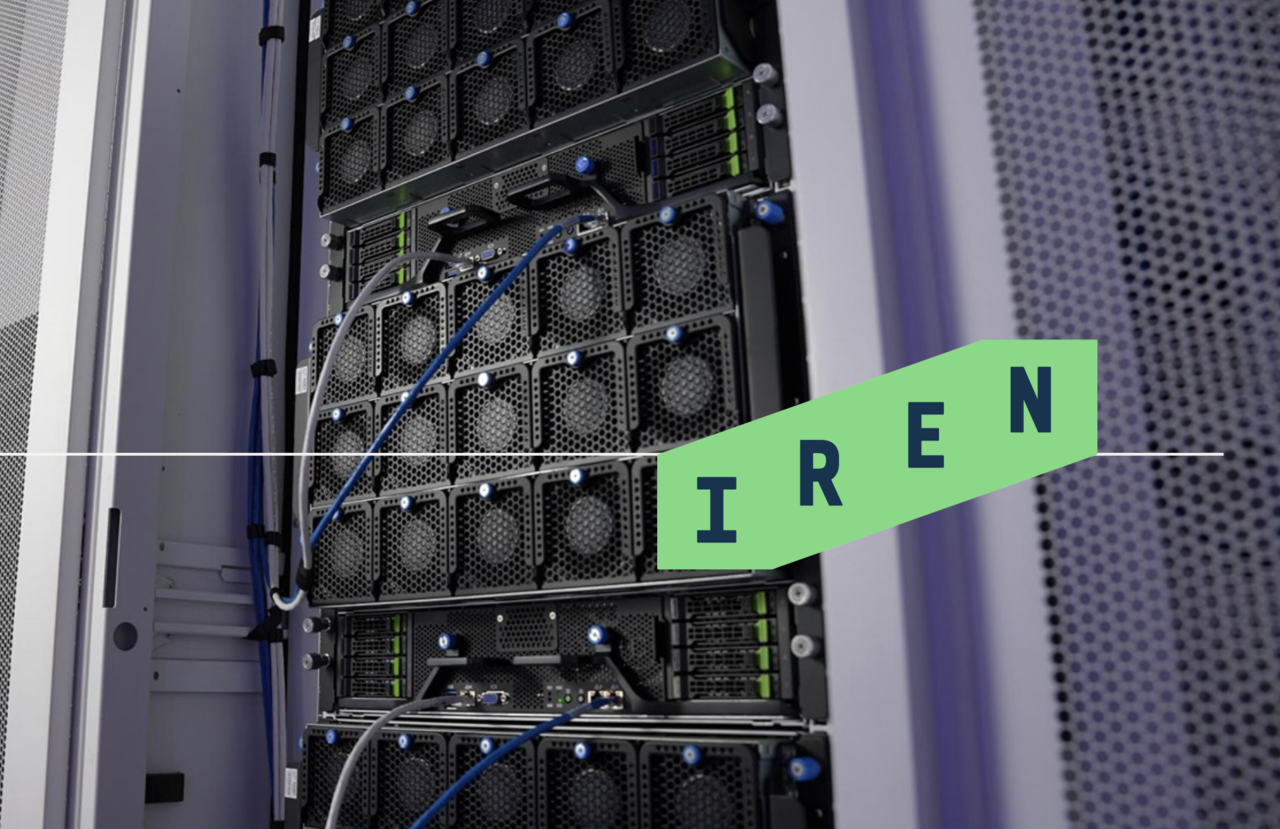
IREN ($IREN) is drawing fresh attention as it accelerates a sweeping pivot from a Bitcoin (BTC) mining specialist into an AI data center and GPU cloud infrastructure provider—a shift that is reshaping its valuation debate and amplifying day-to-day volatility in the stock.
On the most recent trading day, IREN shares closed at $47.21, down 1.11% from the prior session, after swinging between an intraday high of $48.39 and a low of $45.05. The wide range underscored how tightly the name is now trading around headlines on AI capacity buildouts, financing updates, and broader crypto market sentiment.
Wall Street expectations remain notably elevated. Based on a 12-month consensus from 20 analysts tracked by MarketBeat, IREN’s average price target stands at $82.36—implying roughly 74% upside from current levels—while targets range from $46 on the low end to $105 at the high end. The consensus rating is ‘moderate buy.’ Technicians are also watching the mid-$40s closely, with the $45–$46 area widely viewed as near-term support and $50 as a key resistance level that could cap rallies absent new catalysts.
The company’s strategic repositioning has been crystallized by two marquee counterparties. IREN recently announced a five-year AI cloud agreement with Microsoft ($MSFT) valued at $9.7 billion, alongside $3.65 billion in GPU-focused financing intended to support deployment. The disclosure sparked an immediate positive reaction, sending the shares up around 5% on the day of the announcement as investors repriced the revenue visibility implied by contracted AI demand.
A separate partnership framework with Nvidia ($NVDA) has further strengthened the market narrative that IREN is moving from a cyclical mining operator toward longer-duration infrastructure cash flows. Under the arrangement, Nvidia secured warrants that could enable up to $2.1 billion of investment in IREN, and Nvidia’s spending on IREN’s cloud services over the next five years is expected to reach as much as $3.4 billion. IREN, for its part, plans to purchase Nvidia AI servers and provide dedicated cloud computing capacity, including deployment of Nvidia’s latest ‘Blackwell’ GPUs at its Childress campus in Texas.
Analysts initiating coverage have emphasized that IREN’s legacy as a miner may now be an advantage rather than a stigma, because many of the assets—land, grid access, and power contracts—translate directly into AI data center economics. Jefferies, in a recent coverage initiation, highlighted that IREN operates data center sites in Australia and Canada powered by 100% renewable energy. Originally built for Bitcoin mining, these facilities are being repurposed toward AI cloud and high-density compute, a transition investors are increasingly treating as a structural re-rating event rather than a simple cyclical trade.
Jefferies also pointed to IREN’s vertically integrated model—control over power procurement, site development, and GPU cloud delivery—as a differentiator in a market where power availability and time-to-energization often determine who wins AI infrastructure contracts. The firm argued that IREN’s portfolio of long-term land and power resources gives it flexibility to deliver either fully built GPU cloud solutions or ‘powered shell’ facilities depending on customer requirements, potentially broadening its addressable enterprise and hyperscaler pipeline.
Momentum has also been supported by progress in Australia. IREN recently finalized an 800MW transmission connection for a data center facility in South Australia, a step that market watchers see as critical to activating the company’s Australian growth pipeline tied to its broader AI infrastructure ambitions. Following that update, B. Riley raised its price target on IREN from $88 to $96, citing a potential ‘first-mover advantage’ in scaling renewable-powered AI compute capacity in the region.
Still, the pivot demands capital, and the financing strategy is becoming a central part of the bull-versus-bear debate. IREN announced a $2.0 billion private offering of convertible notes, including an option for initial purchasers to buy up to an additional $300 million. The proceeds are widely expected to support accelerated data center investment and GPU procurement, but convertible structures also raise the prospect of future dilution if converted into equity—an overhang that often contributes to near-term share price volatility.
Not all sell-side desks have embraced the upside narrative. JPMorgan lifted its price target on IREN from $39 to $46 after the Nvidia partnership became public, but kept an ‘underweight’ rating. The bank acknowledged the deal strengthens IREN’s AI cloud positioning, while flagging concerns about the ‘circular nature’ of some arrangements and uncertainty around long-term GPU access—an especially sensitive issue in a supply-constrained market where allocation can determine whether revenue targets are achievable.
Bearish positioning in the stock has also become a defining feature of the trading setup. According to Benzinga, IREN’s short interest is near 18%, placing it among the more heavily shorted names in the AI data center cohort alongside Nebius and CoreWeave. Elevated short interest can reflect skepticism about execution and profitability, even when revenue growth expectations are strong.
Consensus forecasts suggest IREN could generate roughly $747 million in revenue this year and about $3.05 billion next year, reflecting the scale implied by its AI contracting momentum. However, the investment cycle is expected to be heavy, with depreciation projected to rise to around $445 million as data center and GPU infrastructure comes online—fueling debate over how quickly accounting profitability can catch up with topline expansion.
Importantly for crypto-native investors, IREN has not abandoned Bitcoin mining. Industry commentary suggests the company continues to grow hash rate as new mining capacity is brought online, while using renewable energy sourcing to keep operating costs competitive. That dual-track approach—maintaining mining exposure while building an AI infrastructure business—may diversify revenue streams over time, but it also means BTC price swings and broader crypto risk appetite can still influence the stock’s near-term moves.
IREN’s shares remain well below their 52-week high of $76.87, down roughly 38% from that peak, while standing more than three times above the 52-week low of $13.99. Recent volume of about 50.9 million shares points to sustained investor attention as the market weighs multi-billion-dollar contract announcements against capital intensity, dilution risk, and execution timelines.
For now, IREN sits at the intersection of two fast-moving narratives: the continued institutionalization of Bitcoin mining economics and the global buildout of AI compute. The company has secured headline-grabbing agreements and financing tied to AI cloud capacity, yet elevated short interest and cautious commentary from parts of the sell side suggest investors remain divided on whether the transition will translate into durable margins. The next leg in the story is likely to be driven by measurable progress on contract ramp-ups, Australian energization milestones, and quarterly evidence that AI infrastructure revenue can scale without overwhelming profitability pressure.
🔎 Market Interpretation
- Transition-driven repricing: IREN is being re-valued from a BTC miner toward an AI data center/GPU cloud infrastructure name, increasing sensitivity to AI-capacity headlines, contract disclosures, and financing terms.
- Volatility reflects narrative tug-of-war: Intraday swings (roughly $45–$48) show traders balancing multi-year AI revenue visibility against dilution and execution risk; the $45–$46 zone is watched as near-term support, with ~$50 acting as a psychological/technical resistance level.
- Street optimism vs. mixed conviction: Consensus target (~$82) implies large upside, but dispersion is wide ($46–$105), signaling uncertainty on how quickly AI revenues convert to durable margins.
- News catalysts dominate price action: The Microsoft AI cloud agreement and GPU-focused financing triggered immediate positive repricing; Nvidia partnership optics further reinforce the “structural re-rating” narrative.
- Short interest as accelerant: ~18% short interest suggests elevated skepticism; it can amplify moves in either direction (short-covering rallies on positive execution news or sharp selloffs on delays/dilution).
- Crypto linkage persists: Continued Bitcoin mining exposure means BTC sentiment can still influence the stock, even as AI becomes the primary valuation debate.
💡 Strategic Points
- Contracted AI demand is the core bull case: A reported five-year AI cloud agreement with Microsoft (headline value cited at $9.7B) is framed as revenue-visibility support—investors will watch ramp cadence, pricing, and deliverability.
- Nvidia framework strengthens credibility, but raises questions: Warrants and potential spending/investment (up to billions over five years) deepen strategic alignment; key diligence items are GPU allocation certainty, economics, and any “circular” commercial structures flagged by skeptics.
- Miner-to-AI conversion advantage: Legacy mining assets (land, grid access, power contracts) may shorten time-to-market for AI data centers—an increasingly scarce constraint in AI infrastructure.
- Vertical integration as a differentiator: Control over power procurement, site development, and cloud delivery can improve time-to-energization and customer flexibility (full-stack GPU cloud vs. powered shells), potentially expanding buyer types (enterprise and hyperscalers).
- Australia expansion is a tangible milestone: The 800MW transmission connection in South Australia is positioned as a gating item for scaling; investors will monitor energization timelines and capex translation into contracted capacity.
- Capital strategy is a swing factor: The $2.0B convertible notes offering (plus $300M option) may accelerate buildout but increases dilution overhang; valuation may depend on whether returns on invested capital outpace dilution and depreciation.
- Watch profitability optics: Forecast revenue growth (approx. $747M this year to ~$3.05B next year) is paired with rising depreciation (~$445M) as assets come online—near-term GAAP profitability may lag even if cash generation improves later.
- Dual-track business adds diversification—plus complexity: Continuing to scale hash rate keeps BTC optionality, but also preserves exposure to crypto drawdowns and potential capital-allocation conflicts with AI expansion.
- Key monitoring checklist for the next quarters: (1) contracted capacity delivered vs. promised, (2) GPU delivery/availability and utilization, (3) unit economics (power cost, margins), (4) Australia energization progress, (5) financing cadence and dilution, (6) evidence of repeat customer demand.
📘 Glossary
- GPU cloud: Cloud service providing access to GPUs for AI training/inference; revenue depends on availability, utilization, and pricing per GPU-hour.
- AI data center: Facility optimized for high-density compute with substantial power and cooling requirements; speed to energization is often the main bottleneck.
- Time-to-energization: The time required to secure grid connection and deliver usable power to a site; a key competitive advantage in data center buildouts.
- Powered shell: A data center building delivered with power and basic infrastructure, allowing customers to install their own IT/GPU hardware.
- Warrants: Securities granting the right to buy shares at a set price; can support funding/partnership alignment but may dilute shareholders if exercised.
- Convertible notes: Debt that may convert into equity under certain conditions; lowers upfront borrowing cost but can create future dilution risk.
- Dilution: Reduction in existing shareholders’ ownership percentage, often from new share issuance or conversion of notes/warrants.
- Short interest: Percentage of shares sold short; high levels can signal skepticism and increase volatility (including potential short squeezes).
- Hash rate: Computing power used in Bitcoin mining; higher hash rate generally increases potential mining output, subject to network difficulty and BTC price.
- Depreciation: Accounting expense allocating the cost of infrastructure over time; can pressure reported earnings during heavy buildout phases.















Comment 0