

 News
News  Coin Information
  About us
  Customer Service




Growing evidence in Bitcoin's underlying market structure suggests that a recovery phase may already be taking shape. While the broader trend still reflects a prolonged downtrend, several early indicators point toward accumulation activity and fading bearish momentum — a combination that historically precedes price reversals.
One of the clearest signals is the steady decline in trading volume throughout Bitcoin's descent from previous highs. When prices fall on shrinking volume, it typically reflects seller fatigue rather than aggressive, conviction-driven selling. In this case, the market appears to have been drifting lower due to reduced participation, not sustained downward pressure. This distinction matters because low-conviction trends are historically easier to reverse.
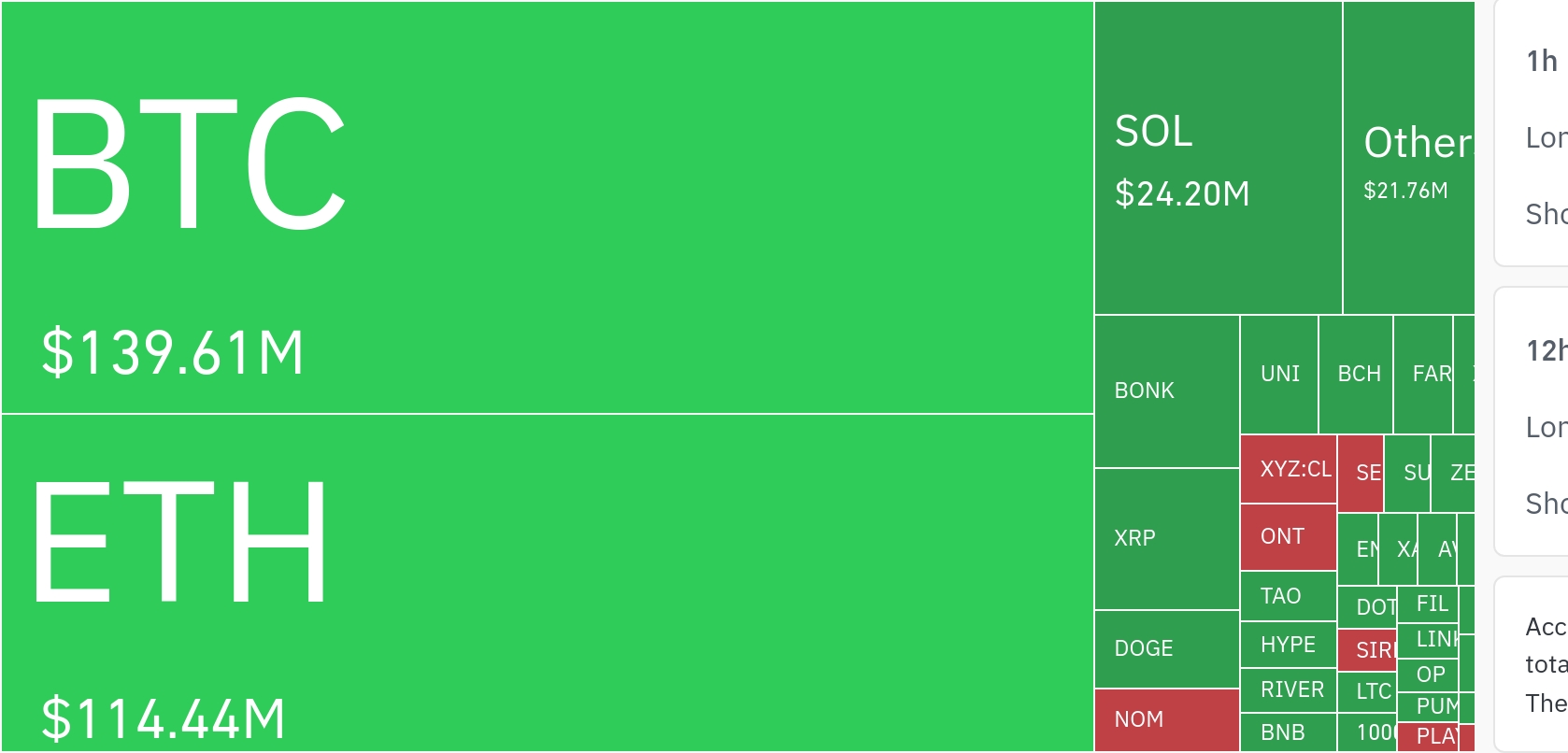
Adding to this shift, a recent wave of short liquidations has significantly altered market positioning. A concentrated cluster of bearish bets was forced out of the market, removing a substantial source of downward pressure. When short positions are wiped at scale, it often clears the way for price stabilization and the early stages of recovery.
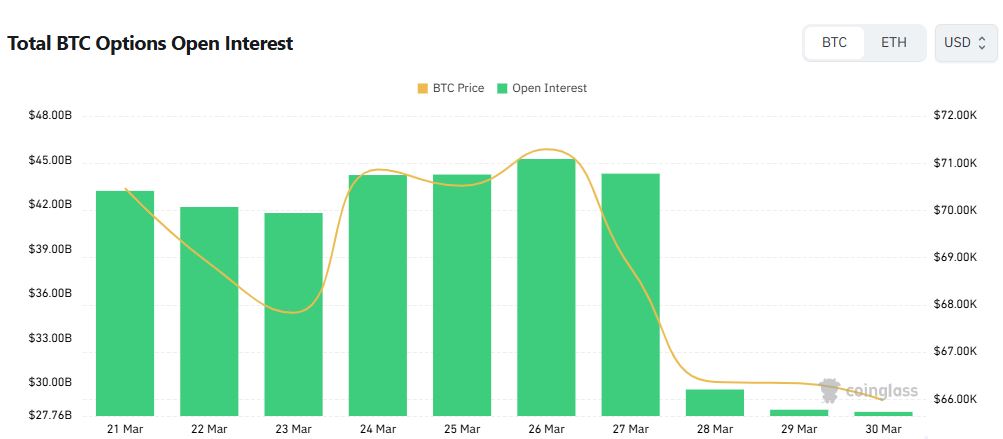
From a technical standpoint, Bitcoin is also attempting to break free from a descending price structure that has controlled movement for several weeks. Volatility is visibly compressing, particularly within the $66,000 to $68,000 range — a pattern that rarely sustains itself for long. Historically, periods of tight consolidation resolve with a decisive move, and given current conditions, an upside breakout appears increasingly probable.
Taken together, declining sell-side volume, cleared short interest, and technical compression all point in the same direction. While no single indicator guarantees a trend reversal, the convergence of these signals makes a strong case that Bitcoin's recovery could already be in its early stages, with broader confirmation potentially following in the near term.















Comment 0