

 News
News  Coin Information
  About us
  Customer Service




The Ethereum Foundation (EF) is facing intense scrutiny after announcing a nearly 40% budget reduction and laying off around 20% of its workforce. The move came just one day after the launch of EthLabs, a new Ethereum-focused research organization backed by major ecosystem participants, sparking widespread debate about Ethereum’s future.
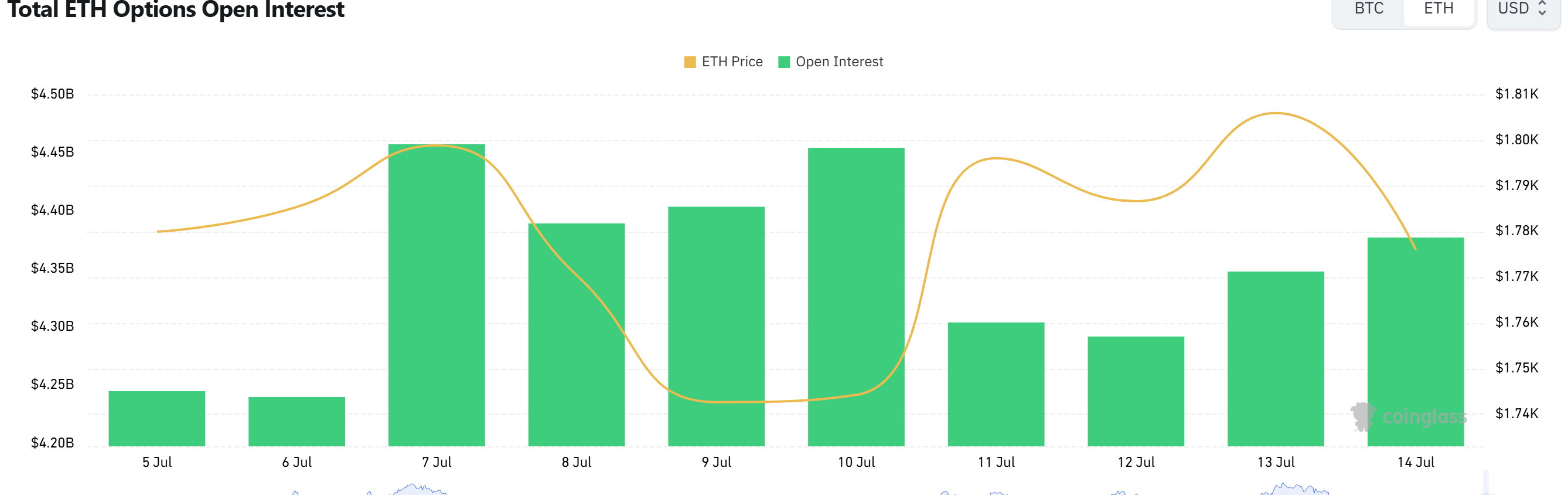
Some critics view the spending cuts as a sign of financial pressure within the Ethereum ecosystem. Industry observers on social media suggested that organizations typically reduce costs during challenging periods, raising concerns about the foundation’s long-term strategy. Others speculated that the decision could influence investor sentiment and potentially affect spot Ethereum ETF flows.
Ethereum is currently navigating growing competition from rival blockchain networks while seeking to benefit from rising institutional interest in stablecoins, tokenized assets, and onchain financial infrastructure. Despite concerns, many industry leaders see the recent developments as a positive step toward a stronger and more decentralized Ethereum ecosystem.
Joseph Chalom, CEO of SharpLink and a supporter of EthLabs, described the initiative as evidence of strong confidence in Ethereum’s future. According to Chalom, the rapid support from more than 50 ecosystem stakeholders highlights growing conviction that institutional capital is increasingly moving onchain.
Even Solana co-founder Anatoly Yakovenko expressed support for the Ethereum Foundation’s restructuring, arguing that leaner organizations often become more focused, efficient, and adaptable. Former Ethereum Foundation employee Hudson Jameson echoed that view, stating that the workforce reduction may help ensure the foundation’s long-term sustainability.
The launch of EthLabs also reflects a broader shift in Ethereum development. Rather than relying heavily on a single organization, research and innovation are increasingly distributed across independent groups. Ethereum co-founder Vitalik Buterin has emphasized that the foundation should be viewed as one participant within a much larger network rather than its central authority.
Consensys CEO Joe Lubin described this expanding ecosystem as “Metropolitan Ethereum,” a collection of independent organizations working toward shared goals. In his view, EthLabs represents another step toward a more decentralized, resilient, and institutionally mature Ethereum network.
Supporters believe that distributing responsibility across multiple organizations will strengthen Ethereum’s ability to innovate, maintain neutrality, and support the next wave of blockchain adoption. Rather than signaling weakness, they argue the Ethereum Foundation’s restructuring and the creation of EthLabs may mark the beginning of a more sustainable chapter for Ethereum.















Comment 0