

 News
News  Coin Information
  About us
  Customer Service



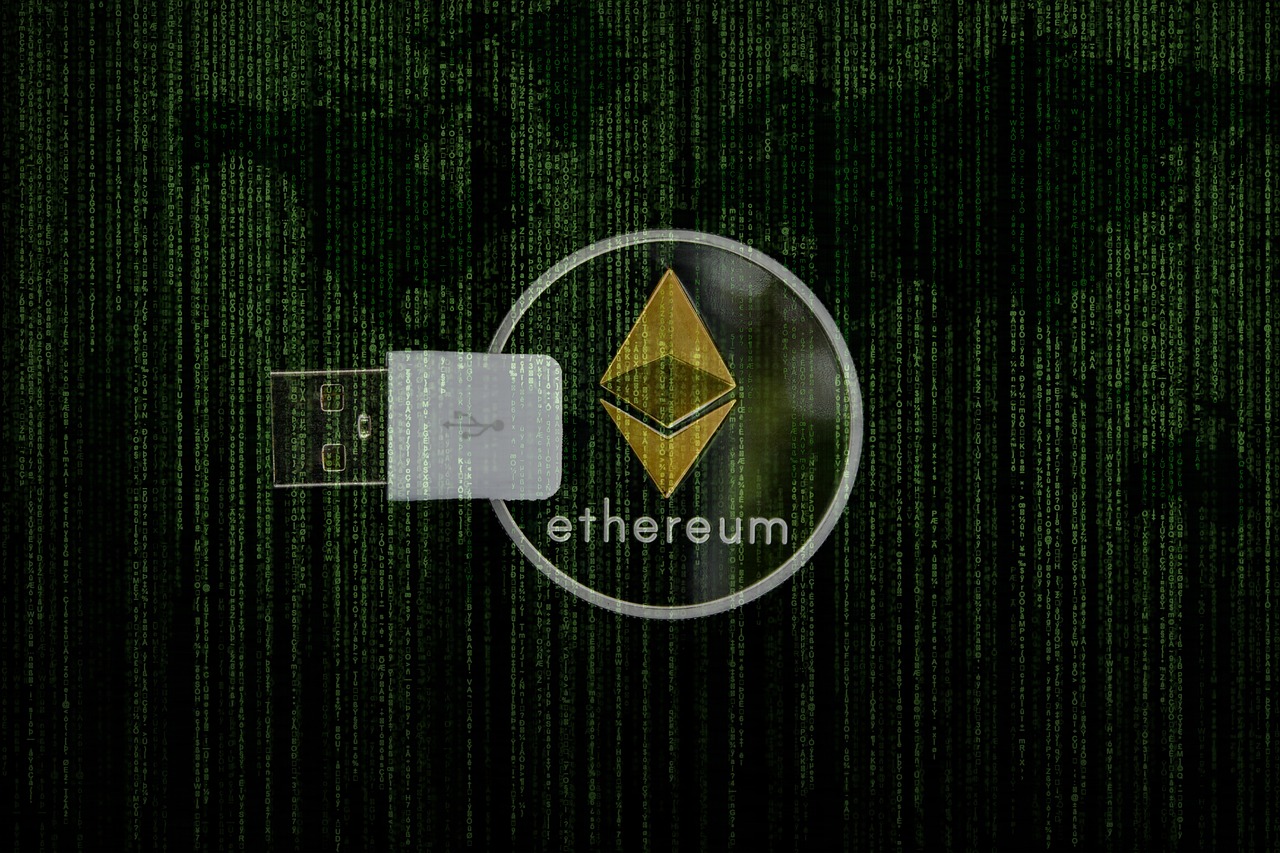
Ethereum co-founder Vitalik Buterin is turning his attention to one of the blockchain’s most overlooked yet critical pressure points: who decides which transactions are included in each block. In a recent blog post, Buterin outlined a series of proposals aimed at reducing the risk of centralization in Ethereum block building and strengthening censorship resistance as the network scales.
With Ethereum’s upcoming “Glamsterdam” upgrade set to formalize proposer-builder separation (PBS), validators will be able to outsource block construction to a competitive marketplace of builders. While this system is designed to increase efficiency, Buterin warns that it does not fully eliminate centralization risks. If a small group of block builders gains dominance, they could censor transactions or extract excessive profits through maximal extractable value (MEV).
To address this, Buterin introduced a proposal known as FOCIL (Fork-Choice Enforced Inclusion Lists). Under this design, a randomly selected committee would choose specific transactions that must be included in the next block. If a builder fails to include those transactions, the block would be rejected. This mechanism would serve as an anti-censorship safeguard, ensuring that even a dominant builder cannot permanently exclude certain users or transactions from the Ethereum network.
Buterin also highlighted concerns around “toxic MEV,” where traders exploit visibility into pending transactions to front-run or execute sandwich attacks. One potential solution involves encrypting transactions until they are finalized on-chain, preventing bad actors from viewing and manipulating them in advance.
Beyond block construction, he pointed to vulnerabilities at the networking layer, where intermediaries can observe transactions before they are included in a block. Anonymized routing systems could help mitigate these risks and enhance transaction privacy.
Looking ahead, Buterin envisions more distributed block-building models that reduce reliance on tightly ordered global coordination. As Ethereum continues to scale, he argues that decentralization challenges are shifting from validators to the infrastructure that ultimately determines which transactions make it on-chain.


















Comment 0