

 News
News  Coin Information
  About us
  Customer Service




Treasury Secretary Scott Bessent has reinforced the Trump administration’s pro-crypto agenda, declaring that the United States will not introduce a central bank digital currency (CBDC) while urging Congress to quickly pass the CLARITY Act, a key digital asset market reform bill.
During a White House briefing on May 28, 2026, Bessent said the administration has ruled out a U.S. CBDC over concerns about financial surveillance. “There will be no central bank digital currency,” Bessent said, adding that such a system could become “the first step toward tracking.” His remarks have recently gone viral across crypto communities after resurfacing on X.
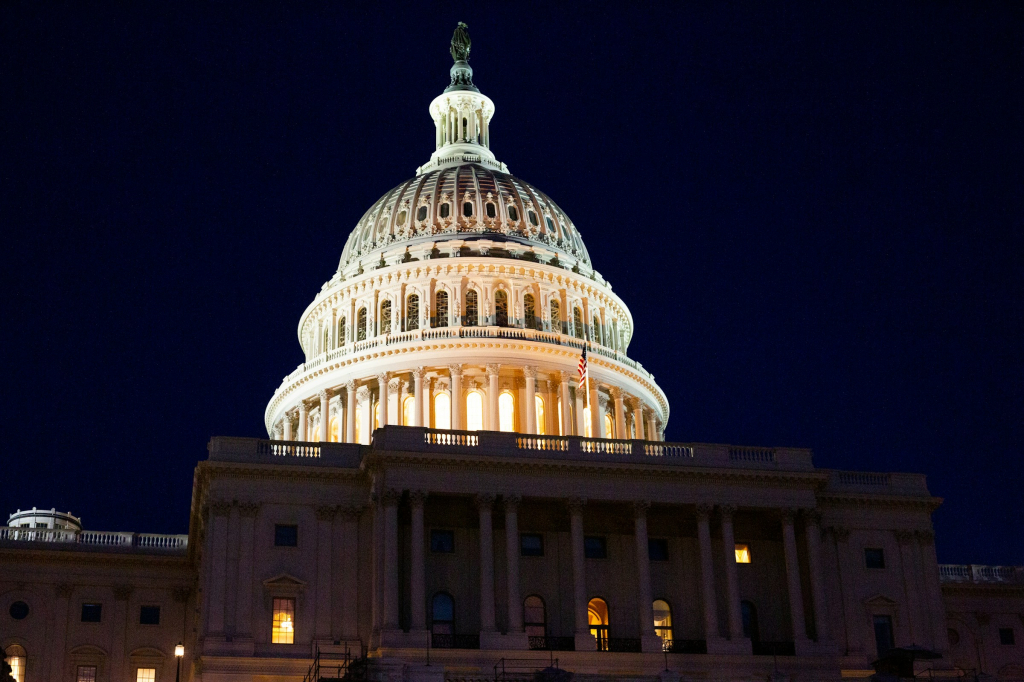
Bessent also renewed his call for lawmakers to advance the CLARITY Act, formally known as H.R. 3633 or the Digital Asset Market Clarity Act. The legislation passed the House in July 2025 with strong bipartisan support in a 294-134 vote. It cleared the Senate Banking Committee on May 14, 2026, by a 15-9 vote and now awaits consideration on the Senate calendar.
The Senate is scheduled to return on July 17, leaving lawmakers only a short window before the August recess. Industry observers view this period as the most realistic opportunity for the bill to pass in 2026, though it will require 60 votes to overcome the Senate filibuster.
Bessent’s comments come after previous discussions with lawmakers on the legislation and underscore the administration’s push to establish a clear regulatory framework for digital assets. The CLARITY Act follows the passage of the crypto-focused GENIUS Act in July 2025 and represents another major step in the administration’s broader digital asset strategy.
The administration’s rejection of a CBDC aligns with its emphasis on financial privacy and support for private-sector innovation. Instead of a government-issued digital dollar, officials have signaled support for private stablecoins and tokenized real-world assets as the foundation of the U.S. digital financial system.
If enacted, the CLARITY Act would provide long-awaited regulatory certainty for crypto exchanges, custodians, stablecoin issuers, and other digital asset businesses, potentially strengthening the United States’ position as a global hub for cryptocurrency innovation.















Comment 0