

 News
News  Coin Information
  About us
  Customer Service



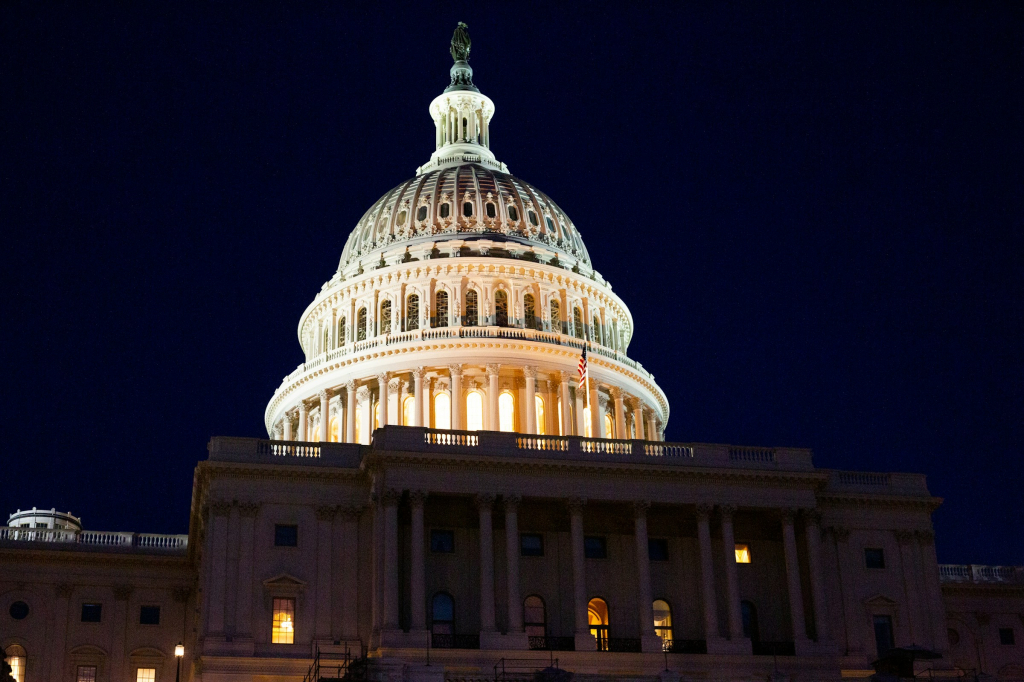
The cryptocurrency industry's political influence continues to expand as a new crypto-focused political action committee, Defend Developers PAC, officially joins the growing network of digital asset advocacy groups shaping U.S. elections ahead of the 2026 midterm cycle.
Founded by Gavin Zavatone, policy lead at the DeFi Education Fund, the newly launched PAC aims to support lawmakers who have consistently defended blockchain developers, decentralized finance (DeFi) innovators, and crypto technology creators. Unlike larger crypto political organizations that often target competitive races, Defend Developers PAC plans to focus on incumbent legislators who have already demonstrated support for policies protecting software developers and blockchain innovation.
According to Zavatone, the organization intends to raise and distribute more than six figures across dozens of congressional races during the upcoming election cycle. The goal is to strengthen political backing for crypto-friendly legislation and ensure that blockchain entrepreneurs have advocates in Washington.
Defend Developers PAC was federally registered in May and operates as a hybrid PAC. This structure allows it to make direct campaign contributions within Federal Election Commission limits while also funding independent political advertising through unlimited donations. The model differs from traditional super PACs, which can raise and spend unlimited funds but cannot contribute directly to candidates.
The PAC’s leadership includes representatives from prominent crypto organizations such as Uniswap Labs, the DeFi Education Fund, and the Solana Policy Institute. While the group has not yet disclosed funding totals, it emphasizes support from founders, executives, and builders across the blockchain industry.
Despite the launch, Defend Developers PAC enters a political landscape dominated by Fairshake, the largest crypto super PAC in the United States. Fairshake has spent tens of millions of dollars backing pro-crypto candidates and recently secured multiple primary-election victories, including several Democratic House candidates in California and New Jersey, as well as Republican Senator Mike Rounds of South Dakota.
Fairshake’s influence remains substantial, highlighted by its reported $6.5 million effort supporting the successful primary challenge against longtime crypto critic Al Green in Texas. However, the organization has also faced setbacks in certain races, demonstrating that political spending does not always guarantee victory.
With control of Congress potentially at stake in the November 2026 general election, crypto advocacy groups are expected to play an increasingly important role in shaping U.S. digital asset policy and the future of blockchain regulation.















Comment 0